 Add Row
  Add
Add 



Did you know that cities with high ADU adoption have seen up to a 15% decrease in local housing shortages? This startling statistic reveals just how impactful accessory dwelling unit benefits can be—for homeowners, families, and communities alike. Whether you’re hoping to generate extra income, accommodate family members, or be part of a broader solution to the housing crisis, understanding the potential of ADUs is a crucial step. In this comprehensive guide, we’ll explore the many ways accessory dwelling units are revolutionizing neighborhoods and reshaping homeownership.
"Did you know that cities with high ADU adoption have seen up to a 15% decrease in local housing shortages?"
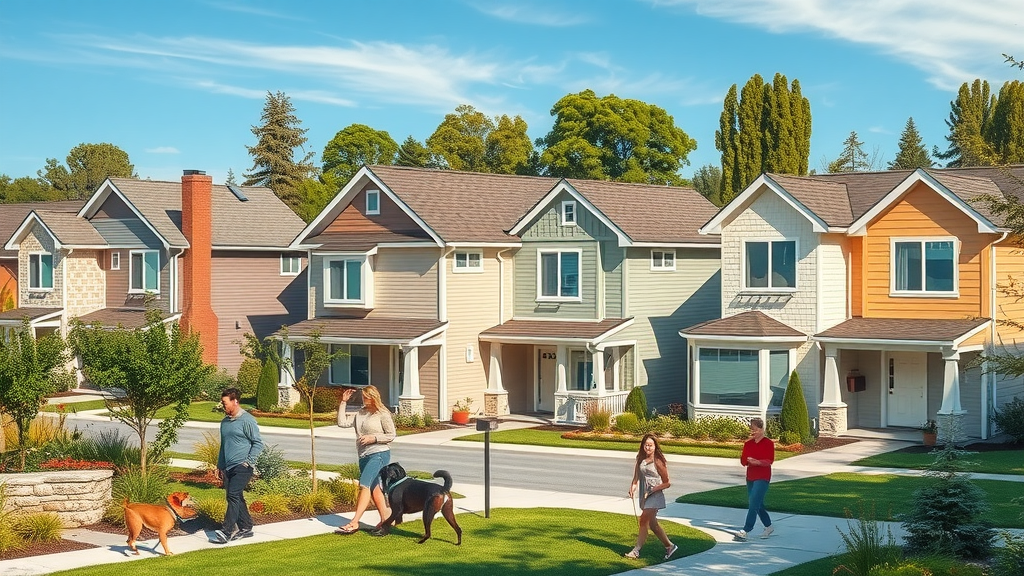
Startling Facts: Why Accessory Dwelling Unit Benefits Are Transforming Housing
Accessory dwelling unit benefits are making waves in today's real estate landscape for good reason. ADUs, or accessory dwelling units, are secondary housing options built on the same lot as a primary residence. Their rise has brought about remarkable transformations—not just in creating more living space and increasing housing options but also in driving positive financial and social impacts on homeowners and communities. With many cities relaxing regulations, more homeowners are tapping into the potential of adding an ADU on their property, whether as a source of extra income, a place for a family member, or as a response to the housing crisis.
Driven largely by changing demographics, rising housing costs, and a need for flexible living solutions, accessory dwelling unit benefits have become a key, strategic component of modern neighborhoods. The benefits extend beyond individual financial gains—ADUs offer much-needed affordable housing, support multi-generational living, and promote more sustainable and connected communities. If you're interested in leveraging these advantages, whether to build an ADU or simply better understand its value, now is the perfect time to learn more.
What You'll Learn About Accessory Dwelling Unit Benefits
- Comprehensive understanding of accessory dwelling unit benefits
- How to leverage ADUs for rental income and housing flexibility
- Financial, social, and lifestyle impacts of ADUs
- Best practices in building an ADU
Understanding Accessory Dwelling Unit Benefits: A Comprehensive Guide
What Are Accessory Dwelling Units (ADUs)?
Accessory dwelling units (ADUs) are compact, self-contained residential units located on the same property as a single-family home. Often called “granny flats” or “in-law suites,” ADUs offer complete living facilities—including kitchens, bathrooms, and a separate entrance. Building an ADU is an innovative way to maximize your property’s potential while addressing evolving needs for more living space and housing options. These structures can be used for extended family members, adult children, caregivers, or as rental units to provide extra income and help save money on housing costs.
Understanding accessory dwelling units means recognizing their adaptability. Their addition doesn’t just account for additional living space but can improve accessibility for aging relatives, increase property value, and offer sustainable housing solutions. The benefits of ADUs are wide-ranging, making them an attractive option for homeowners eager to elevate the functionality and value of their primary residence.
Brief History and Growth of Dwelling Units in Urban Areas
Over the last decade, cities across the United States have witnessed a surge in the popularity and acceptance of accessory dwelling units. Historically, small, secondary dwelling units have existed for centuries—often housing relatives or providing quarters for staff. In modern times, increasing housing demand, urbanization, and proactive policy changes have prompted a renaissance in dwelling units. Zoning reforms and state-level legislation, particularly in housing-strapped areas such as California and Oregon, have unleashed a new wave of build an ADU activity.
This growth is in direct response to changing socioeconomic conditions—soaring home prices, limited rental options, and shifting family dynamics. The result? More homeowners are seeking innovative solutions like ADUs to supplement their primary residence, offer greater housing flexibility, and alleviate strain on crowded urban markets. As the history of ADUs continues to evolve, their role in providing sustainable, long-term housing solutions becomes clearer with every year.

Different Types of Accessory Dwelling Units
Accessory dwelling units come in several styles, each tailored to property configuration, budget, and homeowner needs. Understanding the different types of ADUs is crucial when planning your project to ensure it delivers the benefits of ADUs suited for your lifestyle. Detached ADUs are stand-alone structures typically located in backyards, providing maximum privacy and independence for residents or renters. In contrast, attached ADUs share a wall with the primary home, often with a separate entrance, balancing privacy with accessibility.
Other common forms include garage conversions—where existing garages are transformed into livable units—and basement apartments, which make use of underutilized space below your main residence. Each ADU type brings its unique set of pros and cons related to permitting, construction, and usability. By exploring these different dwelling unit options, homeowners can make informed choices to best leverage the accessory dwelling unit benefits aligned with their objectives.
- Detached accessory dwelling units
- Attached accessory dwelling units
- Garage conversions
- Basement apartments
Financial Accessory Dwelling Unit Benefits: Rental Income and Property Value
Rental Income Potential from Building an ADU
A key reason homeowners opt to build an ADU is the attractive rental income potential. By adding a secondary dwelling unit on your property, you create an independent living space that can be leased to tenants, traveling professionals, or family members seeking privacy. In high-demand rental markets, ADUs can command impressive rents, making them a valuable source of income to offset mortgage payments, invest in property upgrades, or save money for the future.
"ADUs can increase property income by up to $18,000 annually in high-demand markets."rental market return on investment extra income potential buyers

Increased Property Value Through Accessory Dwelling Units
Adding an accessory dwelling unit often boosts your home’s appraised value. Because these units provide additional living space and future income potential, real estate data consistently shows homes with ADUs see higher sales prices compared to similar properties without them. This boost goes beyond just market appeal; banks and appraisers are increasingly recognizing the increased property value associated with well-designed ADUs.
For many homeowners, this appreciation acts as a financial safety net or retirement strategy. When weighing the pros and cons, it’s important to factor in local tax changes and market trends. Nonetheless, investing in an ADU can transform your home into a more versatile, competitive asset for years to come, delivering both peace of mind and economic stability.
| Cost to Build ADU | Potential Increase in Property Value | Annual Rental Income Potential |
|---|---|---|
| $100,000–$250,000 | $125,000–$350,000 | $12,000–$24,000 |
Social and Family-Oriented Accessory Dwelling Unit Benefits
Housing Family Members: Multi-Generational Living
One of the most meaningful benefits of ADUs is the ability to comfortably house family members of all ages. Whether you’re looking to provide privacy for adult children returning home, secure a nearby safe haven for elderly parents, or simply foster stronger family bonds, ADUs offer a flexible solution. Their separate, self-contained nature allows loved ones to maintain independence while remaining closely connected for support and caregiving.
In times when rising rents and home prices make independent housing unattainable for many, multi-generational living is experiencing a resurgence. Adding an ADU on your property can be a compassionate, cost-effective choice, enabling generations to coexist without sacrificing comfort or privacy.
Supporting Aging Family Members with Dwelling Units
ADUs are an ideal alternative to expensive retirement communities or long-term care facilities. For families with aging relatives, intentionally designed accessory dwelling units can facilitate aging in place—promoting autonomy, dignity, and safety for loved ones. Features like step-free entrances, accessible bathrooms, and smart home technology create environments where seniors thrive.
This arrangement doesn’t just maintain family closeness; it reduces emotional and financial burdens while preserving cherished routines. By making it possible to care for elderly family members at home, ADUs add priceless value to your living situation and strengthen intergenerational ties.

Helping Family Members Achieve Independent Living
Beyond support for the elderly, accessory dwelling units create safe, affordable spaces for adult children, college students, or relatives facing housing challenges. With the flexibility to adjust as needs evolve, an ADU can become a launching pad for young adults gaining financial independence or a shelter for family members in times of transition.
This ability to provide practical, compassionate solutions during life’s pivotal moments is a key reason why so many homeowners choose to build an ADU. Not only does it enhance your family’s quality of life, but it positions your home as a supportive, adaptable base for generations to come.
Accessory Dwelling Unit Benefits for Addressing the Housing Crisis
Affordable Housing Solutions with ADUs
As housing costs soar and affordable housing becomes more scarce, ADUs have emerged as a critical tool for addressing the shortage. Their compact size and streamlined construction often mean lower costs per unit, making them a practical, scalable housing solution for both homeowners and renters. Cities experiencing a housing crisis are increasingly encouraging ADU development to expand rental markets and help low- to moderate-income individuals find stable, affordable places to live.
For homeowners, this presents an opportunity to be part of a larger community effort to combat housing instability—while also tapping into extra income. For renters, these units unlock new possibilities to find quality living arrangements in established neighborhoods.
Impact of Accessory Dwelling Units on Local Rental Markets
The introduction of ADUs often injects much-needed supply into overheated rental markets. By allowing more people to live in high-demand areas without requiring costly new developments, ADUs help stabilize rents and support diverse, inclusive communities. Homeowners gain from having a wider pool of potential buyers if they choose to sell, thanks to heightened property desirability.
"Accessory dwelling units have increased rental options for low-income tenants in urban neighborhoods."dwelling units
Lifestyle and Flexibility: Exploring More Accessory Dwelling Unit Benefits
Home Offices and Workspaces in Accessory Dwelling Units
The shift toward remote work and home-based businesses has elevated the demand for dedicated, distraction-free work environments. Accessory dwelling units are ideal for creating a spacious, private home office or studio, far removed from the main household’s day-to-day bustle. A well-designed ADU offers amenities like ample lighting, quiet surroundings, and WIFI connectivity—transforming it into a productivity powerhouse.
For freelancers, entrepreneurs, or those needing a flexible living space that doubles as a work area, an ADU’s adaptability is unmatched. This modern approach can also save money on traditional office leases while adding to your property’s long-term value.

Short-Term Rental Market Opportunities
In addition to long-term leases, homeowners can capitalize on ADUs through short-term rental platforms like Airbnb or Vrbo. These accessory dwelling units cater to travelers seeking authentic, comfortable accommodations in residential neighborhoods. Short-term rental income can ebb and flow with seasonal demand, but for many, it provides impressive flexibility and supplementary source of income.
By offering travelers a complete, self-contained space, ADUs can outperform traditional spare bedrooms and unlock far greater rental income potential. Just be sure to keep up with evolving local rental regulations to maximize returns with confidence.
Flexible Use Cases for Accessory Dwelling Units
The true magic of accessory dwelling units lies in their versatility. Beyond serving as living quarters or home offices, ADUs are easily converted to fit a wide range of needs—making them a future-proof investment. As life circumstances change and your family grows, ADUs adapt seamlessly to deliver value where you need it most.
- Guest accommodation
- Home gyms
- Art studios
- Caregiver suites
This flexibility ensures that an ADU on your property remains a useful, cherished asset for many years, matching evolving priorities and maximizing your options.
Environmental and Long-Term Accessory Dwelling Unit Benefits
Sustainable Living with Accessory Dwelling Units
ADUs are more than just practical—they’re also key contributions to sustainability. Smaller, efficient spaces naturally require fewer building materials and resources than traditional homes. Many accessory dwelling units incorporate eco-friendly design principles: solar panels, energy-efficient windows, green roofs, and passive climate control systems. These features help homeowners save money on energy costs while reducing environmental impact.
As cities encourage more sustainable urban growth, ADUs become champions of green living, supporting reduced emissions, smarter land use, and a lighter carbon footprint overall. Their compact footprints and streamlined systems make them a cornerstone of eco-conscious housing options.

Reduced Urban Sprawl with Dwelling Units
By adding density within existing neighborhoods rather than expanding outward, ADUs offer a powerful solution to urban sprawl. Their placement in backyards and underutilized spaces enables cities to accommodate more residents without sacrificing greenfield land or increasing infrastructure burdens.
This smarter density approach means more people can enjoy well-established communities, access public transit, and remain close to jobs, schools, and amenities—all while preserving open space and natural resources.
Energy Efficiency Advances in New Accessory Dwelling Units
Many of today’s accessory dwelling units are built to stringent energy codes, integrating insulated envelopes, low-water fixtures, advanced heat pumps, and smart automation. This dedication to performance not only ensures comfort and lower utility bills but also enhances the long-term financial benefits for homeowners. Green certifications or energy-efficient upgrades can further increase increased property value and market appeal.
Sustainable ADUs prove that environmental stewardship and economic gain can go hand in hand, aligning the interests of homeowners and communities for a brighter, greener future.
Challenges and Considerations: Pros and Cons of Accessory Dwelling Unit Benefits
Potential Drawbacks of Building an ADU
While accessory dwelling unit benefits are significant, there are several important considerations. Construction costs, site limitations, and possible increases in property taxes or insurance premiums must be weighed when evaluating an ADU on your property. For some, navigating architectural, design, and approval hurdles can be daunting. Additionally, managing tenants or short-term rentals demands extra time and attention.
Carefully balancing these pros and cons helps avoid unexpected challenges and ensures your ADU investment aligns with personal, financial, and community goals.
Navigating Local Regulations for Accessory Dwelling Units
A major challenge for many homeowners is understanding and complying with local zoning laws. ADU-friendly policies have expanded, but requirements can vary widely—even between neighboring cities. Regulations often dictate allowable size, setbacks, parking, and even who can live in the new dwelling unit.
Working with experienced architects or ADU consultants can streamline the process, helping you efficiently secure all required permits, inspections, and compliance documents. Staying up to date with policy changes ensures you can take full advantage of evolving opportunities in your real estate market.
Balancing Pros and Cons for Your Property
Ultimately, the decision to build an ADU is highly personal and property-specific. Careful planning, thorough research, and consultation with local professionals will maximize the benefits of ADUs while navigating any challenges. For many, the long-term rewards—including rental income, increased property value, and improved family well-being—far outweigh the hurdles.
"While ADUs bring numerous benefits, zoning restrictions can be a significant hurdle for homeowners."
Steps to Build an ADU and Maximize Accessory Dwelling Unit Benefits
Planning, Permitting, and Design for Building an ADU
Launching an ADU project starts with planning. Assess your property’s suitability by reviewing size, access, and infrastructure. Next comes understanding local municipal codes—setbacks, maximum sizes, parking, and occupancy. Design is where creativity and compliance meet: plan an ADU that complements your primary residence, fits your family’s needs, and meets all regulatory requirements.
Being thorough with your design and paperwork up front can help you avoid expensive surprises. Work with an architect or design-build contractor experienced in ADU projects to streamline the process and ensure you’re maximizing all possible accessory dwelling unit benefits.
Selecting the Right Contractor for Your Dwelling Unit
The right contractor will make or break your ADU experience. Prioritize licensed professionals with proven records in constructing accessory dwelling units and navigating local permitting. Gather multiple bids, check references, and ask detailed questions about timelines, warranties, and project management. Open lines of communication are crucial for a smooth build and a high-quality finished product.
Remember, you’re not just constructing an addition—you’re investing in an asset that pays dividends for years to come.
Checklist: How to Build an ADU Smoothly
- Assess your property’s suitability for an ADU
- Understand municipal codes and requirements
- Set a realistic budget for ADU construction
- Hire a qualified ADU builder
- Complete required permits and inspections
A dynamic walkthrough of various ADU projects, showcasing different styles, family interactions, and construction stages with expert voiceover explaining benefits and value.
People Also Ask
What are the benefits of having an ADUs?
Answer: ADUs provide additional living space, rental income potential, flexible use cases, and can support multigenerational living. They offer sustainable housing solutions and can increase property value for homeowners.
What is the $40,000 grant in California for ADUs?
Answer: The $40,000 grant in California is a state program designed to help homeowners with upfront costs for building an accessory dwelling unit, promoting affordable housing and increasing ADU adoption.
What's one drawback of an ADU?
Answer: One drawback of an ADU is navigating complex local regulations and the potential for increased property taxes or utility costs.
Are ADUs worth the investment?
Answer: For many homeowners, ADUs are worth the investment due to increased property value, rental income, and flexible living options, though financial and regulatory factors must be considered.
Frequently Asked Questions About Accessory Dwelling Unit Benefits
- How long does it take to build an ADU?
- What financing options are available for accessory dwelling units?
- Can accessory dwelling units be sold separately from the main property?
Key Takeaways: Why Accessory Dwelling Unit Benefits Matter Today
- Accessory dwelling units offer substantial financial, social, and environmental benefits.
- ADUs help address the housing crisis by increasing affordable rental options.
- The flexibility of accessory dwelling units allows homeowners to adapt to changing family and economic needs.
- Potential challenges include local regulations and initial construction costs.
Conclusion: The Lasting Value of Accessory Dwelling Unit Benefits
Accessory dwelling unit benefits stand at the forefront of innovative, sustainable, and flexible housing—empowering homeowners, supporting families, and addressing today’s housing challenges.




Write A Comment