 Add Row
  Add
Add 



Did you know that over 180 new housing laws were passed in California in 2023, reshaping property rights and development for millions of homeowners? The landscape of California housing law is undergoing its most dramatic transformation in decades—offering both exciting opportunities and complex challenges for current and prospective property owners alike. Whether you’re a homeowner uncertain about your rights or someone eager to take advantage of new development incentives, understanding the latest California housing law reforms 2023 is essential for safeguarding your investment and planning your next move.

A New Era for Homeowners: Why California Housing Law Reforms 2023 Matter
"Did you know that over 180 new housing laws were passed in California in 2023, reshaping property rights and development for millions of homeowners?"
The California housing law reforms 2023 signal a new era for anyone who owns residential property in the Golden State. These changes aren’t just minor adjustments—legislators and policymakers have tackled everything from zoning and accessory dwelling unit (ADU) rules to affordable housing mandates and enforcement powers under the Housing Accountability Act. Whether you are in urban Los Angeles, suburban Orange County, or somewhere in between, the latest housing laws mean that how you use, develop, or sell your property is likely to change.
For homeowners, this transformative legislative session means potential for higher property values, easier permitting for additional units, and a more favorable environment for building or improving housing. At the same time, these reforms promise greater housing production, improved access to affordable housing, and less bureaucratic red tape—if, that is, local governments genuinely embrace the state’s bold vision. But underneath the optimism, there’s uncertainty about compliance, local pushback, and unforeseen risks. This article will break down what these laws mean for you, how to capitalize on them, and what pitfalls to watch out for—all from the owner’s perspective.
What You’ll Learn About California Housing Law Reforms 2023
- Understanding the major changes in California housing laws 2023
- Implications for property owners, developers, and tenants
- Expert opinions and the political context, including Governor Newsom’s priorities
- How to leverage new housing development opportunities and housing accountability

California Housing Law Reforms 2023: Key Points in Context
- Defining housing law and housing laws post-2023
- Overview of the most influential affordable housing, housing development, and dwelling unit reforms
- Role of the Housing Accountability Act and new accountability act changes

Governor Newsom’s Vision: Politics and Driving Forces in California Housing Law Reforms 2023
"Governor Newsom championed landmark housing laws in 2023 aimed at boosting housing production and holding cities accountable."
At the heart of the California housing law reforms 2023 is the determination of Governor Newsom to address the state’s well-documented housing crisis. This year, Governor Newsom leveraged political capital to support major changes, from expedient ADU approvals to strict accountability measures for local governments. Spearheaded by priorities to reduce homelessness and create more affordable housing, Newsom’s administration brought both carrots (incentives for developers) and sticks (tougher enforcement against resistant cities and counties).
Politically, these sweeping reforms reflect bipartisan acknowledgement that the old approach—piecemeal zoning rules, inconsistent affordable housing requirements, and weak state oversight—was failing California’s families. The message: it’s time to build more, build smarter, and ensure every municipality pulls its weight. Yet, passing these reforms doesn’t mean implementation will be smooth. Local governments, advocacy groups, and property owner associations continue to lobby for control, raising questions about how quickly benefits will reach individual owners, especially given the state’s history of slow housing element approvals and delayed project rollouts.
| Law/Policy | Effective Date | Primary Impact |
|---|---|---|
| ADU Streamlining (SB 897) | Jan 1, 2023 | Faster permitting for accessory dwelling units, increased density |
| Accountability Act Enhancements (AB 2234) | Jul 1, 2023 | Stronger enforcement for local governments not meeting housing targets |
| Affordable Housing Tax Credits Expansion | Jan 1, 2023 | More tax credits for low-income and senior units statewide |
| Affordable Housing Streamlining (SB 35 Update) | Jan 1, 2023 | Faster approval for affordable housing projects with minimal local review |
| Status of SB-9 | Ongoing | Parcel splits and denser housing development in single-family zones |
Affordable Housing in California: What’s Changing in 2023?
New initiatives for affordable housing under California housing law reforms 2023
2023 is a watershed year for affordable housing in California. The state’s policymakers, recognizing years of underproduction, introduced reforms to push the needle on affordable housing delivery. These include expanded tax credits, incentives for housing and community development, and a pressing focus on integrating affordable housing into every new residential project. For owners and developers, this means not only more potential access to state-backed funding and simplified regulatory pathways but also heightened responsibilities to meet affordability requirements and to balance local preferences with statewide mandates.
These reforms don’t operate in a vacuum: they’re intertwined with requirements for local governments to update their housing elements to reflect realistic production of affordable units. This is especially crucial as the cost of living continues to climb and the gap between luxury and workforce housing widens. The challenge now lies in how cities and counties respond—will new laws genuinely lower barriers to development, or will new obstacles emerge as stakeholders adjust to an unfamiliar regulatory landscape?
Expansion of accessory dwelling units and impact on affordable housing
"Accessory dwelling units (ADUs) can be a game changer for affordability, but only if local governments act in good faith."
Perhaps the most dramatic shift of the California housing law reforms 2023 is around accessory dwelling units (ADUs) and their role in the next chapter of affordable housing. State law now requires cities and counties to cut red tape, lower impact fees, and expedite permits for ADUs—including both attached and detached units. For homeowners, this opens new possibilities: turning a garage into a rental, adding a backyard cottage for extended family, or even creating new streams of rental income.
However, the effectiveness of these reforms often depends on local administration. While the state sets the framework, real implementation happens at the municipal level. Enthusiastic adoption can result in an affordable housing boom; foot-dragging or restrictive interpretation by local officials could leave potential locked up for years more. For now, the momentum is on the side of change, and property owners who act quickly could see some of the biggest gains.

Housing Development Expansion: Innovative Approaches in California Housing Law Reforms 2023
Streamlined processes for housing production and housing development
The push for enhanced housing production is at the core of the 2023 reforms, with legislators removing notorious bottlenecks in the permitting and approval process. Key changes include stringent deadlines for reviewing housing project applications, a “deemed approved” status for projects after statutory deadlines, and the right of developers to bypass certain local impact fees under specific conditions.
These streamlined pathways reflect a growing recognition that regulatory bloat has stifled new housing for decades—especially multi-family and affordable projects. For anyone planning to build or expand, understanding these processes is critical. Owners and developers who align with updated local housing elements stand the best chance at fast-tracked approval, reduced costs, and even bonus density provisions. The reforms also demand that local governments avoid delaying projects with unwarranted discretionary measures, pushing instead for clear, transparent, and swift procedures that can finally bridge California’s housing gap.

Incentives and support for multi-family dwelling units and accessory dwelling unit policies
2023’s housing law reforms introduce robust incentives for both multi-family dwelling units and accessory dwelling units. For multi-family developments, owners can tap into expanded tax credits, reduced impact fees, and tailored grants for projects located near transit or in low-income areas. The intent is clear: make it both profitable and practical to build at scale, especially in cities that have historically resisted densification.
Furthermore, accessory dwelling units are now poised to serve as an essential link in the affordable housing chain. New policies favor minimal parking requirements, objective local standards, and no more owner-occupancy mandates, making ADU development easier and more attractive. This can translate into a significant increase in rental stock for homeowners—and, if well-implemented, could soften rents and increase mobility for tenants statewide.
San Francisco’s unique approach to implementing new housing laws
No discussion of California housing law reforms 2023 is complete without spotlighting San Francisco, a city long famous for both its housing crunch and its creative (sometimes controversial) approaches to housing law. In 2023, San Francisco adopted bespoke implementation policies, crafting incentives and pilot programs to meet state goals without undermining local character. Notable is the city’s streamlined process for ADU permit approvals, the leveraging of state housing element requirements, and targeted funding for affordable housing construction in high-impact neighborhoods.
Homeowners in San Francisco should pay close attention: while opportunities abound for those willing to navigate the evolving regulatory framework, challenges remain in ensuring that local interpretations of state law do not undercut the spirit of reform. As with the rest of the state, adaptation—and proactive engagement—will be key to reaping the benefits of these new laws.
Housing Accountability and the Housing Accountability Act: Real Power or Rhetoric?
How the Housing Accountability Act strengthens enforcement
The Housing Accountability Act (HAA) has long existed, but the 2023 reforms turbocharge its enforcement power. Previously, local governments could stall or deny projects—many of them affordable housing or multi-family dwelling units—with little real accountability. Now, under updated rules, the state has sharper teeth: clear-cut deadlines, fewer loopholes for denial, and the ability for courts to fine and penalize cities that don’t hit their housing targets.
Developers and property owners now have a much stronger hand when confronting recalcitrant localities. With support from the state’s Department of Housing and Community Development, as well as new legal tools, project backers can challenge denials, require prompt hearings, and, in select cases, bypass restrictive local zoning. The big takeaway? For the first time, “no” may simply not be an option if a project meets statutory requirements—ushering in an era where housing accountability finally has real substance.
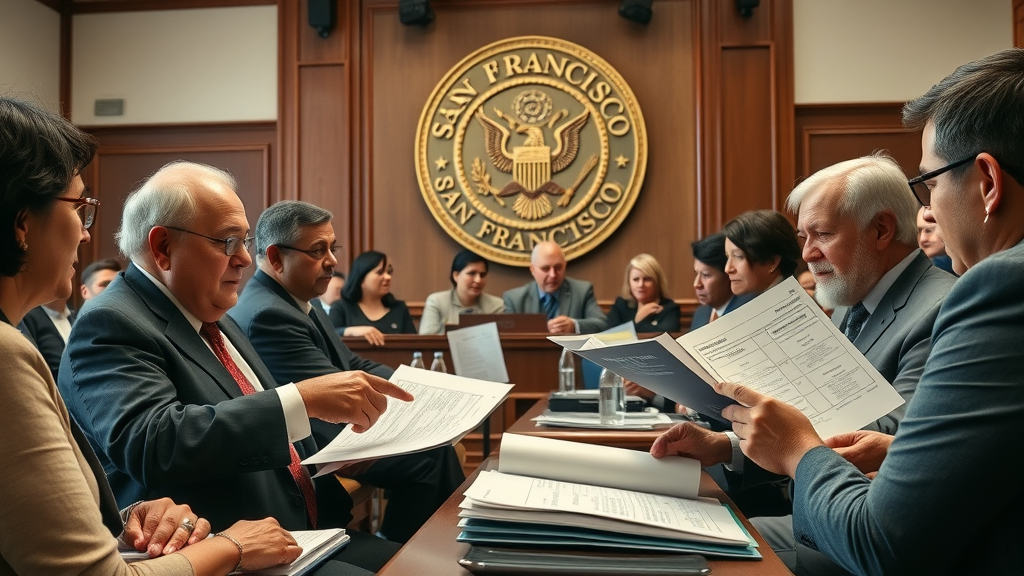
The accountability act in practice: Wins and challenges for homeowners
"The 2023 reforms push for unprecedented housing accountability, but will local governments adapt or resist?"
On paper, the updated Housing Accountability Act delivers big wins for homeowners and developers eager to build or remodel. It restricts unjustified delays and denials—and provides recourse for those facing resistance from local governments. However, navigating the intersection of state statutes, local ordinances, and neighborhood opposition can still be tricky.
For homeowners, leveraging these powers often means legal complexity and a willingness to challenge city hall. Not every city will comply immediately or gladly—some may attempt to reinterpret rules, revise local codes, or simply slow-walk applications. That’s why staying informed and, when necessary, engaging experienced legal counsel is more crucial than ever. As the reforms mature, more homeowners are expected to assert their rights, setting important precedents for statewide housing accountability.
The Owner’s Perspective: Opportunities, Risks, and Uncertainties in California Housing Law Reforms 2023
Risks for current and prospective property owners

While California housing law reforms 2023 usher in new opportunities, they are not without risks. The positives—streamlined permitting, ADU expansion, and new housing development incentives—are paired with potential exposure to regulatory changes, tax consequences, and conflicts with HOAs or local ordinances. For current owners, increased neighborhood density could mean lifestyle shifts, while property values might fluctuate as affordable housing projects or multi-unit conversions gradually alter community character.
Prospective owners must also consider the evolving landscape: areas that were “safe bets” for detached single-family value appreciation may now be targeted for zoning upshifts or affordable housing overlays. Those engaged in new construction or ADU projects should closely monitor updates from their city planning department and be ready for late-stage changes in compliance requirements. Staying nimble—and well-advised—is essential in this time of rapid transformation.
Leveraging ADUs, accessory dwelling units, and new zoning flexibility
If there is one area where property owners can make significant gains, it’s by leveraging the fresh wave of accessory dwelling unit and densification reforms. ADUs unlock rental income potential, allow families to house relatives affordably, and create value-boosting flexibility for owners thinking long-term.
Equally important, new zoning rules permit the transformation of previously “single-family only” parcels into small multi-unit projects in many neighborhoods. For anyone looking to maximize property utility, these new policies—coupled with incentive grants, reduced impact fees, and favorable state law backing—are a genuine game-changer.
Accessory dwelling: Maximizing property value under new laws
Accessory dwelling units have become more than just a niche option—they’re now among the most attractive features for future-oriented homes in California. Under the updated legal regime, adding an ADU can not only provide much-needed rental income or space for loved ones but can also boost the long-term resale value and appeal of your property. Many buyers and renters are now seeking homes with existing or permitted ADUs, aware that increased density is both legal and encouraged.
Navigating compliance and potential pushback from HOAs and local authorities
Despite broad state support, homeowners looking to capitalize on new opportunities should prepare for friction with HOAs, neighbors, or city officials. Some neighborhood associations may resist changes, invoking their own rules or challenging state laws. Likewise, some cities may still find ways to slow-walk permits or invoke technicalities to frustrate ADU or development projects. Vigilance, understanding updated local processes, and (when necessary) seeking expert counsel will be vital to turning legal reforms into actual property gains.
Lists: Practical Tips for Navigating California Housing Law Reforms 2023
- Consult with local planning departments for up-to-date requirements on permits, impact fees, and project eligibility.
- Explore grants and incentives specific to affordable housing and housing development.
- Connect with attorneys who specialize in California housing laws if you face complex or adversarial issues.
- Keep abreast of advocacy and legal challenges—especially from cities like San Francisco, which often set implementation trends.

People Also Ask: Unpacking Popular Queries on California Housing Law Reforms 2023
What are the new housing laws in California 2023?
A detailed look at housing law reforms, including significant affordable housing and development mandates passed in 2023.
California housing law reforms 2023 introduced sweeping changes: streamlined ADU approval, toughened accountability for cities failing to build enough homes, increased affordable housing mandates, and clarified state preemption over restrictive local ordinances. Core laws include SB 897 for ADU streamlining, AB 2234 for accountability act enforcement, and major tax credits expansions. Most notably, the new laws limit how much local governments can stall projects or levy impact fees, targeting faster, fairer housing production statewide.

What are the new housing laws in California 2025?
Preview of expected policy directions for affordable housing, housing development, and the accountability act post-2023.
Though the full text of 2025 laws is still developing, early drafts and policy memos suggest even stronger enforcement mechanisms, more resources for affordable housing developers, and additional streamlining for multi-family housing projects. Watch for further requirements on local housing elements and possibly a new round of incentives aimed at both rental and homeownership opportunities statewide. These trends indicate that the state is unlikely to slow its aggressive pursuit of housing production and accountability in the near future.
What is the new law for Section 8 housing in California?
Explanation of updates to Section 8 protections under California’s evolving housing law structure.
Recent developments in California housing law reinforce and expand Section 8 protections, ensuring that property owners cannot discriminate against voucher holders. The updated rules also streamline local compliance, clarify eligibility standards, and align housing authority oversight with state mandates on affordable housing expansion. This is aimed at making rental assistance a more robust, less stigmatized part of the rental market, while further tightening accountability for both landlords and local governments.
Did California SB-9 pass?
Background and consequences of SB-9, and its interplay with current housing law reforms 2023.
Yes, SB-9 passed previously and its effects intensify under the 2023 reforms. This law allows for the subdivision of single-family lots and development of up to four units per parcel—making it a linchpin for densification efforts. Its interaction with new ADU and accountability rules means even greater flexibility for property owners, but also complex coordination across state, county, and HOA requirements when planning projects.

FAQs: Fast Answers on California Housing Law Reforms 2023
-
How does the housing accountability act affect developments on single-family lots?
The act now provides strong legal backing for homeowners and developers seeking to add ADUs or split lots. Projects meeting objective standards cannot be denied arbitrarily by local governments, ensuring a faster path to approval for many single-family properties. Expect less room for bureaucratic delay and more certainty in planning. -
Can renters benefit from new accessory dwelling unit provisions in housing laws?
Absolutely. Expanded ADU rules are set to boost rental supply, especially in lower-density neighborhoods, which may help moderate rents and provide diverse housing choices for renters. In some cases, ADUs may qualify specifically as affordable units, expanding access for voucher holders and moderate-income households. -
What should I watch for in state versus local policy conflicts on housing development?
Stay alert to conflicts between new state housing elements and local ordinances or HOA rules. While state law generally overrides, implementation hiccups are likely. Reviewing city planning agendas and connecting with specialized zoning attorneys can help you anticipate and navigate disputes efficiently. -
Does affordable housing expansion affect my neighborhood zoning?
Yes. The 2023 reforms incentivize re-zoning and densification in traditionally single-family neighborhoods, often introducing affordable or multi-family units. This can alter local demographics, density, and amenities—so monitoring local plans and advocating for balanced growth is key.
Key Takeaways: California Housing Law Reforms 2023

- California housing law reforms 2023 signal profound change for property owners and renters.
- Affordable housing and housing development are front and center in legislative priorities.
- Governor Newsom’s administration is actively reshaping accountability and production metrics.
- Owners can benefit by understanding new accessory dwelling unit rules and housing accountability protocols.
Conclusion: Is 2023 the Year California Finally Solves Its Housing Crisis?
"California housing law reforms 2023 are the most ambitious in recent memory – the question remains, will results match the rhetoric?"
The transformative changes of 2023 are a bold bet on California’s future, but their true impact will depend on how well local governments, homeowners, and the community-at-large embrace both the spirit and the letter of the law.
Take Action: Navigate California Housing Law Reforms 2023 with Expert Guidance
- For tailored advice and construction solutions, you can reach out to U.S. Accurate Construction at (925) 385-7099




Write A Comment