 Add Row
  Add
Add 



Did you know? In early 2023, over 60% of California homeowners became eligible for faster, easier ADU approvals—shattering the status quo for property improvements. If you’ve ever thought about adding an accessory dwelling unit, the recent impact of 2023 ADU law changes on homeowners is nothing short of transformative. This article dives deep into these sweeping changes, what they mean for your property rights, and how to confidently navigate the new landscape.

Startling ADU Law Facts: The 2023 Watershed Moment for Homeowners
The 2023 ADU law has marked a pivotal moment for property owners across California. Gone are the years of labyrinthine approval processes and restrictive city standards. With ground-breaking updates, the state has made owning, building, and legalizing accessory dwelling units (ADUs) more accessible than ever before. For many homeowners, these changes could dramatically increase property value and expand housing choices—if you act swiftly and stay compliant.
These shifts in adu laws in California mean that hesitation or lack of awareness could cost you real opportunities, whether you’re looking to create rental income, house family members, or boost your real estate’s future resale value. Understanding the impact of 2023 ADU law changes on homeowners isn’t just for the ambitious—it’s essential for anyone seeking to optimize their property use and avoid costly mistakes. Let’s look at exactly what these laws mean for you.
What You’ll Learn About the Impact of 2023 ADU Law Changes on Homeowners
- How recent ADU law changes affect property rights and development
- New compliance requirements for accessory dwelling units
- Implications for unpermitted ADUs and construction standards
- How to maximize benefits from updated accessory dwelling unit regulations
Understanding the 2023 ADU Law: A Comprehensive Overview for Homeowners
The 2023 ADU law represents a fundamental overhaul, streamlining key processes and shaving months off typical build times. California’s aggressive stance is meant to alleviate its housing crisis, reduce red tape, and empower owners of primary dwellings to maximize their lots. These updates mean you need to understand exactly how adu laws in CA differ from what you might recall from just a few years ago.
Changes include more uniform state-level rules, faster plan review timelines, and legal pathways for unpermitted ADUs. In the past, permits could drag on endlessly at the whim of your local agency. Now, the state has set clearer requirements and deadlines—putting much of the approval process directly in the homeowner’s hands. This >comprehensive overview—paired with advice on legalizing existing, non-compliant units—will empower you to make informed decisions about your property’s future.

How the 2023 ADU Law Differs from Previous ADU Laws in California
Accessory dwelling unit (ADU) laws in California underwent seismic changes in 2023. Previously, regulations could vary dramatically from city to city, especially regarding permitting processes, maximum sizes (in square feet), and setback or height restrictions. Many homeowners encountered unpredictable fees or ambiguous application requirements, leading to frustration and delays.
- Permitting Processes: The new law standardizes review periods so local agencies must approve or deny your ADU plan within 60 days, replacing open-ended waits with accountability.
- Allowable Sizes: Many ADUs and JADUs (junior accessory dwelling units) can now be larger, meaning real opportunities for property owners to build multi-bedroom spaces that add substantial value.
- Setbacks & Heights: Where setbacks of 5-10 feet or strict height limits once restricted placement, new state rules allow for minimal setbacks and even two-story structures on many lots—creating game-changing flexibility.
These differences are particularly significant for those with unpermitted ADUs or anyone aiming to start ADU construction in 2023 and beyond. Understanding these details helps you plan smarter and avoid costly missteps.
Key 2023 ADU Law Changes and Their Impact on Homeowners
The table below summarizes the most crucial changes under adu laws in California and spells out how each one specifically impacts homeowners. Whether you're prioritizing speed, cost, or compliance, these are the updates you can't afford to ignore:
| Change | Previous Law | 2023 Update | Impact on Homeowners |
|---|---|---|---|
| Height Restrictions | Varied by city | Minimum statewide limit | Enables multi-story ADUs |
| Setback Requirements | Often 5'-10' | Reduced or eliminated for certain ADUs | Allows for larger ADUs |
| Unpermitted ADUs | Harsh penalties | Pathways for legalization | Easier compliance |
| Permitting Timelines | Often unclear | Streamlined 60-day requirement | Faster approvals |
Expert Quote: The Real-World Effects of ADU Laws in CA
“The new ADU laws in California empower homeowners more than ever, but not acting on changes can cause missed opportunities or compliance issues.” — Jane Smith, Land Use Attorney
What is an Accessory Dwelling Unit and Why the Focus on ADU Laws?
An accessory dwelling unit is a secondary housing structure on a single-family or multi-family lot—think backyard cottages, in-law suites, or even garage conversions. The recent surge in ADU laws is driven by a need to tackle California’s housing shortage, enhance property values, and offer flexible living solutions for changing families. Homeowners who understand current laws in California can unlock serious financial and personal benefits.
ADUs, sometimes called granny flats or casitas, have become a central focus in zoning and land use reforms. By reimagining how dwelling units integrate with primary homes, state lawmakers aim to encourage responsible density while supporting real estate appreciation and increased rental stock. The focus on updated ADU laws in CA isn’t just a trend—it’s part of a longer-term shift in how communities approach growth and housing.

Defining Accessory Dwelling Units Under Current Laws in California
Today, California’s adu laws precisely define ADUs as self-contained residential units located on the same parcel as an existing or proposed primary dwelling. These units must have their own kitchen, bathroom, and separate entrance, and they can range from detached cottages to converted garages or even attics. The legal framework covers both new construction and conversions to ensure safety, efficiency, and compliance.
Under current laws in California, ADUs can be:
- Detached: Separate from the main house (e.g., a new cottage in the backyard)
- Attached: Added onto the existing house, like converting a basement or building out over a garage
- Converted: Transformation of existing space—such as a garage or storage area—into a living unit, often streamlined under the 2023 law
Understanding these definitions is the first step for homeowners considering ADU construction plans or evaluating the compliance of an existing unit.
Accessory Dwelling Unit Types: From Backyard Cottages to Garage Conversions
The flexibility of adu laws in California means nearly every property owner can tailor an ADU to their needs. Popular dwelling unit types include:
- Backyard Cottages: Standalone, private, ideal for rentals or multi-generational living
- Garage Conversions: Cost-effective, leverages existing structures, often eligible for expedited permitting
- Basement and Attic Units: Creative option for larger homes, maximizing all available space
As ADU construction becomes easier and more affordable, these types are proliferating—helping solve housing shortages while allowing homeowners to generate rental income, provide space for aging relatives, or increase property resale value.
Unpermitted ADU Dilemmas and Legalization Paths in 2023
With more ADUs springing up across California, a major question is: what happens if your ADU was built before these new adu laws came into effect—or without proper permits? The impact of 2023 ADU law changes on homeowners includes crucial options for those with unpermitted ADUs.
Until recently, property owners faced harsh fines, forced demolition, or legal battles when caught with unpermitted dwelling units. The revised laws in CA change the landscape, offering streamlined paths to compliance, lighter penalties, and new incentives to bring existing units up to code.
Consequences and Compliance for Unpermitted ADUs Under New ADU Laws
- Legal Steps: The first step is to contact your local agency or city building department to initiate the ADU permit process. Clear legal guidance is now available to help property owners navigate documentation, inspections, and possible upgrades.
- Fines and Penalties: Unlike in previous years, 2023 laws often reduce or waive steep fines for owners who voluntarily come forward—encouraging safety and compliance.
- Benefits of Legalization: Once legalized, ADUs can be lawfully rented, insured, and sold with the property—boosting real estate value and peace of mind.
For those affected, taking action under these new ADU laws in CA can mean the difference between an asset and a liability.
Pathways to Compliance: How to Legalize Your Unpermitted ADU in 2023
The 2023 ADU law changes make it simpler to legalize pre-existing, unpermitted units. Start by gathering any available construction documents, floor plans, and evidence of when the unit was built. Next, schedule an inspection with your city or county. The review will ensure that basic health and safety standards are met—even if your ADU was built before new codes were in effect.
If upgrades are needed, focus on critical issues such as fire sprinklers, egress, and utility connections. Final documentation and permit sign-offs will bring your ADU into full compliance. Most importantly, consult with an ADU-experienced builder or law expert to streamline the process and avoid pitfalls.

Crucial 2023 Code Changes: ADU Construction Setbacks, Height, and Fire Sprinklers
Among the most impactful updates in the 2023 ADU law are revised requirements around front setbacks, height restrictions, and fire sprinklers. These details affect not just new ADU construction but also improvements and conversions.
Lower setbacks allow you to build closer to property lines, significantly increasing available space. Increased height limits mean two-story ADUs are now possible in many communities, enabling more families to maximize their property’s value and utility.
How Front Setback and Height Restrictions Have Shifted Under New ADU Laws in CA
- Revised Height Limits: Height restrictions now accommodate two-story ADUs (up to 16-18 feet and higher, depending on area), vastly expanding design options.
- Reduced Setback Requirements: Setback rules—especially for rear and side yards—have been reduced or eliminated for many types of ADUs, helping homeowners make better use of their lots.
These reforms open the door to more innovative ADU plans, reduced construction barriers, and broader eligibility for previously ineligible lots.
Fire Sprinkler Requirements for Accessory Dwelling Units in 2023
One of the most common questions about adu construction: Do ADUs need fire sprinklers? Under the new 2023 laws in California, if the primary dwelling does not require fire sprinklers, the newly built ADU usually will not either. However, fire sprinklers may be required where substantial upgrades, high density, or special local agency rules apply.
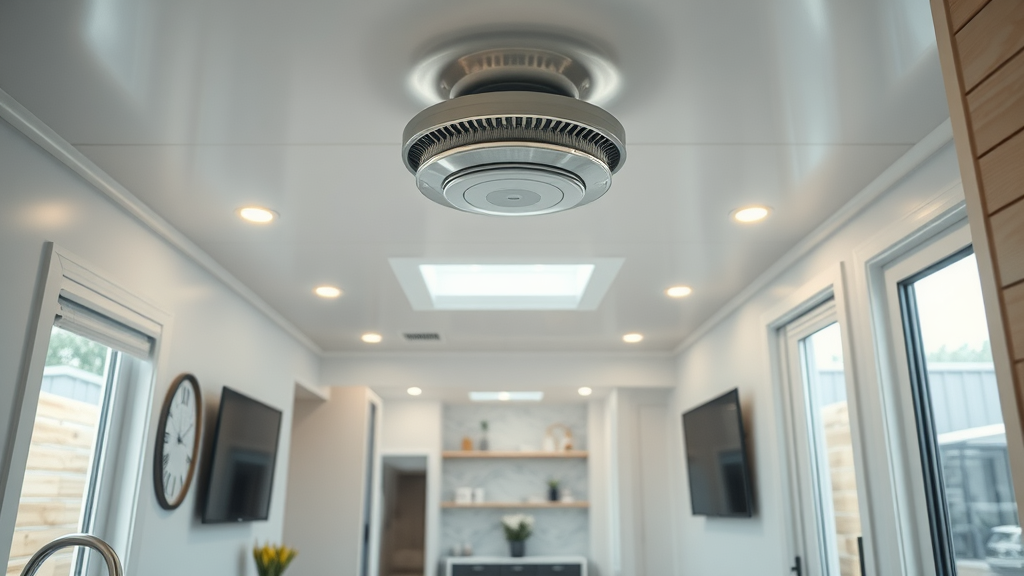
In all instances, safety remains a priority. Even without mandatory sprinklers, ADUs must adhere to California Building Code fire safety standards, including proper smoke and carbon monoxide detectors.
Permit Process Changes: ADU Plan Reviews and Submission Timelines
A highlight of the new adu laws is the streamlined approval process. Local agencies must now approve or deny your ADU permit application within 60 days—no more languishing in paperwork limbo.
To optimize your chances, submit a complete adu plan including architectural drawings, site maps, and all compliance details. Work closely with your local building department, and consider engaging a licensed builder with experience in ADU laws in California. This approach minimizes delays, allows for rapid corrections, and expedites your project from planning to move-in.
Watch a short video summary: California 2023 ADU law changes explained with animated graphics, including the latest on permitting, height restrictions, and legalizing unpermitted ADUs.
Financial Impact of 2023 ADU Law Changes on Homeowners
The impact of 2023 ADU law changes on homeowners isn’t just regulatory—it’s financial as well. The new rules can lower construction costs, speed up rental income potential, and boost property values, but they also come with considerations around up-front investment and long-term property taxes.
Whether you’re evaluating the costs of building an ADU or considering how it will affect your resale value, understanding these financial angles is crucial. Let’s break down the key benefits and potential drawbacks.
Cost Savings and Incentives Linked to New ADU Laws in California
Streamlined permitting means fewer delays and lower soft costs—saving thousands. Many local governments now waive or reduce impact fees for certain ADUs, particularly smaller or junior accessory dwelling units (JADUs). In some regions, grants and low-interest loans are available to help offset adu construction and upgrade costs.
The ability to add a rentable unit, house aging parents, or accommodate a growing family with minimal government hurdles can multiply a home’s total value. Landlords see more regular cash flow, while homeowners enjoy increased utility and flexibility.

Potential Drawbacks: Navigating Costs, Insurance, and Resale Value
Despite the benefits, there are potential challenges. Construction costs—including materials and labor—are still significant, and increases in property taxes or utility upgrades might offset some returns. Insurance providers may adjust policies to reflect the higher value and occupancy of homes with ADUs.
Another consideration: while ADUs generally enhance property value, individual results can vary based on local market demand and neighborhood character. Smart homeowners will research resale trends, work with experienced real estate professionals, and keep up with evolving adu laws in California to make informed financial decisions.
People Also Ask: Navigating the Impact of 2023 ADU Law Changes on Homeowners
Can you have a 2 story ADU in California?
Yes, under the impact of 2023 ADU law changes on homeowners, the revised height restrictions now allow for two-story ADUs in many areas, subject to local ordinances and building codes.
What is one drawback of an ADU?
One drawback, despite beneficial changes in ADU laws, can be increased property taxes and additional utility costs associated with accessory dwelling units.
What is the new ADU law in California 2023?
The impact of 2023 ADU law changes on homeowners is substantial, as the new ADU law in California streamlines permits, eases setbacks, allows for taller ADUs, and simplifies legalization of unpermitted accessory dwelling units.
What are the arguments against ADUs?
Arguments against ADUs include concerns about neighborhood density, strain on infrastructure, and potential impact on local character, despite the intent of updated ADU laws to address housing shortages.
FAQs: Clarifying the 2023 ADU Law and Its Impact on Homeowners
-
How quickly can I get my ADU plan approved under the new law?
Under the 2023 ADU law changes, local agencies must approve or deny your plan within 60 days, streamlining what was once a long, unpredictable process. -
Can I legalize an unpermitted ADU built before 2023?
Yes. The 2023 law adds clear pathways for legalization, often with reduced penalties and step-by-step guidance from your local building department. -
Do I need fire sprinklers in my new ADU?
Generally, fire sprinklers are only required if the main home needs them, but always check local codes for exceptions and ensure your unit meets all safety regulations. -
Will my property taxes go up after adding an ADU?
Adding an ADU will likely increase your assessed property value, resulting in higher taxes, though the benefits in added utility and value often outweigh the costs. -
Are there incentives to help with construction and permitting fees?
Many cities and counties offer waived fees, grants, or low-interest loans for certain types of ADUs, particularly those under 750 sq ft or built for low-income housing.
Key Takeaways: What Every Homeowner Should Remember About the Impact of 2023 ADU Law Changes
- 2023 ADU law changes provide new opportunities for homeowners
- Act now to remain compliant and realize full benefits
- ADU laws in California now favor efficient, streamlined development
Conclusion: How to Respond to the Impact of 2023 ADU Law Changes on Homeowners
The time to act is now: take advantage of streamlined laws, new opportunities, and expert support to make the most of ADU potential.
Next Steps: Speak to an ADU Law Expert or Licensed Builder
If you’re considering building, legalizing, or upgrading an ADU, consult with a specialist who understands adu laws in California and current local requirements. This professional advice will maximize your benefits and reduce your risks.
Contact Information and Call to Action
You can reach out to U.S. Accurate Construction at (925) 385-7099




Write A Comment