Add Row
Add Element
cropper
update
U.S. Accurate Design and Build
cropper
update
Add Element
  • Home
  • Categories
    • Home Remodeling Tips
    • Kitchen & Bath Design
    • ADUs and Retrofits
Add Element
  • update
  • update
  • update
  • update
  • update
  • update
  • update
  • All Posts
  • Home Remodeling Tips
  • Kitchen & Bath Design
  • ADUs and Retrofits
August 26.2025
1 Minute Read

Tired of ADU builders East Bay Delays? Here's How to Choose Right

Did you know that nearly 65% of Bay Area homeowners face delays when building their accessory dwelling unit (ADU)? Months of waiting, unexpected expenses, and endless frustration are the norm for many East Bay residents eager to create a rental unit, guest house, or much-needed home office through ADU builders East Bay. If you’re dreaming of expanding your living space or unlocking new rental income but anxious about setbacks, this article delivers exactly what you need: clear, expert-backed steps to pick the right ADU builder and finally bring your vision to life—without the headaches or lost time.

ADU Builders East Bay: Why Delays Are So Common — And The Hidden Costs

The dream of adding an accessory dwelling unit often clashes with a tough reality: delays are almost baked in when working with many ADU builders East Bay. Complicated permitting processes, unclear project scopes, and struggles with design build coordination can halt progress for months. These delays aren’t just inconvenient; they come with hidden costs. Every time your project stalls, you’re not only extending your move-in date, but also potentially paying more for materials, labor, permits, and even missing out on timely rental income if your guest house or secondary dwelling stays incomplete.

If you’ve ever peeked at a slow-moving East Bay ADU construction site, the idle workers and unfinished accessory dwelling unit often reflect a breakdown in project management. Many homeowners underestimate how quickly the costs add up—sometimes to the tune of thousands of dollars. Factor in the frustration of disrupted living and your Bay Area investment teeters on the edge. Understanding why these delays happen is the first step to avoiding them and ensuring your ADU builder is set up for project success.

Frustrated Bay Area homeowners reviewing slow-moving ADU builders East Bay project with idle workers and unfinished accessory dwelling unit

“Nearly 65% of Bay Area homeowners experience ADU project delays—often adding months to move-in dates and thousands in extra costs.”

What You’ll Learn About Choosing The Best ADU Builders East Bay

  • Key challenges in ADU construction in the East Bay and Bay Area

  • Criteria for selecting a reliable ADU builder or ADU contractor

  • Red flags to avoid with ADU builders

  • How to save time and money on your accessory dwelling unit project

Understanding ADU Builders East Bay and The Accessory Dwelling Unit Boom

The East Bay is undergoing a building boom as homeowners seek creative solutions for extra space, rental opportunities, and multigenerational living through accessory dwelling units. ADU builders East Bay are in high demand, juggling projects ranging from compact backyard cottages to spacious rental units and customized garage conversions. The surge is fueled by updated Bay Area zoning laws, more flexible permitting, and a regional need for affordable housing alternatives. But with more projects come more chances for setbacks—making it vital to choose your builder carefully.

Experienced ADU contractors must now navigate stricter regulations while still delivering innovative, cost-effective designs that maximize every square foot. As demand for area adu expertise grows, choosing a builder who is active, collaborative, and deeply familiar with East Bay construction requirements is non-negotiable. Ultimately, if you want your accessory dwelling unit delivered when promised, you need a team with proven systems, transparent communication, and a rich portfolio of local dwelling units built on time and within budget.

Modern ADU builder team discussing blueprints for an accessory dwelling unit in an East Bay neighborhood, showcasing ADU builders East Bay collaboration

What is an ADU Builder, and Why Are They in Demand in the Bay Area?

An ADU builder is a specialized contractor focused on designing and constructing accessory dwelling units—compact homes, studios, or secondary units on your residential property. In the Bay Area, these experts bring vital expertise in area adu requirements, local codes, and the unique demands of backyard rental units or guest houses. The demand for skilled ADU builders East Bay is skyrocketing because of housing shortages, rising costs for expanding a main home, and the all-in-one flexibility these projects offer families. More than just a construction pro, the right ADU builder acts as your project manager and guide—shepherding your vision, navigating permitting, and keeping your accessory dwelling unit on track in a complicated Bay Area construction ecosystem.

Choosing an experienced ADU builder ensures attention to detail, protects your investment, and transforms a complex project into a rewarding addition—whether for your own living space or a dependable source of rental income.

The Role of an ADU Contractor in Modern Dwelling Unit Projects

An ADU contractor does far more than just oversee day-to-day operations. This professional is the linchpin between your hopes for an affordable rental unit, a modern home office, or a multi-generational retreat—and an actual structure rising in your backyard. Top ADU contractors manage timelines, keep subcontractors accountable, resolve zoning snags, and bridge the often-challenging gap between creative design and practical building. In the fast-paced Bay Area market, the ideal contractor will also suggest custom adu solutions tailored to your lot size, budget, and living needs.

A truly experienced ADU contractor will seamlessly handle everything from initial consultation and site inspection to final inspections and code compliance. Their mastery ensures your accessory dwelling unit not only meets the latest building standards but reflects your unique needs—helping you sidestep common headaches and get the most out of your area adu investment.

Top Factors That Cause Delays with ADU Builders East Bay

ADU construction in the East Bay can be a maze—unless your builder has the expertise to keep the project moving. The most common sources of ADU project delays stem from four main factors:

  1. Permitting and zoning in the East Bay: Each city—from Oakland to Walnut Creek—has unique codes for dwelling units. Slow or incomplete permit applications are a leading culprit for extended timelines.

  2. Construction scheduling and subcontractor management: Poorly managed work schedules and unreliable subcontractors can grind progress to a halt, turning a 6-month project into a yearlong ordeal.

  3. Design build misalignment in Bay Area projects: If your ADU builder, designer, and you aren’t in sync, revisions and re-approvals are inevitable. This often sets back builds by weeks or months.

  4. Project budget overruns: Unanticipated costs tied to site prep, utility connections, or material price increases can halt work completely until additional funds are secured.

Even the best ADU builders East Bay face these challenges, but seasoned contractors have processes in place to overcome them through rigorous planning, client communication, and attention to detail every step of the way.

How ADU Construction Timelines Differ Across East Bay & Bay Area

An ADU project in the East Bay can look very different from one in San Francisco or other corners of the Bay Area. For example, Oakland and Berkeley generally have more streamlined permitting processes than San Francisco, where zoning laws for accessory dwelling units are notoriously complex. Design and build times can fluctuate, depending on the builder’s experience and whether you’re creating a custom ADU or opting for a prefab solution.

Understanding average timelines for different neighborhoods helps set realistic expectations and keeps your project manager focused on key milestones. Comparing estimates from several ADU builders East Bay also reveals how local expertise can significantly speed up the journey from blueprint to finished rental or guest house.

ADU Timeline Comparison: East Bay vs. San Francisco vs. Bay Area

Region

Permitting (weeks)

Design (weeks)

Build (weeks)

Total (weeks)

East Bay

6–12

4–8

16–24

26–44

San Francisco

12–24+

6–10

24–36

42–70+

Greater Bay Area

8–18

4–12

18–32

30–62

How to Choose the Right ADU Builders East Bay: Your Step-by-Step Guide

Ready to avoid the mistakes that plague most ADU builds? Here’s your straightforward path to a successful ADU project, whether you’re eyeing a cozy guest house, a profitable rental unit, or an extra dwelling for family needs. Start by researching highly rated ADU builders East Bay with a deep track record in local accessory dwelling unit construction. Check their licenses and industry credentials to be sure you’re working with a true professional, not a fly-by-night operation. Carefully evaluate their experience: ask for portfolios, completed projects, and satisfied client referrals from across the Bay Area. Do they offer flexible design build services that allow for customization?

Next, compare their approach. Is it transparent, with itemized estimates for every square foot and a willingness to walk you through plans and changes? An honest builder can clearly explain costs for site prep, construction, and finishings—plus hidden costs (if any) for items like utility rerouting. Finally, double check for reliable project management. The right ADU contractor will assign a dedicated project manager, insist on regular progress meetings, and make open communication a top priority—to keep you informed and in control at every step.

East Bay homeowner analyzing ADU builder credentials and contractor checklist for ADU builders East Bay project
  1. Check East Bay ADU builder license and credentials

  2. Evaluate ADU builder experience with accessory dwelling units

  3. Compare design build approach and customization options

  4. Review ADU contractor portfolio and completed Bay Area projects

Questions to Ask Your Potential ADU Builder or Contractor

Before you commit to a contract, make sure your potential ADU builder can answer fundamental questions, such as:

  • How many ADU projects have you completed in the East Bay and the wider Bay Area?

  • What is your average timeline from permitting to move-in for an accessory dwelling unit?

  • How do you handle permitting and zoning hurdles, and do you work directly with local city departments?

  • Can you provide a detailed, itemized estimate by square foot that covers all phases—design build, construction, and finishes?

  • Who will be my direct project manager, and how often will I receive updates?

If your ADU contractor struggles to answer or provides vague responses, keep looking. This level of due diligence will prevent surprises, delays, and miscommunication, saving you time and money.

Comparing Bay Area ADU Builder Pricing & What’s Included per Square Foot

Transparency is critical when evaluating the cost of building an ADU in the Bay Area. Top ADU builders East Bay provide an itemized breakdown of what’s included in their quoted price per square foot: permits, design services, labor, materials, utilities, and finish options. Some builders might seem less expensive at first glance but tack on “extras” later that bloat your budget.

Below is an example table comparing the cost breakdowns by builder and ADU type. Use these as benchmarks when reviewing actual contractor quotes for your own accessory dwelling unit project.

ADU Builders East Bay: Common Pitfalls and How to Avoid Delays

Even when you do your homework, accessory dwelling unit projects can hit snags due to several recurring issues. Many ADU building headaches in the East Bay are caused by:

ADU builders East Bay and homeowners meeting to problem-solve and avoid construction delays for East Bay dwelling units
  • Unclear project scope

  • Incomplete accessory dwelling unit plans

  • Poor communication with East Bay ADU contractors

  • Neglecting site preparation or utilities

Misunderstandings over project deliverables or payment schedules, failure to identify property constraints (like utility locations), or rushing through initial plan approvals are red flags. Reputable ADU builders East Bay will insist on thorough pre-construction checklists and maintain regular, timely communication for each step of the design build process. Being proactive early prevents major headaches later—whether you're building a detached guest house, a rental unit, or a compact home office on your lot.

Pro Tips for Streamlining Your ADU Construction Project

Successfully navigating an ADU build in the Bay Area means going beyond the basics. First, demand a transparent timeline and regular progress reports from your project manager to stay ahead of bottlenecks. Schedule walk-throughs at key milestones so you and your ADU contractor remain aligned—avoiding last-second revisions that cause both delays and cost overruns. If possible, partner with builders who offer design build services, eliminating confusion between architect, contractor, and homeowner by bringing everyone together from the start.

Don’t overlook site prep—many project delays stem from underestimating the time for grading, permits, utility rerouting, or handling unexpected property issues. Finally, establish all lines of communication upfront. Consistent, honest dialogue can save you weeks or months when compared to the average accessory dwelling unit project in the wider Bay Area.

“Timely communication and a transparent design build process can cut average ADU project delays by 30%.”

Watch as real East Bay homeowners share their journey—from initial vision to a completed accessory dwelling unit—revealing how the right ADU builder delivers on schedule, with minimal disruption and no hidden costs.

People Also Ask About ADU Builders East Bay

How much does it cost to build an ADU in the Bay Area?

Costs for ADU builders in East Bay typically range from $200,000 to $400,000 depending on the size, location, site constraints, and whether you’re opting for a detached structure or garage conversion. Pricing also varies by square foot depending on finish quality, customization, and builder expertise. Always ask for a line-item estimate to understand exactly what you’re paying for and to avoid unwelcome surprises down the line.
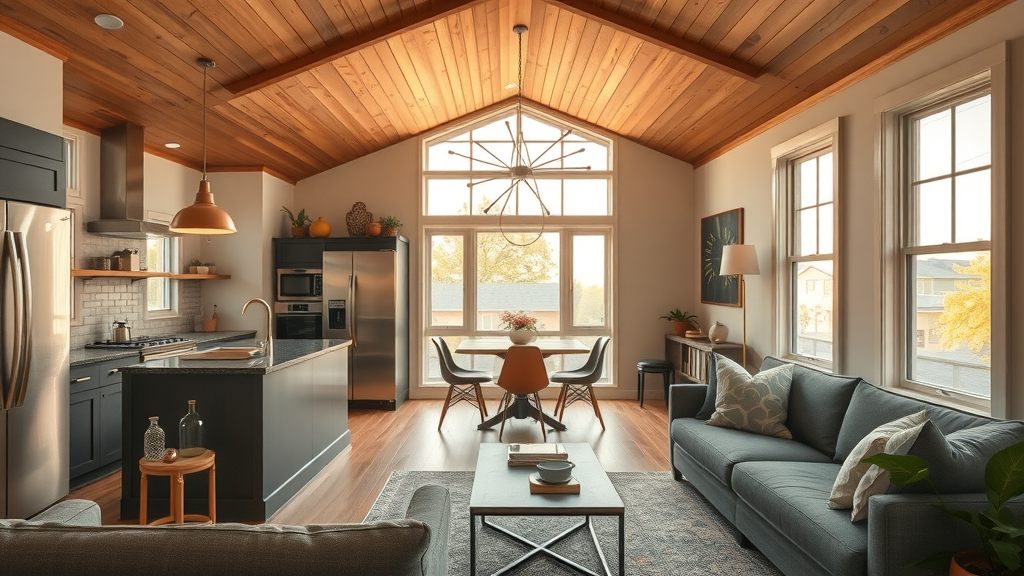
Interior of a newly completed accessory dwelling unit by ADU builders East Bay, showing modern living area and kitchen design

Is it cheaper to build an ADU or buy a prefab?

Prefab accessory dwelling units often have lower upfront costs and can be installed more quickly. However, ADU builders East Bay who offer full design build solutions allow you to tailor the dwelling unit to your property, delivering higher long-term property value and more efficient use of space. For many Bay Area properties, custom-built ADUs result in a higher return on investment—especially if maximizing rental income or fitting a unique lot is key.

What's one drawback of an ADU?

One significant drawback when building an ADU is potential permitting delays. Some East Bay cities or greater Bay Area municipalities have complex and evolving zoning requirements for secondary or accessory dwelling units, which can stretch the approval process from weeks to several months. Choosing an experienced ADU contractor helps minimize these risks.

What is the cheapest way to build an ADU in California?

The most affordable way to add an ADU is by partnering with experienced ADU builders East Bay who offer both clear pricing and efficient project management. Considering prefab options or garage conversions can lower construction and permitting expenses but always confirm what’s truly included before committing to save costs long term.

Lists: ADU Builders East Bay Checklist—What to Ask & Verify

  • Licenses verified

  • Local dwelling units experience

  • Transparent accessory dwelling unit pricing

  • On-time completion rate

  • Design build capabilities

FAQs: Everything You Need to Know About ADU Builders East Bay

What should I look for in an ADU contractor?

Look for a licensed ADU contractor with proven experience in the Bay Area, a strong portfolio of completed accessory dwelling units, transparent pricing, a collaborative design build approach, and an excellent on-time completion rate. Clear communication at every step is essential for project success.

How do I avoid hidden costs in ADU construction?

Avoiding hidden costs means demanding full line-item quotes up front, understanding what is and isn’t included (e.g., permits, utility connections), and establishing milestone payment schedules with your ADU builder. Experienced Bay Area ADU contractors will explain each line and flag any risks that may affect your budget.

Can ADU builders in the Bay Area handle zoning issues?

Top ADU builders East Bay and throughout the Bay Area routinely work with challenging local codes and have relationships with permitting offices. They will manage these hurdles efficiently, keeping your accessory dwelling unit project moving and keeping extra costs at bay.

Key Takeaways On Selecting Top ADU Builders East Bay

Happy East Bay family with ADU builders East Bay celebrating new accessory dwelling unit completion
  • Choose licensed, experienced ADU builders for East Bay projects

  • Prioritize transparent pricing and strong ADU contractor portfolios

  • Clear communication and a design build focus reduce delays

Follow a step-by-step overview from initial consult and permit preparation to keys-in-hand walkthrough as East Bay families and contractors bring new accessory dwelling units to life with minimal disruption and maximum satisfaction.

Conclusion: Why Now Is the Best Time to Hire Trusted ADU Builders East Bay

“An expert ADU builder guides your accessory dwelling unit project from vision to life—without the hassle of unnecessary delays.”

Partnering with experienced ADU builders East Bay unlocks time savings, budget clarity, and a streamlined path to more living space, higher property value, and a home that truly fits your family's needs.

Ready To Transform Your Property? Contact U.S. Accurate Construction—Leading ADU Builders East Bay

You can reach out to U.S. Accurate Construction at (925) 385-7099

Don’t let delays sideline your ADU project. Call now for your free consult and discover how U.S. Accurate Construction’s ADU builder team can bring your accessory dwelling unit dreams to life—on time and on budget.


ADUs and Retrofits

0 Views

0 Comments

Write A Comment

*
*
Please complete the captcha to submit your comment.
Related Posts All Posts
09.24.2025

Impact of 2023 ADU law changes on homeowners: What You Must Act On

Did you know? In early 2023, over 60% of California homeowners became eligible for faster, easier ADU approvals—shattering the status quo for property improvements. If you’ve ever thought about adding an accessory dwelling unit, the recent impact of 2023 ADU law changes on homeowners is nothing short of transformative. This article dives deep into these sweeping changes, what they mean for your property rights, and how to confidently navigate the new landscape. Startling ADU Law Facts: The 2023 Watershed Moment for Homeowners The 2023 ADU law has marked a pivotal moment for property owners across California. Gone are the years of labyrinthine approval processes and restrictive city standards. With ground-breaking updates, the state has made owning, building, and legalizing accessory dwelling units (ADUs) more accessible than ever before. For many homeowners, these changes could dramatically increase property value and expand housing choices—if you act swiftly and stay compliant. These shifts in adu laws in California mean that hesitation or lack of awareness could cost you real opportunities, whether you’re looking to create rental income, house family members, or boost your real estate’s future resale value. Understanding the impact of 2023 ADU law changes on homeowners isn’t just for the ambitious—it’s essential for anyone seeking to optimize their property use and avoid costly mistakes. Let’s look at exactly what these laws mean for you. What You’ll Learn About the Impact of 2023 ADU Law Changes on Homeowners How recent ADU law changes affect property rights and development New compliance requirements for accessory dwelling units Implications for unpermitted ADUs and construction standards How to maximize benefits from updated accessory dwelling unit regulations Understanding the 2023 ADU Law: A Comprehensive Overview for Homeowners The 2023 ADU law represents a fundamental overhaul, streamlining key processes and shaving months off typical build times. California’s aggressive stance is meant to alleviate its housing crisis, reduce red tape, and empower owners of primary dwellings to maximize their lots. These updates mean you need to understand exactly how adu laws in CA differ from what you might recall from just a few years ago. Changes include more uniform state-level rules, faster plan review timelines, and legal pathways for unpermitted ADUs. In the past, permits could drag on endlessly at the whim of your local agency. Now, the state has set clearer requirements and deadlines—putting much of the approval process directly in the homeowner’s hands. This >comprehensive overview—paired with advice on legalizing existing, non-compliant units—will empower you to make informed decisions about your property’s future. How the 2023 ADU Law Differs from Previous ADU Laws in California Accessory dwelling unit (ADU) laws in California underwent seismic changes in 2023. Previously, regulations could vary dramatically from city to city, especially regarding permitting processes, maximum sizes (in square feet), and setback or height restrictions. Many homeowners encountered unpredictable fees or ambiguous application requirements, leading to frustration and delays. Permitting Processes: The new law standardizes review periods so local agencies must approve or deny your ADU plan within 60 days, replacing open-ended waits with accountability. Allowable Sizes: Many ADUs and JADUs (junior accessory dwelling units) can now be larger, meaning real opportunities for property owners to build multi-bedroom spaces that add substantial value. Setbacks & Heights: Where setbacks of 5-10 feet or strict height limits once restricted placement, new state rules allow for minimal setbacks and even two-story structures on many lots—creating game-changing flexibility. These differences are particularly significant for those with unpermitted ADUs or anyone aiming to start ADU construction in 2023 and beyond. Understanding these details helps you plan smarter and avoid costly missteps. Key 2023 ADU Law Changes and Their Impact on Homeowners The table below summarizes the most crucial changes under adu laws in California and spells out how each one specifically impacts homeowners. Whether you're prioritizing speed, cost, or compliance, these are the updates you can't afford to ignore: Change Previous Law 2023 Update Impact on Homeowners Height Restrictions Varied by city Minimum statewide limit Enables multi-story ADUs Setback Requirements Often 5'-10' Reduced or eliminated for certain ADUs Allows for larger ADUs Unpermitted ADUs Harsh penalties Pathways for legalization Easier compliance Permitting Timelines Often unclear Streamlined 60-day requirement Faster approvals Expert Quote: The Real-World Effects of ADU Laws in CA “The new ADU laws in California empower homeowners more than ever, but not acting on changes can cause missed opportunities or compliance issues.” — Jane Smith, Land Use Attorney What is an Accessory Dwelling Unit and Why the Focus on ADU Laws? An accessory dwelling unit is a secondary housing structure on a single-family or multi-family lot—think backyard cottages, in-law suites, or even garage conversions. The recent surge in ADU laws is driven by a need to tackle California’s housing shortage, enhance property values, and offer flexible living solutions for changing families. Homeowners who understand current laws in California can unlock serious financial and personal benefits. ADUs, sometimes called granny flats or casitas, have become a central focus in zoning and land use reforms. By reimagining how dwelling units integrate with primary homes, state lawmakers aim to encourage responsible density while supporting real estate appreciation and increased rental stock. The focus on updated ADU laws in CA isn’t just a trend—it’s part of a longer-term shift in how communities approach growth and housing. Defining Accessory Dwelling Units Under Current Laws in California Today, California’s adu laws precisely define ADUs as self-contained residential units located on the same parcel as an existing or proposed primary dwelling. These units must have their own kitchen, bathroom, and separate entrance, and they can range from detached cottages to converted garages or even attics. The legal framework covers both new construction and conversions to ensure safety, efficiency, and compliance. Under current laws in California, ADUs can be: Detached: Separate from the main house (e.g., a new cottage in the backyard) Attached: Added onto the existing house, like converting a basement or building out over a garage Converted: Transformation of existing space—such as a garage or storage area—into a living unit, often streamlined under the 2023 law Understanding these definitions is the first step for homeowners considering ADU construction plans or evaluating the compliance of an existing unit. Accessory Dwelling Unit Types: From Backyard Cottages to Garage Conversions The flexibility of adu laws in California means nearly every property owner can tailor an ADU to their needs. Popular dwelling unit types include: Backyard Cottages: Standalone, private, ideal for rentals or multi-generational living Garage Conversions: Cost-effective, leverages existing structures, often eligible for expedited permitting Basement and Attic Units: Creative option for larger homes, maximizing all available space As ADU construction becomes easier and more affordable, these types are proliferating—helping solve housing shortages while allowing homeowners to generate rental income, provide space for aging relatives, or increase property resale value. Unpermitted ADU Dilemmas and Legalization Paths in 2023 With more ADUs springing up across California, a major question is: what happens if your ADU was built before these new adu laws came into effect—or without proper permits? The impact of 2023 ADU law changes on homeowners includes crucial options for those with unpermitted ADUs. Until recently, property owners faced harsh fines, forced demolition, or legal battles when caught with unpermitted dwelling units. The revised laws in CA change the landscape, offering streamlined paths to compliance, lighter penalties, and new incentives to bring existing units up to code. Consequences and Compliance for Unpermitted ADUs Under New ADU Laws Legal Steps: The first step is to contact your local agency or city building department to initiate the ADU permit process. Clear legal guidance is now available to help property owners navigate documentation, inspections, and possible upgrades. Fines and Penalties: Unlike in previous years, 2023 laws often reduce or waive steep fines for owners who voluntarily come forward—encouraging safety and compliance. Benefits of Legalization: Once legalized, ADUs can be lawfully rented, insured, and sold with the property—boosting real estate value and peace of mind. For those affected, taking action under these new ADU laws in CA can mean the difference between an asset and a liability. Pathways to Compliance: How to Legalize Your Unpermitted ADU in 2023 The 2023 ADU law changes make it simpler to legalize pre-existing, unpermitted units. Start by gathering any available construction documents, floor plans, and evidence of when the unit was built. Next, schedule an inspection with your city or county. The review will ensure that basic health and safety standards are met—even if your ADU was built before new codes were in effect. If upgrades are needed, focus on critical issues such as fire sprinklers, egress, and utility connections. Final documentation and permit sign-offs will bring your ADU into full compliance. Most importantly, consult with an ADU-experienced builder or law expert to streamline the process and avoid pitfalls. Crucial 2023 Code Changes: ADU Construction Setbacks, Height, and Fire Sprinklers Among the most impactful updates in the 2023 ADU law are revised requirements around front setbacks, height restrictions, and fire sprinklers. These details affect not just new ADU construction but also improvements and conversions. Lower setbacks allow you to build closer to property lines, significantly increasing available space. Increased height limits mean two-story ADUs are now possible in many communities, enabling more families to maximize their property’s value and utility. How Front Setback and Height Restrictions Have Shifted Under New ADU Laws in CA Revised Height Limits: Height restrictions now accommodate two-story ADUs (up to 16-18 feet and higher, depending on area), vastly expanding design options. Reduced Setback Requirements: Setback rules—especially for rear and side yards—have been reduced or eliminated for many types of ADUs, helping homeowners make better use of their lots. These reforms open the door to more innovative ADU plans, reduced construction barriers, and broader eligibility for previously ineligible lots. Fire Sprinkler Requirements for Accessory Dwelling Units in 2023 One of the most common questions about adu construction: Do ADUs need fire sprinklers? Under the new 2023 laws in California, if the primary dwelling does not require fire sprinklers, the newly built ADU usually will not either. However, fire sprinklers may be required where substantial upgrades, high density, or special local agency rules apply. In all instances, safety remains a priority. Even without mandatory sprinklers, ADUs must adhere to California Building Code fire safety standards, including proper smoke and carbon monoxide detectors. Permit Process Changes: ADU Plan Reviews and Submission Timelines A highlight of the new adu laws is the streamlined approval process. Local agencies must now approve or deny your ADU permit application within 60 days—no more languishing in paperwork limbo. To optimize your chances, submit a complete adu plan including architectural drawings, site maps, and all compliance details. Work closely with your local building department, and consider engaging a licensed builder with experience in ADU laws in California. This approach minimizes delays, allows for rapid corrections, and expedites your project from planning to move-in. Watch a short video summary: California 2023 ADU law changes explained with animated graphics, including the latest on permitting, height restrictions, and legalizing unpermitted ADUs. Financial Impact of 2023 ADU Law Changes on Homeowners The impact of 2023 ADU law changes on homeowners isn’t just regulatory—it’s financial as well. The new rules can lower construction costs, speed up rental income potential, and boost property values, but they also come with considerations around up-front investment and long-term property taxes. Whether you’re evaluating the costs of building an ADU or considering how it will affect your resale value, understanding these financial angles is crucial. Let’s break down the key benefits and potential drawbacks. Cost Savings and Incentives Linked to New ADU Laws in California Streamlined permitting means fewer delays and lower soft costs—saving thousands. Many local governments now waive or reduce impact fees for certain ADUs, particularly smaller or junior accessory dwelling units (JADUs). In some regions, grants and low-interest loans are available to help offset adu construction and upgrade costs. The ability to add a rentable unit, house aging parents, or accommodate a growing family with minimal government hurdles can multiply a home’s total value. Landlords see more regular cash flow, while homeowners enjoy increased utility and flexibility. Potential Drawbacks: Navigating Costs, Insurance, and Resale Value Despite the benefits, there are potential challenges. Construction costs—including materials and labor—are still significant, and increases in property taxes or utility upgrades might offset some returns. Insurance providers may adjust policies to reflect the higher value and occupancy of homes with ADUs. Another consideration: while ADUs generally enhance property value, individual results can vary based on local market demand and neighborhood character. Smart homeowners will research resale trends, work with experienced real estate professionals, and keep up with evolving adu laws in California to make informed financial decisions. People Also Ask: Navigating the Impact of 2023 ADU Law Changes on Homeowners Can you have a 2 story ADU in California? Yes, under the impact of 2023 ADU law changes on homeowners, the revised height restrictions now allow for two-story ADUs in many areas, subject to local ordinances and building codes. What is one drawback of an ADU? One drawback, despite beneficial changes in ADU laws, can be increased property taxes and additional utility costs associated with accessory dwelling units. What is the new ADU law in California 2023? The impact of 2023 ADU law changes on homeowners is substantial, as the new ADU law in California streamlines permits, eases setbacks, allows for taller ADUs, and simplifies legalization of unpermitted accessory dwelling units. What are the arguments against ADUs? Arguments against ADUs include concerns about neighborhood density, strain on infrastructure, and potential impact on local character, despite the intent of updated ADU laws to address housing shortages. FAQs: Clarifying the 2023 ADU Law and Its Impact on Homeowners How quickly can I get my ADU plan approved under the new law? Under the 2023 ADU law changes, local agencies must approve or deny your plan within 60 days, streamlining what was once a long, unpredictable process. Can I legalize an unpermitted ADU built before 2023? Yes. The 2023 law adds clear pathways for legalization, often with reduced penalties and step-by-step guidance from your local building department. Do I need fire sprinklers in my new ADU? Generally, fire sprinklers are only required if the main home needs them, but always check local codes for exceptions and ensure your unit meets all safety regulations. Will my property taxes go up after adding an ADU? Adding an ADU will likely increase your assessed property value, resulting in higher taxes, though the benefits in added utility and value often outweigh the costs. Are there incentives to help with construction and permitting fees? Many cities and counties offer waived fees, grants, or low-interest loans for certain types of ADUs, particularly those under 750 sq ft or built for low-income housing. Key Takeaways: What Every Homeowner Should Remember About the Impact of 2023 ADU Law Changes 2023 ADU law changes provide new opportunities for homeowners Act now to remain compliant and realize full benefits ADU laws in California now favor efficient, streamlined development Conclusion: How to Respond to the Impact of 2023 ADU Law Changes on Homeowners The time to act is now: take advantage of streamlined laws, new opportunities, and expert support to make the most of ADU potential. Next Steps: Speak to an ADU Law Expert or Licensed Builder If you’re considering building, legalizing, or upgrading an ADU, consult with a specialist who understands adu laws in California and current local requirements. This professional advice will maximize your benefits and reduce your risks. Contact Information and Call to Action You can reach out to U.S. Accurate Construction at (925) 385-7099

09.23.2025

ADU size and setback rules Lafayette CA: Avoid Permitting Pitfalls

Did you know? According to recent studies, permitting issues are among the top three reasons ADU projects are delayed or abandoned in Lafayette, CA. Missteps in understanding ADU size and setback rules Lafayette CA can turn your dream project into a costly headache. This guide puts the right information at your fingertips—so you can plan, apply, and build with confidence. Unlocking ADU Success: Why Knowing ADU Size and Setback Rules in Lafayette CA Matters If you’re considering building an ADU in Lafayette, grasping the city’s specific ADU size and setback rules will make or break your project. Lafayette sets local zoning and adu requirements that can override state standards—affecting everything from maximum square footage to where you can place an accessory dwelling unit on your lot. An overlooked setback requirement or confusion about attached versus detached ADUs can result in denied permits, wasted expenses, and months of delays. By learning the unique requirements for ADUs in Lafayette, you’re set up to maximize your living space or rental income without risk of code violations. Even experienced property owners in Lafayette can be tripped up by evolving local regulations and the city’s approach to state mandates on dwelling units. Reading this guide now will help you see the road ahead: from property line setbacks to parking space rules and the finer points of building permit applications. Be among the successful Lafayette homeowners who navigate the permitting process efficiently and legally. “According to recent studies, permitting issues are among the top three reasons ADU projects are delayed or abandoned in Lafayette, CA.” What You’ll Learn About ADU Size and Setback Rules in Lafayette CA Key Lafayette ADU size limits, including maximum square footage by type (attached, detached, junior ADU) Critical ADU setback requirements and how they differ from state standards Step-by-step permitting process and common pitfalls to avoid Unique rules for accessory dwelling units in Lafayette Expert tips for a smooth ADU permit application Overview: ADU Size and Setback Rules Lafayette CA Building accessory dwelling units (ADUs) in Lafayette requires a clear understanding of the city’s unique size and setback rules. Whether you’re adding an attached, detached, or junior ADU, the right start begins with knowing how Lafayette’s zoning code applies to your property. This section covers the essentials—from what counts as an ADU to the differences between local rules and statewide mandates. The local Lafayette development code often includes more specific or stricter standards than California’s baseline, which means relying solely on state law may leave your ADU project exposed to setbacks during the permitting process. Key considerations for Lafayette homeowners involve not just the maximum size of their ADU, but how many dwelling units can be added, how ADUs interact with existing structures, and whether requirements differ by lot size or location within the city. By comparing Lafayette’s rules with state law (see the table below), you can prevent the most common permitting errors and streamline your application for a building permit. Let’s look at how definitions and requirements play out for Lafayette specifically. General ADU Requirements and Definitions Explained Accessory dwelling units (ADUs) in Lafayette are secondary housing units on residential lots. They can be either detached ADUs—built separately from the main home—or attached ADUs—incorporated as new living space within or connected to the primary dwelling. There are also junior ADUs (JADUs), which have their own set of size and feature requirements, usually being no more than 500 square feet and carved from existing square footage. The city defines ADUs by their physical connection, independent living facilities (like kitchen and bathroom), and potential rental use. A conversion ADU may involve repurposing an existing part of your property, such as a garage or basement, into a new dwelling unit. Each type has varying code, size, and setback requirements—making close attention to definitions important when applying for a building permit or planning your ADU project in Lafayette. Key ADU Requirement Differences: Lafayette Versus California State Law While California law provides a baseline for adu requirements—including minimum setbacks, parking allowances, and maximum square feet—Lafayette often enforces additional or stricter local codes. For example, California mandates a minimum four-foot side and rear setback for most ADUs, but Lafayette can extend requirements depending on lot shape, zoning, and neighborhood overlays. Unlike the state, which may allow larger or multiple ADUs in some scenarios, Lafayette’s specific ordinances could restrict maximum size based on lot size or limit the square footage relative to the main dwelling. Differences like these underscore the importance of verifying Lafayette's local regulations before you begin building an ADU—or risk a rejected permit application or unexpected design changes down the road. Comparison Table: Lafayette CA vs State of California – ADU Size and Setback Rules Requirement Lafayette CA (Local) California State Law Maximum Size: Detached ADU Up to 850 sq ft (1 bed); up to 1,000 sq ft (2+ beds); larger may be allowed for new construction if lot size permits Up to 1,200 sq ft (unless city restricts, but cannot mandate less than 800 sq ft for ADUs) Maximum Size: Attached ADU Up to 50% of main dwelling's floor area, not to exceed local caps (often 850–1,000 sq ft) Up to 50% of main dwelling's floor area, up to 1,200 sq ft total, per state mandate Junior ADU Size Maximum 500 sq ft, must be part of existing dwelling Maximum 500 sq ft, conversion of existing space Setbacks (Side/Rear) 4 ft minimum for detached/attached ADUs, with local enhancements possible 4 ft minimum on side and rear for new ADUs Front Setback May be stricter per Lafayette zoning code—confirm with city No state minimum; refers back to local standards Lot Coverage/Minimum Lot Size May apply; check Lafayette’s current ADU ordinance No minimum lot size; only overall lot coverage applies Understanding Maximum ADU Size in Lafayette CA The maximum size for your accessory dwelling unit in Lafayette depends on ADU type, lot size, zoning district, and sometimes, the size of your primary residence. Detached ADUs typically have a cap of up to 1,000 square feet, while attached ADUs are limited by a percentage of existing dwelling area. Junior ADUs, carved from existing homes, are capped at 500 square feet. If you’re unsure, always check Lafayette’s current ADU ordinance—these limits may evolve as city and state rules change. Designing your ADU for compliance from the start not only safeguards your investment but also helps avoid time-consuming corrections during the building permit process. Keep in mind that some local rules may allow exceptions (such as larger units on bigger lots or with certain conditions met) but these require detailed review of your property’s zoning and a careful application to city planning. Let’s break down each type: Maximum Size for Detached ADU in Lafayette Detached ADUs can be built up to a maximum of 850 square feet for one-bedroom units or up to 1,000 square feet for ADUs with two or more bedrooms. In special cases—such as new construction on a larger lot—Lafayette may allow a detached ADU up to 1,200 square feet, but this is rare and subject to additional planning review. Always verify whether your lot qualifies before submitting a permit application. Lafayette’s limits are set to maintain neighborhood character while expanding living space options. For property owners seeking rental income or multigenerational housing, choosing the right adu size can boost property value. But going beyond Lafayette’s adu requirements can result in a failed inspection or forced modifications. Striking the right balance between design goals and regulatory compliance makes the permit approval process much smoother for your adu project. Size Limits for Attached ADUs and Existing Dwelling Units With attached ADUs, size is determined by the existing structure. Lafayette allows up to 50% of your main home’s square footage to be used for the new accessory dwelling unit, with a typical maximum of 850–1,000 square feet according to the city’s zoning code. This limit helps ensure the ADU remains subordinate to the primary residence. For example, if your house is 1,600 square feet, an attached ADU could be up to 800 square feet (50%), unless your lot or zoning allows for more under the current ordinance. Existing dwelling units used for a conversion ADU—such as a basement or attached garage—must comply with the same size limits as new construction. Confirm with the city planning department if you plan to build an ADU that uses both new and existing living space to ensure your application aligns with local adu requirements. Junior ADUs: What You Need to Know Junior ADUs (JADUs) are a special category in California and Lafayette alike, offering up to 500 square feet of converted space within an existing single-family dwelling. JADUs must be created from portions of your primary residence—and cannot be new construction. They must include an efficiency kitchen, but can share a bathroom with the primary home. Lafayette typically restricts JADUs to one per property and may have additional adu requirements regarding owner-occupancy and rental terms, so check the city’s current rules before starting your project. Junior ADUs are ideal for homeowners looking to accommodate family, provide affordable rental options, or take advantage of state incentives for smaller units. Just like other ADU types, JADUs must comply with setback rules and may require full permit applications; skipping these steps can put your project at risk of removal or retroactive penalties. ADU Setback Rules in Lafayette CA: Property Line and Lot Requirements Setbacks refer to the required distance between your new ADU and the property line or other structures. Observing the correct setbacks is non-negotiable for your adu permit in Lafayette. State law establishes a four-foot side and rear minimum setback for most ADUs, but Lafayette can—and sometimes does—require more, especially for front yards or lots with unique shapes like flag or corner lots. The city’s goal is to ensure safety, privacy, and neighborhood cohesion while accommodating growth in accessory dwelling units. Failure to meet the correct setback requirements can trigger costly redesigns or outright permit denial. It is essential to check your property survey and consult with the planning department—setback maps and ADU worksheets are available from the city and can save you hours (or months) of project delay. Front, Rear, and Side Yard Setbacks for Building an ADU For most properties in Lafayette, the required side and rear setbacks for a new or expanded accessory dwelling unit are at least four feet. However, some lots—especially those in special zoning districts or with unusual shapes—may require additional distance. Front setbacks are subject to the city’s standard street-facing rules, which may range from 15–25 feet or more, depending on the neighborhood. If you plan to build an ADU near the property line, don’t assume the 4-foot rule applies in all cases; always verify with the city planner. Encroaching on property lines or easements can result in major setbacks (literally and figuratively) for your project. ADU placement also must not block access for emergency services or violate fire code clearance requirements—with exceptions only by formal city approval. Minimum Lot Size and Dwelling Unit Coverage Restrictions Lafayette generally doesn’t have a minimum lot size for ADUs, as per state law, but it may impose maximum lot coverage for residential parcels—meaning your ADU and other structures cannot cover more than a set percentage of the lot area (often 40–50%). If you’re already near your coverage limit, adding another dwelling unit may require reducing the footprint or revising your submission. For lots with challenging slopes, irregular shapes, or additional constraints (like protected trees or creeks), Lafayette’s planning staff will have the final say on what’s possible. Check your property’s zoning for the most current lot coverage limits and consider having a surveyor provide a site map. Including this information in your permit application will speed up review and reduce the chances of last-minute surprises that derail your ADU project. Navigating Permitting: Avoiding Common ADU Setback and Size Pitfalls The permitting process in Lafayette requires careful documentation and strict adherence to adu size and setback rules. Missing paperwork, unclear site maps, or incorrect setback distances are among the main reasons ADU permit applications get delayed or denied. By following a checklist and working with professionals when needed, you can drastically reduce risks and keep your project on track from concept to final inspection. Most delays occur when property owners “assume” compliance, rather than confirm their plans with city planners. Being thorough now means not having to retroactively modify your ADU later—which can be far more expensive and time consuming. Permit Application Checklist: Building Permit, Site Plans, and More Before you break ground, make sure you have: Completed permit application and ADU Worksheet (available from the Lafayette Planning Department) Dated and scaled site plan showing all structures, property lines, and setback distances Architectural drawings or blueprints for the proposed ADU Proof of parking compliance or exempt status Utility connection plans (gas, electric, water, sewer) Fire safety plans and, if necessary, additional documentation for hillside or environmentally sensitive lots Double-check that all documents use the current forms and reflect the latest local adu requirements. Submitting a complete and accurate packet is the fastest way to get your building permit approved for your adu in Lafayette. Top Setback Violations and How to Prevent Them The most common setback violations include: Building too close to the property line (often due to misreading the site survey) Overlooking unique setback rules for flag, corner, or hillside lots Missing adjustments for shared driveways, powerlines, or utility easements Not accounting for accessory dwelling unit placement in relation to the main home and required open space To avoid these missteps, use a licensed surveyor, consult Lafayette’s latest ADU guidelines, and schedule a pre-application review with the city planning department. Prevention is far easier—and less costly—than fixing errors after construction has begun. Accessory Dwelling Unit Types: Attached, Detached, Junior, and More Detached ADUs Attached ADUs Junior ADUs (JADU) Conversion ADUs (garage/basement) Each type of ADU (accessory dwelling unit) has distinct advantages and regulatory differences. Detached ADUs function as standalone units, maximizing privacy but facing slightly stricter size and setback codes. Attached ADUs integrate with the primary structure, often allowing better use of existing infrastructure but being limited by a percentage of the house’s square footage. Junior ADUs provide an affordable, lower-impact option and work well for multigenerational families or affordable rental space. Conversion ADUs allow you to transform existing garages, basements, or accessory structures into living space, often leveraging “grandfathered” locations or utilities and potentially easier approval under Lafayette's codes. Choosing the right ADU type will depend on your goal, lot characteristics, and budget—as well as complying with all adu requirement differences. Parking, Utility, and Building Code Requirements for ADUs in Lafayette Parking, utility, and building code requirements are equally important aspects of any ADU project in Lafayette. The city may require at least one new parking space per dwelling unit, though exemptions apply if you’re close to public transit or converting an existing garage. Utilities must be separately metered wherever possible, and all accessory dwelling units must meet California Building Code standards—fire safety features, accessibility rules, and energy efficiency mandates included. Good preparation in these areas helps avoid last-minute permit snags or required upgrades during construction. Accounting for all infrastructure needs also prevents post-construction disputes over access or use—especially important when adding rental income streams to your property. Be meticulous and transparent in your plans for utility connection, and confirm with the city’s building inspection staff before proceeding. This diligence speeds final approval and occupancy of your new ADU. Parking Requirements for Accessory Dwelling Units Most ADUs in Lafayette require the property owner to provide at least one additional parking space per new ADU. However, if you’re converting an existing garage or carport into an ADU, you are not typically required to add new parking as long as the property remains compliant with city code. Proximity to bus stops or BART stations, and specific historic district rules, may waive some parking requirements altogether. Check directly with planning staff to ensure your adu project includes the right number and type of parking spaces—or supporting waiver documentation in your permit application. Failing to demonstrate adequate parking is a frequent cause for permit rejections and neighborhood pushback. Addressing parking requirements early smooths your pathway to approval and keeps relations positive with nearby property owners and your local HOA. Utility Connections, Fire Safety, and Building Code Considerations Every new accessory dwelling unit must have legal and safe connections to water, sewer, electric, and gas. In Lafayette, utility companies may require separate meters for ADUs, especially if the building will be rented out separately. Additionally, fire code requirements for access and sprinklers apply to all ADU types in certain locations. Your building permit application must show clear compliance with these requirements as well as accessibility standards for new construction. Lafayette and California codes evolve, especially for seismic retrofitting and energy efficiency. Reviewing building code updates and consulting with licensed architects or contractors ensures no detail is missed. This will accelerate your project timeline and minimize the chance of costly corrections. People Also Ask About ADU Size and Setback Rules in Lafayette and California How close to the property line can I build an ADU? In Lafayette, the minimum side and rear setback for most new ADUs is 4 feet from the property line, consistent with California state law. However, certain lots—like those on hillsides or in special zoning districts—may require greater setbacks. Always confirm with the city planning department before starting your project, as misjudging this detail is a common cause for adu permit denial or forced redesign after construction begins. How close to property line can I build an ADU in California? State law requires only a 4-foot setback from side and rear property lines for most ADUs throughout California. This includes both attached and detached ADUs, although local ordinances—like those in Lafayette—may override the state minimums with stricter front setback rules or additional requirements based on lot characteristics. For accurate, up-to-date information, check with your city’s planning office. What are the setbacks for ADU in California? California requires a 4-foot side and rear setback for new ADUs, but does not set a statewide minimum front setback for accessory dwelling units. Front setbacks are governed by local codes. Other setbacks may apply for fire safety, access, or utility easements, and some localities—including Lafayette—may enforce stricter setback requirements in certain areas or for specific ADU types. How many square feet can an ADU be in California? Under California law, a detached ADU may be up to 1,200 square feet, and an attached ADU can be up to 50% of the existing primary dwelling’s floor area (to a maximum of 1,200 sq ft). However, in many cities—including Lafayette—local planning codes limit detached ADUs to 850–1,000 square feet except under special circumstances. Junior ADUs are capped at 500 square feet statewide. Expert Quotes: ADU Size, Setback, and Permitting in Lafayette CA “Navigating Lafayette’s ADU permitting process takes careful planning, as local setbacks and max size rules can be stricter than California state law.” – Local ADU Design Professional Lists: Common ADU Setback and Size Mistakes to Avoid Starting construction without confirming recent zoning changes Misinterpreting maximum allowable ADU size Overlooking unique setback rules for flag lots or corner lots Incomplete permit application packets Ignoring parking requirements for accessory dwelling units Watch Now: Building an ADU in Lafayette – What Homeowners Need to Know Key Takeaways: ADU Size and Setback Rules Lafayette CA Lafayette follows state law minimum setbacks but may impose additional requirements. Confirm the max square footage allowed for your ADU type and lot size. Avoid costly delays—double check setback maps and submit a complete building permit application. Frequently Asked Questions about ADU Size and Setback Rules in Lafayette CA Do setback rules in Lafayette apply retroactively to existing dwelling units? Can I build an attached ADU above my garage? Are incentive programs available for converting garages to accessory dwelling units? What’s the average timeline for a permit application approval? Conclusion: Plan, Apply, and Build Successfully Under Lafayette’s ADU Size and Setback Rules Careful research and a thorough permit application prevent setbacks—literally and figuratively—when building an ADU in Lafayette, CA. Stay updated on local and state codes for hassle-free success. Ready to Build? Get Expert Help with ADU Size and Setback Rules Lafayette CA If you’re ready to start your ADU project, don’t risk avoidable setbacks. You can reach out to U.S. Accurate Construction at (925) 385-7099 for guidance, permit assistance, and a free consultation about your property in Lafayette.

09.23.2025

California housing law reforms 2023: The Breakthrough Every Owner Needs

Did you know that over 180 new housing laws were passed in California in 2023, reshaping property rights and development for millions of homeowners? The landscape of California housing law is undergoing its most dramatic transformation in decades—offering both exciting opportunities and complex challenges for current and prospective property owners alike. Whether you’re a homeowner uncertain about your rights or someone eager to take advantage of new development incentives, understanding the latest California housing law reforms 2023 is essential for safeguarding your investment and planning your next move. A New Era for Homeowners: Why California Housing Law Reforms 2023 Matter "Did you know that over 180 new housing laws were passed in California in 2023, reshaping property rights and development for millions of homeowners?" The California housing law reforms 2023 signal a new era for anyone who owns residential property in the Golden State. These changes aren’t just minor adjustments—legislators and policymakers have tackled everything from zoning and accessory dwelling unit (ADU) rules to affordable housing mandates and enforcement powers under the Housing Accountability Act. Whether you are in urban Los Angeles, suburban Orange County, or somewhere in between, the latest housing laws mean that how you use, develop, or sell your property is likely to change. For homeowners, this transformative legislative session means potential for higher property values, easier permitting for additional units, and a more favorable environment for building or improving housing. At the same time, these reforms promise greater housing production, improved access to affordable housing, and less bureaucratic red tape—if, that is, local governments genuinely embrace the state’s bold vision. But underneath the optimism, there’s uncertainty about compliance, local pushback, and unforeseen risks. This article will break down what these laws mean for you, how to capitalize on them, and what pitfalls to watch out for—all from the owner’s perspective. What You’ll Learn About California Housing Law Reforms 2023 Understanding the major changes in California housing laws 2023 Implications for property owners, developers, and tenants Expert opinions and the political context, including Governor Newsom’s priorities How to leverage new housing development opportunities and housing accountability California Housing Law Reforms 2023: Key Points in Context Defining housing law and housing laws post-2023 Overview of the most influential affordable housing, housing development, and dwelling unit reforms Role of the Housing Accountability Act and new accountability act changes Governor Newsom’s Vision: Politics and Driving Forces in California Housing Law Reforms 2023 "Governor Newsom championed landmark housing laws in 2023 aimed at boosting housing production and holding cities accountable." At the heart of the California housing law reforms 2023 is the determination of Governor Newsom to address the state’s well-documented housing crisis. This year, Governor Newsom leveraged political capital to support major changes, from expedient ADU approvals to strict accountability measures for local governments. Spearheaded by priorities to reduce homelessness and create more affordable housing, Newsom’s administration brought both carrots (incentives for developers) and sticks (tougher enforcement against resistant cities and counties). Politically, these sweeping reforms reflect bipartisan acknowledgement that the old approach—piecemeal zoning rules, inconsistent affordable housing requirements, and weak state oversight—was failing California’s families. The message: it’s time to build more, build smarter, and ensure every municipality pulls its weight. Yet, passing these reforms doesn’t mean implementation will be smooth. Local governments, advocacy groups, and property owner associations continue to lobby for control, raising questions about how quickly benefits will reach individual owners, especially given the state’s history of slow housing element approvals and delayed project rollouts. Summary Table: Major 2023 California Housing Laws, Effective Dates, and Impact Areas Law/Policy Effective Date Primary Impact ADU Streamlining (SB 897) Jan 1, 2023 Faster permitting for accessory dwelling units, increased density Accountability Act Enhancements (AB 2234) Jul 1, 2023 Stronger enforcement for local governments not meeting housing targets Affordable Housing Tax Credits Expansion Jan 1, 2023 More tax credits for low-income and senior units statewide Affordable Housing Streamlining (SB 35 Update) Jan 1, 2023 Faster approval for affordable housing projects with minimal local review Status of SB-9 Ongoing Parcel splits and denser housing development in single-family zones Affordable Housing in California: What’s Changing in 2023? New initiatives for affordable housing under California housing law reforms 2023 2023 is a watershed year for affordable housing in California. The state’s policymakers, recognizing years of underproduction, introduced reforms to push the needle on affordable housing delivery. These include expanded tax credits, incentives for housing and community development, and a pressing focus on integrating affordable housing into every new residential project. For owners and developers, this means not only more potential access to state-backed funding and simplified regulatory pathways but also heightened responsibilities to meet affordability requirements and to balance local preferences with statewide mandates. These reforms don’t operate in a vacuum: they’re intertwined with requirements for local governments to update their housing elements to reflect realistic production of affordable units. This is especially crucial as the cost of living continues to climb and the gap between luxury and workforce housing widens. The challenge now lies in how cities and counties respond—will new laws genuinely lower barriers to development, or will new obstacles emerge as stakeholders adjust to an unfamiliar regulatory landscape? Expansion of accessory dwelling units and impact on affordable housing "Accessory dwelling units (ADUs) can be a game changer for affordability, but only if local governments act in good faith." Perhaps the most dramatic shift of the California housing law reforms 2023 is around accessory dwelling units (ADUs) and their role in the next chapter of affordable housing. State law now requires cities and counties to cut red tape, lower impact fees, and expedite permits for ADUs—including both attached and detached units. For homeowners, this opens new possibilities: turning a garage into a rental, adding a backyard cottage for extended family, or even creating new streams of rental income. However, the effectiveness of these reforms often depends on local administration. While the state sets the framework, real implementation happens at the municipal level. Enthusiastic adoption can result in an affordable housing boom; foot-dragging or restrictive interpretation by local officials could leave potential locked up for years more. For now, the momentum is on the side of change, and property owners who act quickly could see some of the biggest gains. Housing Development Expansion: Innovative Approaches in California Housing Law Reforms 2023 Streamlined processes for housing production and housing development The push for enhanced housing production is at the core of the 2023 reforms, with legislators removing notorious bottlenecks in the permitting and approval process. Key changes include stringent deadlines for reviewing housing project applications, a “deemed approved” status for projects after statutory deadlines, and the right of developers to bypass certain local impact fees under specific conditions. These streamlined pathways reflect a growing recognition that regulatory bloat has stifled new housing for decades—especially multi-family and affordable projects. For anyone planning to build or expand, understanding these processes is critical. Owners and developers who align with updated local housing elements stand the best chance at fast-tracked approval, reduced costs, and even bonus density provisions. The reforms also demand that local governments avoid delaying projects with unwarranted discretionary measures, pushing instead for clear, transparent, and swift procedures that can finally bridge California’s housing gap. Incentives and support for multi-family dwelling units and accessory dwelling unit policies 2023’s housing law reforms introduce robust incentives for both multi-family dwelling units and accessory dwelling units. For multi-family developments, owners can tap into expanded tax credits, reduced impact fees, and tailored grants for projects located near transit or in low-income areas. The intent is clear: make it both profitable and practical to build at scale, especially in cities that have historically resisted densification. Furthermore, accessory dwelling units are now poised to serve as an essential link in the affordable housing chain. New policies favor minimal parking requirements, objective local standards, and no more owner-occupancy mandates, making ADU development easier and more attractive. This can translate into a significant increase in rental stock for homeowners—and, if well-implemented, could soften rents and increase mobility for tenants statewide. San Francisco’s unique approach to implementing new housing laws No discussion of California housing law reforms 2023 is complete without spotlighting San Francisco, a city long famous for both its housing crunch and its creative (sometimes controversial) approaches to housing law. In 2023, San Francisco adopted bespoke implementation policies, crafting incentives and pilot programs to meet state goals without undermining local character. Notable is the city’s streamlined process for ADU permit approvals, the leveraging of state housing element requirements, and targeted funding for affordable housing construction in high-impact neighborhoods. Homeowners in San Francisco should pay close attention: while opportunities abound for those willing to navigate the evolving regulatory framework, challenges remain in ensuring that local interpretations of state law do not undercut the spirit of reform. As with the rest of the state, adaptation—and proactive engagement—will be key to reaping the benefits of these new laws. Housing Accountability and the Housing Accountability Act: Real Power or Rhetoric? How the Housing Accountability Act strengthens enforcement The Housing Accountability Act (HAA) has long existed, but the 2023 reforms turbocharge its enforcement power. Previously, local governments could stall or deny projects—many of them affordable housing or multi-family dwelling units—with little real accountability. Now, under updated rules, the state has sharper teeth: clear-cut deadlines, fewer loopholes for denial, and the ability for courts to fine and penalize cities that don’t hit their housing targets. Developers and property owners now have a much stronger hand when confronting recalcitrant localities. With support from the state’s Department of Housing and Community Development, as well as new legal tools, project backers can challenge denials, require prompt hearings, and, in select cases, bypass restrictive local zoning. The big takeaway? For the first time, “no” may simply not be an option if a project meets statutory requirements—ushering in an era where housing accountability finally has real substance. The accountability act in practice: Wins and challenges for homeowners "The 2023 reforms push for unprecedented housing accountability, but will local governments adapt or resist?" On paper, the updated Housing Accountability Act delivers big wins for homeowners and developers eager to build or remodel. It restricts unjustified delays and denials—and provides recourse for those facing resistance from local governments. However, navigating the intersection of state statutes, local ordinances, and neighborhood opposition can still be tricky. For homeowners, leveraging these powers often means legal complexity and a willingness to challenge city hall. Not every city will comply immediately or gladly—some may attempt to reinterpret rules, revise local codes, or simply slow-walk applications. That’s why staying informed and, when necessary, engaging experienced legal counsel is more crucial than ever. As the reforms mature, more homeowners are expected to assert their rights, setting important precedents for statewide housing accountability. The Owner’s Perspective: Opportunities, Risks, and Uncertainties in California Housing Law Reforms 2023 Risks for current and prospective property owners While California housing law reforms 2023 usher in new opportunities, they are not without risks. The positives—streamlined permitting, ADU expansion, and new housing development incentives—are paired with potential exposure to regulatory changes, tax consequences, and conflicts with HOAs or local ordinances. For current owners, increased neighborhood density could mean lifestyle shifts, while property values might fluctuate as affordable housing projects or multi-unit conversions gradually alter community character. Prospective owners must also consider the evolving landscape: areas that were “safe bets” for detached single-family value appreciation may now be targeted for zoning upshifts or affordable housing overlays. Those engaged in new construction or ADU projects should closely monitor updates from their city planning department and be ready for late-stage changes in compliance requirements. Staying nimble—and well-advised—is essential in this time of rapid transformation. Leveraging ADUs, accessory dwelling units, and new zoning flexibility If there is one area where property owners can make significant gains, it’s by leveraging the fresh wave of accessory dwelling unit and densification reforms. ADUs unlock rental income potential, allow families to house relatives affordably, and create value-boosting flexibility for owners thinking long-term. Equally important, new zoning rules permit the transformation of previously “single-family only” parcels into small multi-unit projects in many neighborhoods. For anyone looking to maximize property utility, these new policies—coupled with incentive grants, reduced impact fees, and favorable state law backing—are a genuine game-changer. Accessory dwelling: Maximizing property value under new laws Accessory dwelling units have become more than just a niche option—they’re now among the most attractive features for future-oriented homes in California. Under the updated legal regime, adding an ADU can not only provide much-needed rental income or space for loved ones but can also boost the long-term resale value and appeal of your property. Many buyers and renters are now seeking homes with existing or permitted ADUs, aware that increased density is both legal and encouraged. Navigating compliance and potential pushback from HOAs and local authorities Despite broad state support, homeowners looking to capitalize on new opportunities should prepare for friction with HOAs, neighbors, or city officials. Some neighborhood associations may resist changes, invoking their own rules or challenging state laws. Likewise, some cities may still find ways to slow-walk permits or invoke technicalities to frustrate ADU or development projects. Vigilance, understanding updated local processes, and (when necessary) seeking expert counsel will be vital to turning legal reforms into actual property gains. Lists: Practical Tips for Navigating California Housing Law Reforms 2023 Consult with local planning departments for up-to-date requirements on permits, impact fees, and project eligibility. Explore grants and incentives specific to affordable housing and housing development. Connect with attorneys who specialize in California housing laws if you face complex or adversarial issues. Keep abreast of advocacy and legal challenges—especially from cities like San Francisco, which often set implementation trends. People Also Ask: Unpacking Popular Queries on California Housing Law Reforms 2023 What are the new housing laws in California 2023? A detailed look at housing law reforms, including significant affordable housing and development mandates passed in 2023. California housing law reforms 2023 introduced sweeping changes: streamlined ADU approval, toughened accountability for cities failing to build enough homes, increased affordable housing mandates, and clarified state preemption over restrictive local ordinances. Core laws include SB 897 for ADU streamlining, AB 2234 for accountability act enforcement, and major tax credits expansions. Most notably, the new laws limit how much local governments can stall projects or levy impact fees, targeting faster, fairer housing production statewide. What are the new housing laws in California 2025? Preview of expected policy directions for affordable housing, housing development, and the accountability act post-2023. Though the full text of 2025 laws is still developing, early drafts and policy memos suggest even stronger enforcement mechanisms, more resources for affordable housing developers, and additional streamlining for multi-family housing projects. Watch for further requirements on local housing elements and possibly a new round of incentives aimed at both rental and homeownership opportunities statewide. These trends indicate that the state is unlikely to slow its aggressive pursuit of housing production and accountability in the near future. What is the new law for Section 8 housing in California? Explanation of updates to Section 8 protections under California’s evolving housing law structure. Recent developments in California housing law reinforce and expand Section 8 protections, ensuring that property owners cannot discriminate against voucher holders. The updated rules also streamline local compliance, clarify eligibility standards, and align housing authority oversight with state mandates on affordable housing expansion. This is aimed at making rental assistance a more robust, less stigmatized part of the rental market, while further tightening accountability for both landlords and local governments. Did California SB-9 pass? Background and consequences of SB-9, and its interplay with current housing law reforms 2023. Yes, SB-9 passed previously and its effects intensify under the 2023 reforms. This law allows for the subdivision of single-family lots and development of up to four units per parcel—making it a linchpin for densification efforts. Its interaction with new ADU and accountability rules means even greater flexibility for property owners, but also complex coordination across state, county, and HOA requirements when planning projects. FAQs: Fast Answers on California Housing Law Reforms 2023 How does the housing accountability act affect developments on single-family lots? The act now provides strong legal backing for homeowners and developers seeking to add ADUs or split lots. Projects meeting objective standards cannot be denied arbitrarily by local governments, ensuring a faster path to approval for many single-family properties. Expect less room for bureaucratic delay and more certainty in planning. Can renters benefit from new accessory dwelling unit provisions in housing laws? Absolutely. Expanded ADU rules are set to boost rental supply, especially in lower-density neighborhoods, which may help moderate rents and provide diverse housing choices for renters. In some cases, ADUs may qualify specifically as affordable units, expanding access for voucher holders and moderate-income households. What should I watch for in state versus local policy conflicts on housing development? Stay alert to conflicts between new state housing elements and local ordinances or HOA rules. While state law generally overrides, implementation hiccups are likely. Reviewing city planning agendas and connecting with specialized zoning attorneys can help you anticipate and navigate disputes efficiently. Does affordable housing expansion affect my neighborhood zoning? Yes. The 2023 reforms incentivize re-zoning and densification in traditionally single-family neighborhoods, often introducing affordable or multi-family units. This can alter local demographics, density, and amenities—so monitoring local plans and advocating for balanced growth is key. Key Takeaways: California Housing Law Reforms 2023 California housing law reforms 2023 signal profound change for property owners and renters. Affordable housing and housing development are front and center in legislative priorities. Governor Newsom’s administration is actively reshaping accountability and production metrics. Owners can benefit by understanding new accessory dwelling unit rules and housing accountability protocols. Conclusion: Is 2023 the Year California Finally Solves Its Housing Crisis? "California housing law reforms 2023 are the most ambitious in recent memory – the question remains, will results match the rhetoric?" The transformative changes of 2023 are a bold bet on California’s future, but their true impact will depend on how well local governments, homeowners, and the community-at-large embrace both the spirit and the letter of the law. Take Action: Navigate California Housing Law Reforms 2023 with Expert Guidance For tailored advice and construction solutions, you can reach out to U.S. Accurate Construction at (925) 385-7099

Terms of Service

Privacy Policy

Core Modal Title

Sorry, no results found

You Might Find These Articles Interesting

T
Please Check Your Email
We Will Be Following Up Shortly
*
*
*