 Add Row
  Add
Add 



Did you know? Nearly 40% of ADU applications in Lafayette face delays or disqualification over overlooked zoning requirements—don’t become a statistic. If you’re considering adding an accessory dwelling unit (ADU) to your Lafayette property, understanding local zoning laws is essential. Mistakes in the process can cost you time, money, and peace of mind. This comprehensive guide deciphers the Lafayette ADU zoning laws for 2023, helping you avoid costly setbacks and build with confidence.
"Nearly 40% of ADU applications in Lafayette face delays or disqualification over overlooked zoning requirements—don’t become a statistic."

Startling Facts: Why Mastering Lafayette ADU Zoning Laws Matters Now
Ignoring the specifics of lafayette adu zoning laws could leave you facing unexpected delays, or worse, complete disqualification of your ADU project. The City of Lafayette enforces a detailed set of requirements for permitting accessory dwelling units—ranging from setback rules to parking, height, and even short-term rental restrictions. These zoning regulations are not just bureaucratic hurdles. They’re put in place to ensure safety, neighborhood compatibility, and efficient use of housing resources in Lafayette’s residential areas. With housing demand and property investments on the rise throughout 2023, understanding Lafayette’s ADU laws is more critical than ever for homeowners eager to expand living space or build income-generating rental units.
The process may appear complex, but preparation is your best ally. Many homeowners falter when they overlook key specifics, such as maximum dwelling unit counts, property line setbacks, or required documentation for a building permit. In some cases, an innocent miscalculation can trigger a full rejection, requiring costly redesign and resubmission. If you want to ensure you join the ranks of successful Lafayette ADU owners—not those caught in bureaucratic limbo—follow the guidelines and critical considerations outlined in this article.
What You'll Learn About Lafayette ADU Zoning Laws
- Key Lafayette ADU zoning laws every homeowner must know
- Critical steps to building an accessory dwelling unit legally
- Navigating permits, setbacks, and requirements for ADUs
- How to avoid common mistakes and costly delays
Understanding Lafayette ADU Zoning Laws: Definitions and Basics
What Is a Dwelling Unit and Accessory Dwelling Unit (ADU)?

A dwelling unit in Lafayette is any residential structure that provides independent living facilities for one or more people. This could be a traditional house, apartment, or, increasingly popular, an accessory dwelling unit (ADU)—sometimes called a “granny flat” or “in-law unit.” ADUs are smaller, secondary housing units located on the same lot as a main residence. These units are fully equipped with sleeping, cooking, and bathroom facilities, making them suitable for long-term occupancy. As housing options become tighter, ADUs are seen as a flexible approach to expanding living space or generating rental income while complying with Lafayette’s residential zoning district policies. They must meet unique requirements for permits, setbacks, and occupancy, as outlined in Lafayette ADU zoning laws.
By understanding what qualifies as a dwelling unit or ADU, homeowners can plan expansions or additions that meet the city’s definitions. Not all potential units—such as converted garages or guest houses—automatically qualify. The distinction matters: only ADUs constructed in line with Lafayette zoning district regulations are legally protected and eligible for occupancy and rental.
Accessory Dwelling: Types and Zoning Classifications
- Detached ADU
- Attached ADU
- Garage conversion
- Junior Accessory Dwelling Unit
Lafayette recognizes several ADU types—each with its own zoning implications. Detached ADUs are free-standing structures separate from the main home, ideal for maximum privacy or independent living arrangements. Attached ADUs are connected to the primary residence but have their own entrance and living amenities. Garage conversions transform existing garages into additional living space and can be particularly cost-effective. The increasingly popular Junior Accessory Dwelling Unit (JADU) is a smaller ADU (up to 500 square feet) typically carved out of the existing main residence space, often with a kitchenette but sometimes sharing bathroom facilities.
Each type of ADU must conform not only to the city’s base requirements for lot size, setbacks, and height but also to residential zoning district guidelines. Zoning classifications help preserve neighborhood consistency and safety, guiding what types of ADUs are permissible and where they can be located on a property. Understanding the specific types ensures that property owners choose the right design and streamline the adu permit process, thus minimizing costly mistakes later.
Core Requirements for Lafayette ADU Zoning Laws
Lot Size, Setbacks, and Height Restrictions for Dwelling Units

One of the most common stumbling blocks for Lafayette homeowners is failing to meet technical requirements for lot size, setbacks, and height when adding a dwelling unit. Typically, Lafayette mandates specific distances between newly built ADUs and property boundaries (side, rear, and front setbacks), aimed at maintaining neighborhood privacy and fire safety. For detached ADUs, the rear setback often carries the tightest restrictions, while attached or garage-converted units may have more flexibility. Height restrictions are generally set to prevent obstruction of views and sunlight for neighboring properties—often capped at 16 to 18 feet for single-story or 24 feet for two-story ADUs, though this varies depending on zoning district and lot size.
Successfully building an ADU requires careful site planning to ensure your proposed unit fits within Lafayette’s residential zoning standards. Homeowners must measure their lot dimensions, review any easements or utility lines, and consider landscaping requirements. Failing to account for these early in the design phase can result in denied permits and major redesign costs. Working with local professionals who understand local regulations and zoning nuances can prevent errors and help you optimize your usable living space.
Requirements for ADUs: Number of Accessory Dwelling Units Allowed
| Requirement | Standard |
|---|---|
| Minimum Lot Size | Varies by zoning district (often no minimum for 800 sqft ADU) |
| Setbacks (Rear/Side) | 4 feet (side and rear) for detached ADUs |
| Height Limit | 16–24 feet (depends on ADU type and zoning) |
| Parking | 1 space per ADU (with exemptions, see below) |
| Max # of ADUs per Lot | 1 ADU + 1 Junior ADU (if zoning allows) |
| Occupancy | Owner occupancy required for JADU |
Lafayette’s zoning code is explicit about the number of accessory dwelling units allowed on a residential lot. Generally, a single-family lot can support one full-sized ADU and one JADU, provided all other requirements are satisfied. Multifamily lots may qualify for more, but rules become more complex. The combination of lot size, setbacks, and occupancy rules dictates what is possible. Exceeding the allowed number, or misunderstanding the requirements for ADUs, is a common pitfall, leading to automatic permit denial or even orders to remove unpermitted structures.
Always check with the city of Lafayette planning department to confirm the exact limitations for your property before proceeding. If in doubt, a pre-application meeting can clarify ADU zoning district nuances and save you months of frustration and unnecessary expense.
Building an ADU: The Step-by-Step Legal Process in Lafayette
Assessing Your Property for an Accessory Dwelling Unit

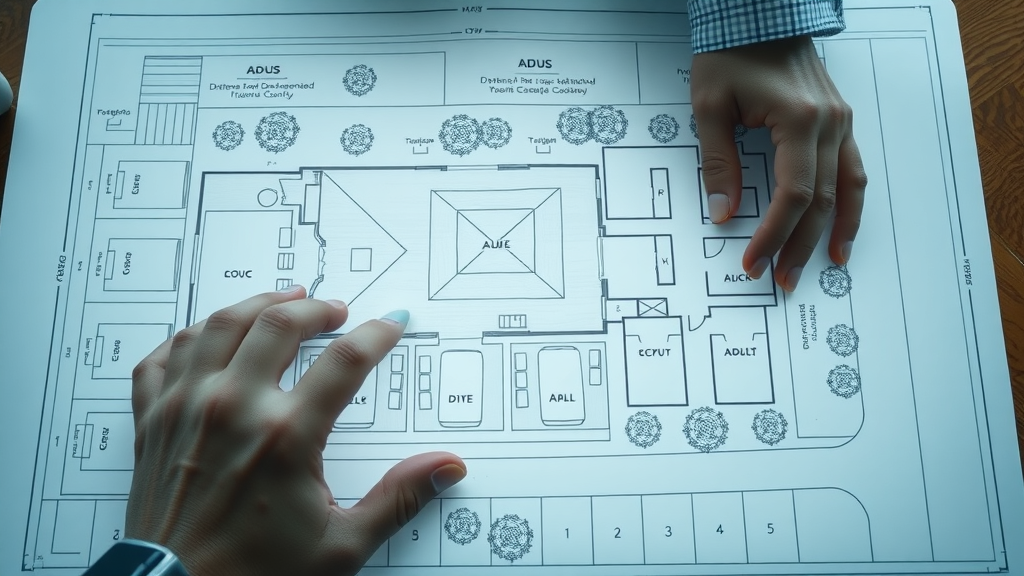
The first legal step towards building an ADU in Lafayette is a thorough assessment of your property’s capacity to support a compliant accessory dwelling unit. This involves reviewing your lot size, overall footprint of existing structures, available open space, and proximity to property lines. Experienced property assessors use detailed floorplans and site measurements to verify that you can meet setbacks, height restrictions, and utility access required by lafayette adu zoning laws.
Don’t overlook utility lines, easements, or steep terrain, all of which can impact dwelling unit placement. Additionally, some residential zones may have unique restrictions or guidelines depending on historical overlays or neighborhood design standards. A pre-emptive review—sometimes called a zoning clearance or site analysis—can highlight potential issues before you invest in architectural plans or permit fees. Engage a professional who is versed in Lafayette’s local regulations to optimize your design and reduce the risk of costly setbacks.
ADU Permit Application and Approval Process

After confirming your site is compliant, the next step is beginning the official adu permit application with the City of Lafayette. This process requires submitting architectural plans, a detailed site map, proof of ownership, and other relevant documents (see below). Applications are reviewed for adherence to all zoning, design, and safety criteria outlined by the city’s residential zoning district and building department. For more complex projects or locations in sensitive zoning areas, a public hearing may also be required.
Approval timelines can vary, but being meticulous and providing all requested documents speeds the process. Many applicants are tripped up by missing setbacks, incorrect lot coverage calculations, or failing to resolve prior code violations. During the application review, city officials may request adjustments or additional information. Prompt responses keep your gains intact and prevent interruption or rejection.
Essential Documents Needed for a Building Permit in Lafayette
To secure a building permit for your accessory dwelling unit in Lafayette, prepare the following key documents:
- Completed ADU permit application form
- Architectural plans (to scale, showing floor layouts and elevations)
- Site plan (illustrating lot lines, existing/proposed structures, and setbacks)
- Proof of property ownership
- Energy compliance forms (Title 24/CALGreen, if applicable)
- Stormwater and grading plan (if altering landscape or ground cover)
- Utility connection details
Some projects may also require soil reports or environmental assessments, especially in special zones. Having a complete file—and checking updates on the city of Lafayette permit portal—can help your project sail smoothly through approval, putting you one step closer to final inspection and occupancy certification.
Lafayette ADU Regulations: Parking, Utilities, and Local Requirements
Parking Requirements and Exceptions

One sticking point in many ADU projects is compliance with parking requirements. Lafayette generally mandates one dedicated parking space per ADU, which may be located on a driveway, carport, or garage. However, important exceptions exist—units located within one-half mile of public transit, within historic districts, or inside the existing footprint of the main or accessory dwelling are typically exempt from new parking requirements. If a garage or carport is converted to an ADU, replacement parking may need to be provided elsewhere on the property.
You also need to ensure the parking configuration meets local regulations, respects setbacks, and does not encroach on city rights-of-way. Parking miscalculations or violations are common reasons for permit rejections, so review the specifics with planning officials early in your project. Creative solutions—such as shared driveways or tandem parking—can sometimes satisfy local standards if space is limited.
Utility Connections and Impact Fees
Utility connections are another crucial (and sometimes costly) requirement for ADUs in Lafayette. Each dwelling unit must have access to water, sewer, electricity, and gas. In some cases, you may be required to install separate meters, especially if the ADU will be rented as a separate living space. This can impact project budgets, so review requirements with local utility providers in the planning stage.
Another expense to anticipate is impact fees. For smaller ADUs (less than 750 sq ft), cities may waive or significantly reduce school and park impact fees. Larger units, or those not created through conversion of existing space, may face additional costs. Understanding these nuances not only informs your design decisions but can save you thousands in upfront costs and future disputes with the local government.
Short-Term Rental Restrictions for Dwelling Units
Lafayette enforces strict rules regarding short-term rentals—typically defined as rentals fewer than 30 consecutive days. Most ADUs and JADUs are not eligible for use as short-term vacation rentals per ADU regulations. Violating term rental rules can lead to fines and mandatory discontinuation. This policy is designed to protect neighborhood stability, preserve affordable housing, and prevent speculative real estate practices. Always confirm the city's latest ADU regulations before listing your unit for short-term rental or transitioning to new occupancy uses. Long-term rentals are generally allowed, sometimes with additional city licensing requirements.
Top Mistakes Homeowners Make Under Lafayette ADU Zoning Laws
- Overlooking setback restrictions
- Ignoring maximum ADU unit counts
- Misjudging parking requirements
- Missing deadlines for permit filing
"Consulting with an expert on Lafayette ADU zoning laws early can save months of headaches—and thousands of dollars."

Many homeowners jump into building an ADU without a clear understanding of zoning, parking, or occupancy limits. Missing setback restrictions is especially common—just a few feet of misplacement can result in denied permits or forced demolition. Failing to check the number of accessory dwelling units permitted, especially after recent zoning code changes, can also lead to costly errors. Parking regulations are sometimes underestimated: not providing adequate or compliant spaces can halt an otherwise well-designed ADU project.
Another frequent mistake is missing permit application deadlines, which can delay timelines by months, especially when public hearings or plan reviews are already backlogged. Experienced ADU professionals recommend thorough research and expert consultation before submitting any plans. This can mean the difference between smooth approval and expensive, drawn-out corrections.
Special Programs: Grant Program & Incentives for Accessory Dwelling Units
Overview of Local and State ADU Grant Programs

To encourage the creation of accessory dwelling units, both the state of California and the City of Lafayette have launched ADU grant programs. These can offset the high upfront costs of construction, particularly for low- to moderate-income families seeking to add affordable housing. Typical grant programs provide funds for project feasibility studies, permit fees, and utility upgrades. Recent years have seen escalating interest in these incentives—be sure to check the latest application guidelines and deadlines, as funds are often awarded on a first-come, first-served basis.
Local programs may target specific neighborhoods or offer bonuses for sustainable building or universal design. Contact the city of Lafayette housing division or consult online resources to identify grants for which your project may qualify. Successful ADU grant recipients can save thousands, making an ADU project more affordable and attractive for a wider range of homeowners.
How to Qualify for an ADU in Lafayette Grant Program
Qualifying for an ADU grant program typically requires meeting several criteria. You’ll need to demonstrate that your project addresses local housing needs, complies with all Lafayette ADU zoning laws, and meets income or occupancy targets set by the funding agency. Proof of property ownership, a detailed construction plan, and a clear budget are standard requirements. Some programs may prioritize projects offering affordable rental options, universal accessibility, or sustainable design.
Once you gather your documentation, submit your application through the designated city or state portal. Keep in mind that grant funds are limited and competition is stiff. Working with an expert or architectural firm familiar with ADU projects and grant submissions can improve your chances of success. Continuous monitoring of program updates ensures you don’t miss new opportunities or critical deadlines.
People Also Ask: Lafayette ADU Zoning Frequently Answered Questions
How Close to the Property Line Can I Build an ADU in Lafayette?
According to lafayette adu zoning laws, detached ADUs must maintain at least a 4-foot setback from the rear and side property lines. This ensures privacy and fire safety standards are met. However, attached ADUs or converted garage units may have different requirements based on zoning district, the configuration of your lot, and neighborhood overlays. Always consult the city’s planning department for exact setback distances before finalizing your building plans.
What Is One Drawback of an ADU?
While ADUs offer flexible housing options, one significant drawback can be the initial cost and complexity of the permitting and construction process. Meeting all Lafayette ADU zoning laws for setbacks, utility connections, and parking often means additional expenses or delays. Additionally, some homeowners find that managing tenants or increased use of shared spaces poses challenges. Balancing long-term benefits with up-front hurdles is key when considering this investment.
Are ADUs Allowed in Louisiana?
Yes, ADUs are allowed in parts of Louisiana—including the City of Lafayette—provided you comply with local zoning and building regulations. The city has its own set of guidelines detailing where, how, and what types of accessory dwelling units can be constructed. Always review local laws to ensure your project is eligible before proceeding, as requirements can differ significantly between districts and municipalities.
Expert Insights on Lafayette ADU Zoning Laws
"The difference between a successful ADU project and a costly mistake is knowing the Lafayette zoning codes inside and out." – Local ADU specialist
Experienced ADU builders and architects strongly advise seeking guidance from professionals who are well-acquainted with Lafayette zoning codes. Their expertise can help you anticipate potential obstacles, address all requirements, and secure approvals quickly. It’s the surest way to turn a potential zoning minefield into a smooth, rewarding housing project.
FAQs: Lafayette ADU Zoning Laws
- Can I rent out my accessory dwelling unit short-term in Lafayette?
Answer: Short-term rentals (less than 30 days) are generally prohibited for ADUs in Lafayette. Long-term rentals are typically allowed with proper compliance to zoning and licensing standards. - How does Lafayette define an accessory dwelling unit?
Answer: An ADU is a self-contained housing unit with sleeping, cooking, and bathroom facilities, located on the same lot as a primary residence and built to comply with local zoning and building codes. - What is the process if my ADU permit is rejected?
Answer: If your ADU permit is denied, review the city’s feedback. You may resubmit the application after correcting errors or non-compliant features. Consulting an ADU expert or local planner can speed up approval. - Are utilities required to be separate for each ADU?
Answer: Not always, but separate utility meters may be required for rental ADUs. Final requirements depend on intended use, project design, and city utility policies.
Key Takeaways: Navigating Lafayette ADU Zoning Laws
- Thoroughly review Lafayette ADU zoning laws before starting your project.
- Address all setback, parking, and occupancy requirements.
- Apply for relevant grant programs to save on costs.
- Consult experts to avoid common pitfalls and legal challenges.
Conclusion: Start Your Lafayette Accessory Dwelling Unit Project with Confidence

Lafayette’s ADU zoning laws may be complex, but with the right knowledge and guidance, you can navigate them confidently and unlock exciting new housing possibilities. Don’t let preventable mistakes stop you from expanding your home and community impact.
Contact the Experts on Lafayette ADU Zoning Laws
Ready to take the next step? You can reach out to U.S. Accurate Construction at (925) 385-7099 for a personalized ADU project consult—turn your vision into reality, hassle-free.
A step-by-step visual demonstration of the Lafayette ADU zoning and permitting process, featuring 3D renderings, site visits, key paperwork checkpoints, and interviews with local experts.




Write A Comment