 Add Row
  Add
Add 



Did you know demand for accessory dwelling units in Lafayette has increased by over 40% since 2020? This surge is transforming how homeowners and investors see their properties. Whether you’re a Lafayette resident looking to boost property value, generate extra income, or provide flexible living space, understanding Lafayette accessory dwelling unit requirements is more vital than ever. This comprehensive 2023 checklist breaks down everything you need to know—so you can approach your next ADU project with clarity and confidence.

A Surprising Surge in Lafayette Accessory Dwelling Units
"Did you know demand for accessory dwelling units in Lafayette has increased by over 40% since 2020? Understanding Lafayette accessory dwelling unit requirements has never been more vital for homeowners and investors."
Interest in accessory dwelling units (ADUs) has hit an all-time high across Louisiana—and especially in Lafayette. More homeowners are recognizing the value of adding a detached ADU or converting existing space to create independent dwelling units that can house family, provide rental income, or increase property flexibility. However, as popularity grows, so does the importance of understanding every relevant Lafayette accessory dwelling unit requirement. From zoning district clarification to precise building permits, Lafayette property owners must navigate a web of regulations to get their ADU plans approved and built efficiently.
Why the trend? It’s not just about square feet. With rising housing costs, multi-generational living, and tighter neighborhoods, ADUs offer sustainable solutions for families and investors alike. But strict adherence to building permit rules, setback laws, and design standards is essential. Missing even a minor Lafayette accessory dwelling unit requirement can mean costly delays or denied permits. That’s why this guide demystifies the full process—from initial zone district research to final utility hookups—so you can succeed at building an ADU in Lafayette.
What You'll Learn in This Guide on Lafayette Accessory Dwelling Unit Requirements
- The complete checklist to meet Lafayette accessory dwelling unit requirements
- Planning, zoning, and building code factors for accessory dwelling units
- Step-by-step processes for permits and compliance
- Tips to streamline building an ADU in Lafayette
- Common pitfalls and FAQs regarding dwelling unit regulations

Understanding Lafayette Accessory Dwelling Unit Requirements
What is an Accessory Dwelling Unit? (ADU) vs. Accessory Unit
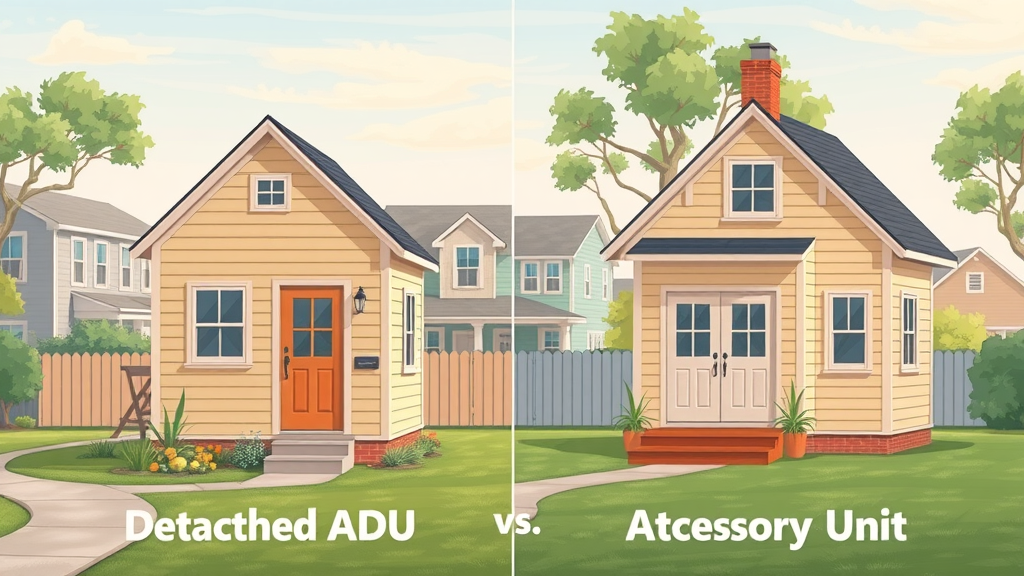
An accessory dwelling unit (ADU) is a self-contained living space that exists on the same property as a primary residence. It’s more than just a simple spare room: a proper ADU includes a kitchen and bathroom, has its own entrance, and meets specific Lafayette accessory dwelling unit requirements that distinguish it from other types of accessory units, such as guest suites or finished basements. The main difference? An ADU is considered a legal, independent dwelling unit, often designed for long-term habitation by tenants, family, or caregivers, complete with all amenities needed for independent living.
By contrast, an accessory unit is a broader term encapsulating any secondary living space within a property’s boundaries. This might include a converted garage, a basement suite, or an in-law apartment. However, unless these spaces include a separate kitchen and external entrance and meet all local building and zoning standards, they may not qualify as true ADUs under Lafayette’s regulations. When building an ADU, property owners must meet strict standards for space, utilities, safety, and privacy—making detailed compliance with Lafayette accessory dwelling unit requirements absolutely necessary.
Are ADUs Allowed in Lafayette, Louisiana?
Yes—ADUs are allowed in Lafayette within certain zoning districts and under clear guidelines. Since 2020, the city of Lafayette has expanded its stance, allowing a broader range of ADU types across more neighborhoods. However, project approval hinges on careful compliance with the area’s zoning district rules, building permits, and property line setbacks. Before investing in plans or construction, always verify that your lot’s zoning allows for an accessory dwelling unit. Existing multifamily properties have their own set of special requirements. Researching these restrictions up front is the key to avoiding setbacks in your ADU project.
Keep in mind, while many areas in Lafayette are welcoming to ADUs, others—particularly some residential zoning districts—may prohibit them altogether or apply additional rules. Factors like lot size, proximity to property lines, and ADU size limitations can all impact whether your project is green-lighted by local government. Don’t start construction without written confirmation from Lafayette’s planning department that your ADU in Lafayette can move ahead.
Key Permit Steps for Building an ADU in Lafayette
The ADU Permit Application Process in Lafayette

Securing an ADU permit is often the most detail-oriented phase when you’re building an ADU in Lafayette. The process starts by reaching out to the Lafayette planning and permitting department and determining which zone district and residential zoning district the property falls under. Applicants must submit detailed site and construction plans (commonly known as an ADU plan), demonstrating the ADU’s compliance with city codes, size limits, and design standards. Be ready to include property surveys, setbacks, proof of ownership, and sometimes even neighbor notification or a public hearing for unique cases.
Once documentation is reviewed, you’ll usually receive conditional approval—pending a thorough review of your building permit applications and supporting materials. Don’t overlook the importance of providing an accurate plan that shows the ADU’s square feet, utility hookups, parking allocations, and full architectural details. Even if you’re working with a contractor, it’s your responsibility as the property owner to confirm that all Lafayette accessory dwelling unit requirements are met in your application.
Essential Building Permits and Documentation for Accessory Dwelling Units
No accessory dwelling can be legally built without a valid building permit. The Lafayette building permit process requires the submission of professionally drawn ADU plans, full engineering reports (if applicable), a zoning compliance certificate, and detailed site plans showing property lines and setbacks. Homeowners must also demonstrate the ADU’s access to municipal utilities and provide an estimate of the square feet for both the primary and the proposed dwelling units.
Be prepared to submit:
- ADU site, floor, and elevation plans
- Proof of lot size and setbacks from each property line
- Verification of compliance with design standards
- Details on parking requirements and driveway modifications
- Potential architectural review in historic or restricted zones
Zoning and Zone District Rules for Lafayette Accessory Dwelling Unit Requirements
Zone Districts Permitting Accessory Dwelling Units

Zoning is the foundation of every Lafayette accessory dwelling unit requirement. Only certain zone districts permit the addition of accessory dwelling units. Generally, most single-family residential zoning districts allow for ADUs, but the specific boundaries and permitted uses change from neighborhood to neighborhood. Current Lafayette rules typically restrict ADUs to Residential (R-1, R-2, R-3) and select Multifamily districts; it’s rare for commercial or strictly industrial zones to qualify.
It’s essential to review the official Lafayette zoning map or consult the planning department to confirm your address sits within an eligible zoning district. Recent updates have occasionally expanded the allowed areas for ADUs, but always double-check before advancing to the design or permit stages. For owners of multi-unit properties, adding an additional dwelling unit or converting existing space may trigger more complex compliance checks—so factor in multi-family and special overlays when developing your ADU plan.
Setback and Property Line Rules: How Close Can You Build an ADU?
Setbacks are a cornerstone of Lafayette accessory dwelling unit requirements. These rules define how close your new detached ADU or converted accessory dwelling can be built in relation to the property line, neighbor structures, and public rights-of-way. Most residential zoning districts in Lafayette require a minimum five-foot setback from both the side and rear property lines. However, zones with unique layouts or historic overlays may have different restrictions.
Before finalizing construction plans or submitting your building permit application, reference your property’s lot survey to establish exact boundaries. Ask the local government planning department if there are any exceptions, such as for alley access, corner lots, or attached vs. detached ADUs. Violating setback rules is one of the most common (and costly) ADU mistakes, often resulting in required modifications, fines, or denied occupancy permits.
Design, Size & Square Feet: ADU Plan Essentials in Lafayette
Allowed ADU Size and Square Feet Limitations
What’s the maximum size for an ADU in Lafayette? Depending on your zone district and lot size, local standards generally limit ADUs to between 500 and 1,200 square feet. For lots with large backyards, you may qualify for a detached ADU at the upper end of the scale, while attached ADUs could be constrained to a percentage of the main dwelling unit’s size. It’s always best to consult the city’s published standards or work directly with an architect familiar with Lafayette’s ADU size rules.
Remember: exceeding the allowed square feet not only violates building codes, but can also impact the number of approved parking spaces, proximity to property lines, and utility infrastructure requirements for your project. Review the table below for a side-by-side snapshot of Lafayette ADU size rules.
| ADU Type | Minimum Square Feet | Maximum Square Feet | Notes |
|---|---|---|---|
| Detached ADU | 500 | 1,200 | Populates backyard; subject to lot size & zone district |
| Attached ADU | 300 | Up to 800 or 40% of main house | Converted garage, basement, or in-law suite |
Design Standards for Detached Accessory Dwelling Units
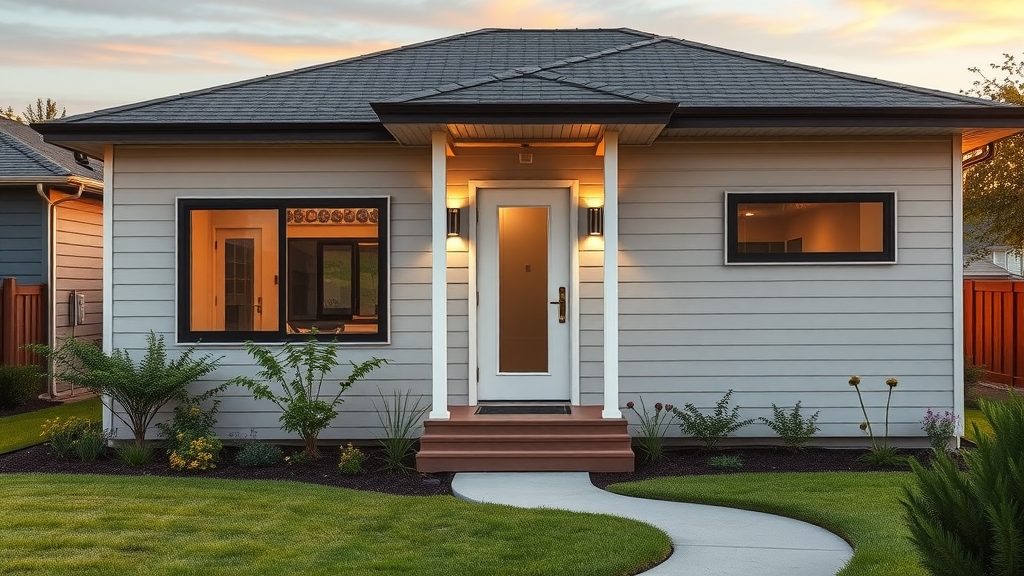
Lafayette upholds strict design standards to ensure new ADUs blend naturally into the neighborhood and maintain community aesthetics. Detached ADUs are usually required to visually complement the main dwelling’s architecture—meaning similar rooflines, window types, exterior finishes, and color palettes. Check with your local government or permitting office for any unique restrictions for your block or neighborhood, especially if near historic districts or homeowner associations.
Enforcing harmony between main homes and ADUs not only supports community cohesion but can also speed permit approval. Working with a designer who understands Lafayette’s building code will help ensure your plan meets both the letter and spirit of current regulations.
Sample Approved ADU Plans for Lafayette
Several pre-approved ADU plans exist for Lafayette, streamlining the ADU permit process for qualified property owners. These sample plans consider local setback, square feet, and architectural harmony requirements—making them an excellent starting point for applicants who want to avoid costly design revisions. Inquire with the planning department for a catalog of current models or consider working with an architect experienced in Lafayette ADU projects.
Choosing a pre-approved design can reduce the risk of failed inspections or project delays and offer tested solutions for utility connections, living space comfort, and privacy. For both detached ADUs and converted internal units, sample plans can provide peace of mind and predictable construction costs.
Parking Requirements and Utility Connections for Accessory Dwelling Units
Parking Requirements for ADUs in Lafayette
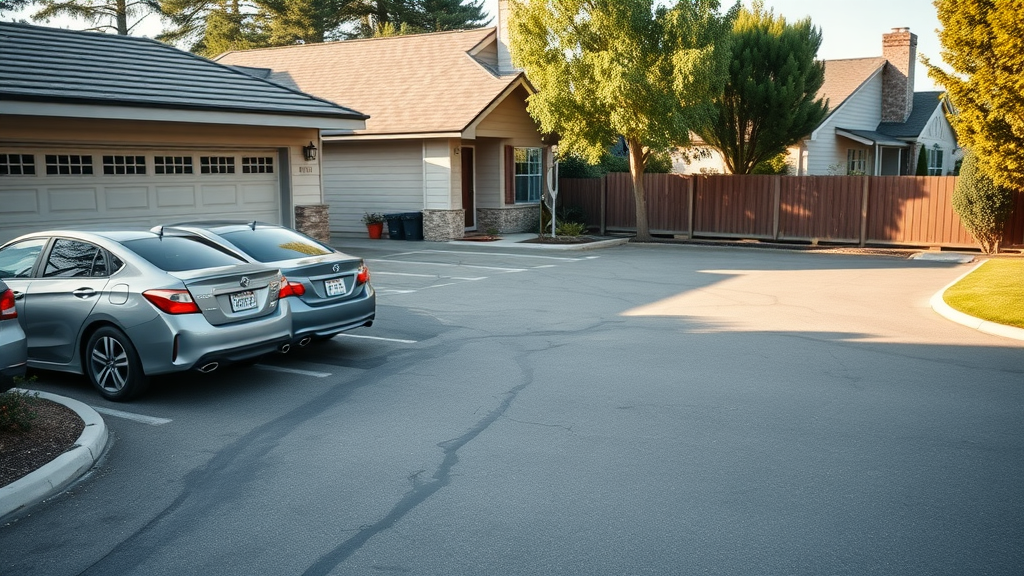
Meeting parking requirements is another key Lafayette accessory dwelling unit requirement. Most Lafayette neighborhoods require at least one dedicated off-street parking space for each new ADU unless exceptions apply (such as proximity to public transit corridors). When planning your ADU plan, factor in possible driveway expansions, garage conversions, or the addition of paved surfaces.
Always present a clear parking layout in your permit application, showing how the new dwelling unit’s vehicles will fit onsite without blocking sidewalks or violating city code. Proper planning prevents permit delays and ensures positive neighbor relations.
Utilities and Infrastructure for New Dwelling Units

Every new ADU in Lafayette must connect safely and lawfully to municipal utilities, including water, sewer, and electricity. Existing utility lines may require upgrades to accommodate additional load, so coordinate with the city and licensed professionals to assess infrastructure needs early in the design process. If your property does not currently support expanded loads, utility improvements and meter installations could add to project costs.
To qualify for full occupancy, your ADU must feature independent utility controls and ensure water, gas, and power are safely routed and metered according to code. For many homeowners, working with an experienced contractor or design-build firm can simplify compliance and avoid costly rework or inspections.
Financing Your Lafayette ADU: Grant Programs and Common Costs
Available Grant Programs for Accessory Dwelling Units

Did you know you may qualify for a grant program to help finance your ADU in Lafayette? Several city and state initiatives have introduced ADU grant programs targeting low- and moderate-income homeowners, aging in place, and the creation of affordable rental units. Most offer partial funding to offset building permit fees, utility connections, or construction costs.
To maximize your chances, apply early and have your project fully designed before submitting. Work with a financial advisor or local government liaison who understands which grants match your situation. Many programs require the new dwelling unit to be deed restricted for affordable housing or prohibit short-term rentals, so read the fine print before relying on this funding route.
Typical Costs for Building an ADU in Lafayette
On average, building an ADU in Lafayette ranges from $100,000 to $300,000 depending on type (detached vs attached), size, finishes, and site conditions. Financing options include home equity loans, cash-out refinancing, or specialized ADU grants. Factor in the price of design, permits, impact fees, utility upgrades, and site work.
To avoid overruns, obtain multiple contractor estimates, verify scope and allowed ADU size, and plan for the full permit process. Many costs stem from last-minute design changes, unknown site complexities, or incomplete permit documentation—so start with a checklist and work with local ADU experts whenever possible.
Common Challenges and Drawbacks When Building an ADU
"While ADUs provide incredible long-term value, careful attention to Lafayette's accessory dwelling unit requirements is essential to avoid project delays and extra costs."
Some homeowners underestimate the complexity of Lafayette accessory dwelling unit requirements. Common pitfalls include zoning violations, miscalculated setbacks, unclear ADU size, or incomplete plans. Permitting can take longer than anticipated, especially in historic areas or neighborhoods with strict design standards. Construction costs may rise if utility connections prove difficult or unique soil conditions are discovered. Delays can also stem from incomplete paperwork, missed public hearing notifications, or neighbor objections. By anticipating these challenges, you can sidestep many of the drawbacks that trip up first-time ADU builders.
Remember, each project is unique—so even experienced homeowners benefit from a clear, actionable checklist tailored to Lafayette’s evolving regulations. Make compliance your top priority at every step.
Expert Tips and Best Practices for Meeting Lafayette Accessory Dwelling Unit Requirements
- Consult the Lafayette planning department early
- Review multiple ADU plan options and size limits
- Double-check zone district and setback restrictions
- Prepare all building permit materials in advance
Following these best practices simplifies the adu permit process, helps anticipate costs, and ensures compliance with Lafayette accessory dwelling unit requirements.
People Also Ask: Lafayette Accessory Dwelling Unit Requirements
What is the difference between an accessory unit and an ADU?
Answer: An accessory unit refers generically to any secondary living space on a property, such as a guest house, garage conversion, or in-law suite. An ADU (accessory dwelling unit) is a legal, independent dwelling unit with its own kitchen, bathroom, and external entrance, built according to Lafayette accessory dwelling unit requirements.
Are ADUs allowed in Louisiana?
Answer: Yes, ADUs are allowed in many parts of Louisiana, including Lafayette. However, strict Lafayette accessory dwelling unit requirements and zone district rules must be observed.
How close to the property line can I build an ADU?
Answer: Lafayette has specific setback rules for accessory dwelling units. Most ADUs must be built at least five feet from side and rear property lines, but it's crucial to verify with your zone district's standards.
What's one drawback of an ADU?
Answer: One notable drawback of ADUs is the potential for increased permitting complexities and construction costs, especially if Lafayette accessory dwelling unit requirements are not closely followed.
FAQs: Lafayette Accessory Dwelling Unit Requirements
-
Do ADUs increase property taxes in Lafayette?
Yes, adding an ADU may increase your property’s assessed value and thus property taxes. Always check with the Lafayette assessor’s office for specifics. -
Can I rent out my ADU as a short-term rental?
Short-term rental rules vary throughout Lafayette. While long-term rental is generally permitted, short-term rental may be prohibited in some residential zones. Confirm with local ordinances. -
What inspections are required for ADUs?
Your ADU project will undergo foundation, framing, electrical, plumbing, and final occupancy inspections as part of the standard building permit process. -
Is owner occupancy required for ADUs in Lafayette?
Some Lafayette neighborhoods require that the property owner live in either the main house or the ADU—double-check current rules with your city planner.
Key Takeaways for Lafayette Accessory Dwelling Unit Requirements
- Always confirm zone district and ADU size limitations
- Collect all necessary building permit information in advance
- Understand Lafayette’s unique parking and utility rules
- Seek out potential grant programs to help with costs
Conclusion and Next Steps: Simplify Your Lafayette Accessory Dwelling Unit Project
With the right information and a detailed checklist, you can navigate Lafayette accessory dwelling unit requirements and unlock the full potential of your property—whether for extra income, flexible living space, or long-term value.
Ready to Start Building Your ADU in Lafayette?
"Building an ADU can boost your property’s value and flexibility—just be sure your project fully aligns with Lafayette accessory dwelling unit requirements."
Take the next step: consult a local planning expert, finalize your ADU plan, and submit your permit application. With careful preparation, your new dwelling unit can enhance both your property’s value and quality of life.




Write A Comment