 Add Row
  Add
Add 



Hook: Did you know that over 15,000 accessory dwelling units were permitted in California in 2023—representing a 200% surge from just three years earlier? California’s housing landscape is transforming, and ADUs (Accessory Dwelling Units) are at the center of this unprecedented change. If you’re a builder, homeowner, or real estate investor searching for the latest on ADU construction guidelines California 2023, you’re in the right place. This guide will walk you through the essential new laws, requirements, and financial incentives shaping ADU construction in the Golden State.

Startling Facts: The Unprecedented Rise of Accessory Dwelling Units in California
Why 2023 Is a Landmark Year for ADU Construction Guidelines in California
In 2023, ADU construction in California reached record heights. Fueled by housing shortages, state incentives, and dramatic legislative reforms, ADU laws have never been more relevant—or beneficial—for property owners and builders alike. The rise in ADU permits signals a seismic shift towards more flexible, affordable, and sustainable housing. Key bills have drastically simplified ADU permit processes, spurred development in both urban and suburban areas, and ignited newfound interest among real estate professionals. These shifts mean faster approval times, fewer bureaucratic hurdles, and more accessible pathways for building an accessory dwelling unit.
“In 2023, over 15,000 accessory dwelling units were permitted in California—a 200% increase from just three years ago.”
Builders across the state, from Los Angeles to San Francisco to Sacramento, are adapting to the evolving california adu law landscape. This growth is being fueled not only by state-level legislative changes but also by a huge demand for flexible living arrangements—whether it’s multigenerational family setups or homeowners seeking additional rental income. As a builder or property owner, understanding the current ADU construction guidelines California 2023 is essential to capitalize on these unprecedented opportunities and avoid costly compliance mistakes.
What You’ll Learn in This Comprehensive Guide to ADU Construction Guidelines California 2023
- Key elements of ADU law and recent legislation changes
- Essential ADU permit requirements for 2023
- Detailed setback and zoning laws in California for accessory dwelling units
- Opportunities including the $40,000 grant in California for ADUs
- Step-by-step guide to ADU plans, approvals, and best practices
Overview: Understanding ADU Construction Guidelines California 2023
What Defines an Accessory Dwelling Unit (ADU) and a Junior ADU (JADU)?
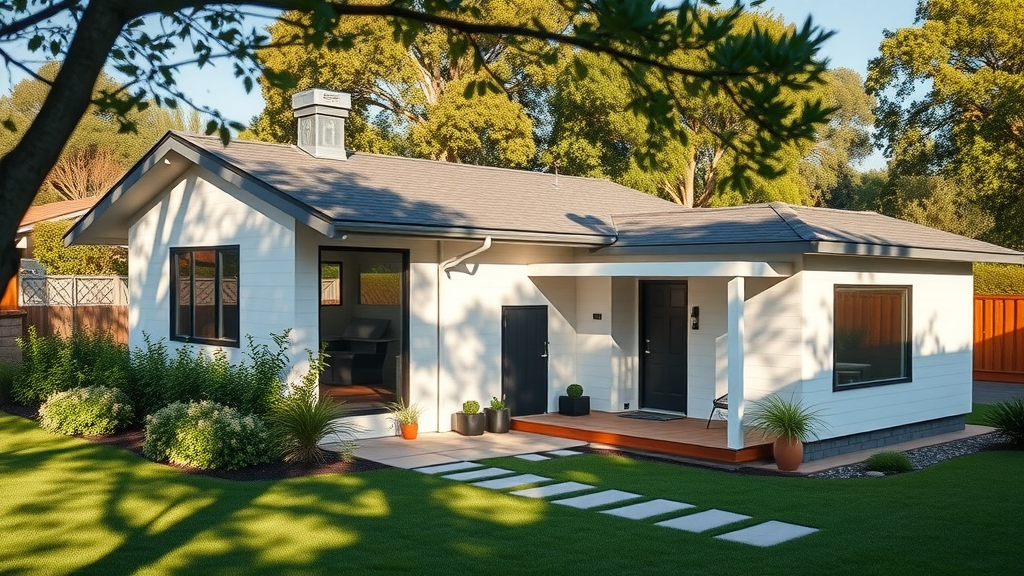
At their core, ADUs—sometimes called granny flats—are fully functional secondary housing units located on the same lot as a primary residence. A junior accessory dwelling unit (JADU) is a smaller, more compact version, often created by converting an existing space within the main home, such as a garage or spare bedroom. Both types are subject to California ADU law, opening new doors for affordable housing, multi-generational living, or extra rental income.
ADUs and JADUs are crucial components of California’s strategy to combat its housing crisis. They can be attached to the main home, detached in the yard (a detached ADU), or even built above a garage. Understanding the differences between an ADU, a JADU, and traditional dwelling units is vital when preparing your adu plans or seeking an adu permit in 2023.
Key Terms: Dwelling Unit, Accessory Dwelling, and California ADU Law
For builders and homeowners, clear definitions under current laws in California matter. A dwelling unit refers to any residential space with living, cooking, sleeping, and sanitation facilities. An accessory dwelling unit is a secondary, independent living facility sharing a parcel with a single-family home or multifamily building. California ADU law mandates that these units are not just backyard cottages—ADUs can be attached, detached, or interior conversions (like a finished basement or garage transformation).
Junior ADUs (JADUs) provide another option, limited to 500 square feet and required to be contained within the walls of an existing single-family residence. In 2023, rules governing accessory dwelling units and JADUs are modeled to streamline reviews, override certain local ordinances, and create faster tracks for approved ADU construction.
| Unit Type | Definition | Typical Size Limit | Main Features |
|---|---|---|---|
| ADU | Separate residential unit, attached or detached from main home | Up to 1,200 sq. ft. (varies by city) | Full kitchen, bath, independent entrance |
| JADU | Converted space within primary residence | Up to 500 sq. ft. | Limited kitchen, shared or private bath |
| Traditional Dwelling | Primary residential home | No square footage cap | All amenities, primary structure |
ADU Law: New Regulations and ADU Laws in California 2023
Recent Assembly Bills Impacting ADU Construction Guidelines California 2023
Several pivotal assembly bills have redefined the landscape for adu construction in California. Assembly Bill (AB) 2221 and Senate Bill (SB) 897, for example, further accelerate the ADU permit process and clarify ambiguous local requirements that previously delayed projects. These state law updates force cities and counties to comply with the streamlined statewide ADU laws, reducing resistance at the municipal level and shortening project timelines. Builders and property owners need to stay up-to-date with these laws in CA to confidently submit plans and navigate the ADU approval process.
By aligning with California ADU law, these bills ensure accessory dwelling units can be constructed more easily in both single-family and multifamily zones. The effect is profound: property owners see fewer arbitrary denials, while builders can focus on delivering cost-effective, code-compliant ADUs that pass inspection the first time. The integration of new adu laws and revised local ordinances provides a predictable, fair pathway for ADU construction and gets more dwelling units onto the market.
Summary of Critical Changes to ADU Laws in CA This Year
- Bill timelines and compliance deadlines: Cities must review and act on complete ADU applications within 60 days.
- Impact on multifamily and single-family zoning: Allows more than one ADU per lot, plus JADUs for qualifying properties.
- Effect on ADU permits and approvals: Streamlined approvals, dramatically reduced fees, and common-sense waiver of certain local restrictions.
“The 2023 updates to ADU laws in California have streamlined approval processes and opened new funding possibilities for homeowners and builders alike.”
In summary, california adu law in 2023 means fewer hoops, more transparency, and significant cost savings for qualified projects. Whether you’re pursuing a solo backyard build or working as a developer on multifamily real estate projects, compliance with the most current adu construction guidelines california 2023 is crucial for timely, successful outcomes.

Key ADU Construction Requirements: Permits, Plans, and Zoning
How to Secure an ADU Permit: Step-by-Step California ADU Law Compliance
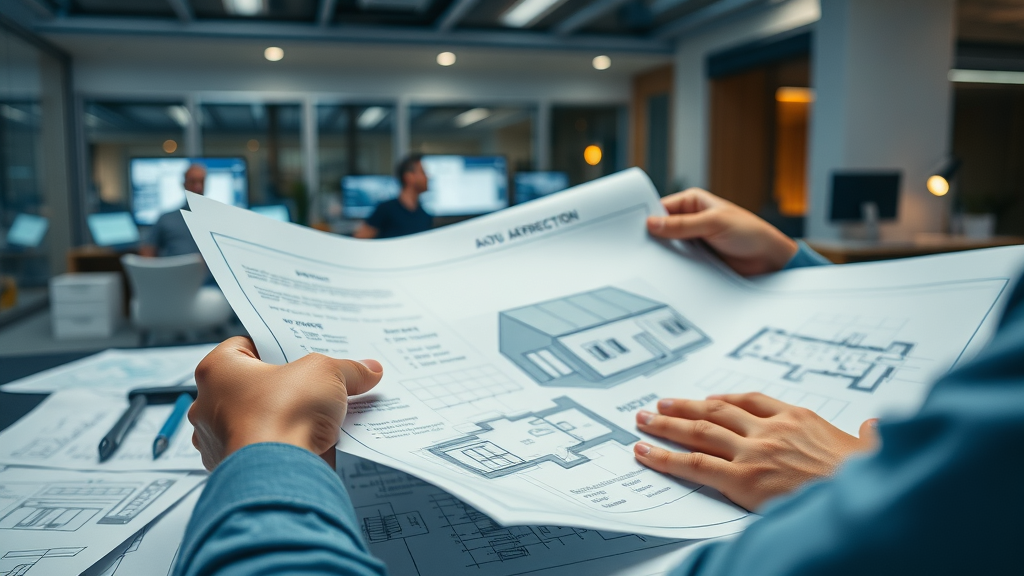
Securing an adu permit in California is now more straightforward, thanks to updated statewide requirements. The first step is to review your city or county’s local ordinance, but in nearly all cases, state law overrides more restrictive local rules. Begin by preparing a thorough adu plan—including floor plans, site and elevation drawings, and a clear description of materials and systems to be used in the proposed accessory dwelling unit. Once your plan is ready, complete the relevant application forms through your local planning department.
The planning department is required to review your ADU plans and issue an approval or a return for correction within 60 days. All adu permit applications must comply with state-mandated size limits, setbacks, height restrictions, and parking rules (which have been relaxed or waived in many zones). Utility connections and fire safety reviews are also critical stages. The key to smooth approval is providing complete, state-compliant documentation from the outset and responding promptly to any clarifications your city requests.
ADU Plan Submission: What Builders Must Include in 2023
To avoid project delays or denials, builders must include specific documents and details when submitting adu plans for approval in 2023. These include a detailed site plan showing property boundaries, setback measurements, and all existing structures; complete architectural drawings; energy compliance statements; and engineering specifications where required. Demonstrate adherence to both state law and local code, covering not only space and placement but also utilities, privacy, and design compatibility with the primary residence.
Remember, some cities provide pre-approved ADU plan sets, allowing for faster project reviews if you stick to the templated options. Whether you go custom or use an approved ADU design, work closely with your local planning and building officials. This collaboration is vital under new laws to ensure inspections go smoothly and your final construction sign-off is as hassle-free as possible.
“Understanding approved ADU plans and working with your local planning department is essential for a successful build under new laws in California.”
Site and Setback Rules: Navigating Dwelling Unit Placement for ADU Construction Guidelines California 2023
ADU Setback Requirements in California: 2023 Updates
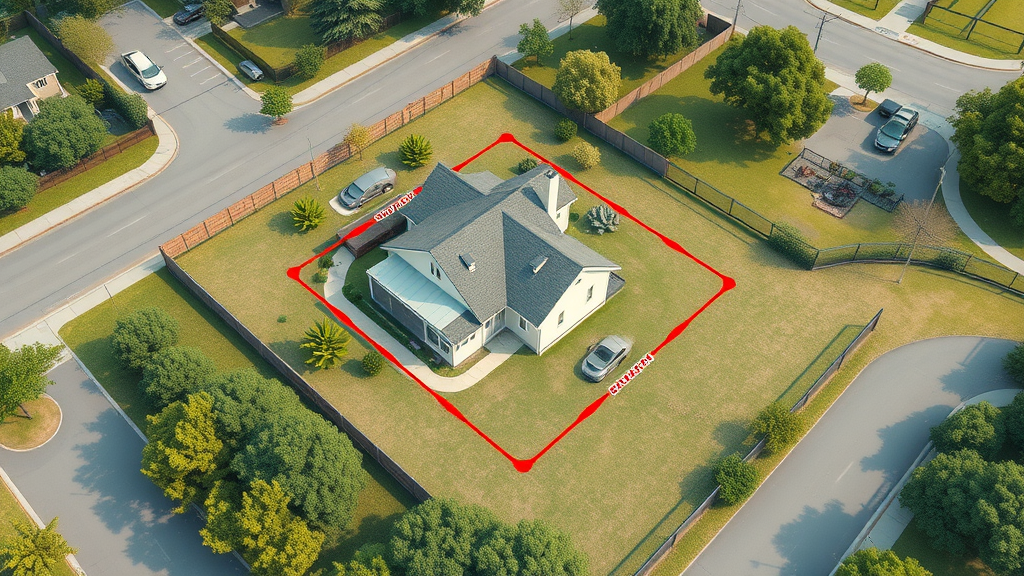
One of the most frequently asked questions about adu construction guidelines California 2023 involves setback requirements—the mandatory minimum distance between your ADU and property lines. The 2023 law sets the minimum rear and side yard setback for most ADUs at 4 feet. In single-family zones, this simplifies the process and expands the range of lots eligible for an approved ADU. However, some exceptions exist for pre-existing structures or unusual lot configurations, so it’s essential to cross-reference both state and your local ADU ordinance.
If your property is located in a fire hazard zone, a designated historic area, or a coastal zone, additional setback rules and approval steps might apply. Always check the latest guidance to avoid delays when building an ADU on such properties. Thorough documentation and communication with planning officials are your best shields against unintended violations.
Coastal Zone and Unique Zoning Considerations for Accessory Dwelling Units
Properties located within California's coastal zone face heightened regulations to protect sensitive coastal resources and viewsheds. ADU construction here typically involves an extra layer of permitting through the California Coastal Commission. Setbacks, height restrictions, and even design standards may be stricter than those for inland ADUs.
In addition, certain cities and counties maintain unique zoning overlays—like hillside districts, hazard zones, or historical preservation areas—that add more complexity to the adu permit process. Builders and owners should consult both state guidelines and local planners to develop a zoning-compliant ADU that avoids future code challenges. Awareness of local nuances is invaluable when drafting your adu plan and during final city inspection.
| Region | Side/Rear Setback | Additional Requirements |
|---|---|---|
| Urban, Non-Coastal | 4 ft. (minimum) | May use pre-approved ADU plans for faster permit |
| Coastal Zone | 4–10 ft. (varies by subzone) | Coastal Commission review required |
| Historic District | Case-by-case | Design restrictions, neighbor notification |
Incentives and Financial Support: The $40,000 Grant and Other Opportunities
How to Qualify for and Apply to California's $40,000 ADU Grant
California’s $40,000 ADU grant, rolled out by the California Housing Finance Agency (CalHFA), is a powerful incentive for property owners aiming to build an ADU in 2023. To qualify, applicants must meet certain income thresholds as published by CalHFA and ensure the property is their primary residence. The grant is designed to cover pre-development and soft costs, such as architectural design, permitting fees, and environmental studies, making it more affordable to bring an approved ADU project from idea to reality.
Homeowners interested in the grant should act quickly. The application opens periodically and demand far exceeds supply. Gather financial documents, proof of owner occupancy, preliminary adu plans, and submit a formal application through approved CalHFA lenders or the official website. Stay in communication with your lender to maximize your chances of receiving funds before the annual cap is reached.

Other Financing and Cost-Cutting Programs for ADU Construction
Beyond the grant, a host of financing options exist for California ADUs. Many municipalities offer low-interest loans for construction or soft costs, especially in high-need housing zones. Tax abatements in select cities can further offset costs for building an accessory dwelling unit. Municipal incentive programs, from expedited review lanes to fee waivers, are increasingly common—particularly in areas hit hardest by housing shortages.
Builders and property owners should explore these opportunities with local lenders, planning offices, and housing agencies to ensure they’re leveraging all available resources. In some cases, stacking incentives (combining a grant with a reduced-interest loan and city fee waiver) can make ADU projects nearly as affordable as minor home renovations.
- Low-interest loans
- Tax abatements
- Municipal incentives
Expert Tips and Best Practices for Builders: Ensuring Approved ADU Construction
Top Mistakes to Avoid When Navigating ADU Laws in California
With new ADU laws evolving rapidly, both new and experienced builders can trip over key mistakes. Chief among them: overlooking the most current local and state law requirements, failing to submit complete or accurate documentation, and neglecting neighborhood notification policies where required. Starting construction before receiving a final adu permit is a common pitfall that can result in stop-work orders and fines.
Another frequent error is not factoring in zoning nuances—such as building in a coastal zone or a district with unique setback requirements—or assuming that all pre-approved ADU plans apply statewide. Consulting an experienced designer or contractor familiar with the latest California ADU law is the surest way to guarantee you don’t miss critical compliance steps.

Checklist: Step-by-Step ADU Construction Guidelines for 2023
- Confirm property eligibility & zoning compliance
- Draft and refine complete adu plans
- Submit plans to local planning office for permit approval
- Secure required environmental, fire, and utility sign-offs
- Explore qualifying for the $40,000 state grant or municipal incentives
- Begin construction following approved plans & schedule inspections
- Obtain certificate of occupancy and commence use or rental
Video Walkthrough: Navigating the ADU Permit Process in California (2023)
Coming Soon: Step-by-step video explaining how to prepare, submit, and gain approval for your ADU permit under the latest California ADU laws and regulations.
People Also Ask: ADU Construction Guidelines California 2023
What is the new ADU law in California 2023?
Answer: The new ADU law in California 2023 introduces streamlined permitting processes, further reduces or eliminates impact fees on smaller units, and grants state-level authority to preempt restrictive local policies—making it easier and faster to build qualifying accessory dwelling units throughout the state.
What are the rules for building an ADU in California?
Answer: To build an ADU in California in 2023, you must follow updated zoning and setback rules, adhere to size limits, provide utility connections, and meet both state and local building safety codes. Detailed ADU plans and permit approvals are mandatory before construction.
What is the $40,000 grant in California for ADUs?
Answer: The $40,000 grant offers qualifying homeowners up to $40K toward pre-development and non-reimbursable soft costs, specifically to spur more ADU construction and expand affordable housing options across California.
What are the setback requirements for an ADU in California?
Answer: For most properties in 2023, California mandates a minimum 4-foot side and rear setback for ADUs, with potential variances for certain jurisdictions or special zones such as coastal, hillside, or historical districts.
Frequently Asked Questions: ADU Construction Guidelines California 2023
Are there size limits to ADUs in California for 2023?
Yes. Detached ADUs are permitted up to 1,200 square feet, but some cities may allow more for certain lot sizes. JADUs max out at 500 square feet. Always verify local ordinances in addition to state law when finalizing your ADU plans.
Does every California city have to allow ADUs?
In most cases, yes. California state law supersedes local bans and requires nearly all jurisdictions to permit at least one ADU and one JADU per single-family lot, with limited exceptions for health, safety, or environmental reasons.
What types of properties qualify for an accessory dwelling unit in California?
Qualifying properties include those zoned for single-family or multifamily use. Additional rules may apply to properties in hazard or coastal areas. Confirm your property’s eligibility with your city’s planning department.
What is the approval timeline for ADU plans in California?
City or county planning departments must review and approve complete ADU plans within 60 days under 2023 law. Incomplete or incorrect documentation may extend the timeline, so thorough preparation is crucial.
Key Takeaways from the 2023 California ADU Construction Guidelines
- ADU construction in California is easier than ever with new 2023 laws
- Financial incentives are substantial for qualifying projects
- Compliance with updated ADU, setback, and permit requirements is vital

Conclusion: Navigating ADU Construction Guidelines California 2023 for Success
Your Next Steps: Connect with U.S. Accurate Construction for Guidance
Take advantage of California's updated ADU laws, streamlined construction pathways, and new financial incentives by proactively planning and seeking expert guidance on your project.




Write A Comment