 Add Row
  Add
Add 



Did you know that nearly 30% of East Bay homeowners who attempt an ADU project without proper permits end up facing thousands in fines, legal delays, or even forced demolition? If you’re considering building an accessory dwelling unit in the East Bay, understanding the permit process is not just helpful — it’s essential for avoiding expensive setbacks and turning your property investment into a true asset. In this comprehensive guide, you’ll learn how to navigate the ADU permit journey efficiently, saving money, time, and frustration along the way.
Startling Facts: The True Cost of Mistakes in ADU Permits East Bay
"Nearly 30% of East Bay homeowners who attempt an ADU project without proper permits end up facing thousands in fines, legal delays, or forced demolition."
Many property owners in the East Bay are drawn to the promise of increased property value and passive income by building an accessory dwelling unit (ADU). However, a shocking number of these projects are derailed by mistakes in the ADU permits East Bay process. From overlooked parking requirements to incomplete ADU plans, simple errors can mean the difference between a lucrative investment and a nightmare of red tape, delays, and legal fees. With local governments enforcing strict zoning laws, missteps with sq ft calculations or ignoring preapproved ADU options often result in having to tear down newly built spaces, wasting tens of thousands of dollars.
This isn’t just paperwork — making a mistake on your dwelling unit permit can disrupt your life for months or years. Whether you’re dreaming of a detached ADU, converting your garage into a junior accessory dwelling unit, or exploring cost-saving preapproved ADU plan options, understanding the true risks and requirements up front is critical. Following best practices and using accurate ADU plans helps ensure faster approvals and prevents costly rejections or legal headaches.

What You’ll Learn About ADU Permits East Bay
- Common pitfalls in the ADU permits process for the East Bay
- Understanding accessory dwelling units and their permit requirements
- Key differences between junior accessory dwelling units and standard options
- Best practices for submitting successful permit applications
- Overview of preapproved ADU plans and cost-saving tips
Defining ADU Permits East Bay: Accessory Dwelling Units & Local Context
What is an Accessory Dwelling Unit (ADU) and Why Are Permits Mandatory?
An accessory dwelling unit (ADU) is an independent residential unit located on the same lot as a primary residence. Designed for complete independent living, ADUs have their own kitchen, bathroom, and sleeping areas. They come in many forms, such as detached ADUs, attached ADUs, or conversions like a garage or basement remodel. Permits are not just a regulatory formality—local governments in the East Bay require them to ensure your dwelling unit meets safety standards for fire, health, and structural integrity. Skipping the proper permit process puts your investment at risk of fines, forced removals, and even lawsuits should there be issues in the future.
Securing the correct ADU permits ensures your new living space is legal, safe, and recognized as a compliant addition to your property. It also guarantees that your accessory dwelling unit can be lawfully rented out and will positively contribute to your property value. City regulators scrutinize every detail from sq ft to accessibility, so having a well-prepared ADU plan is non-negotiable for East Bay homeowners.
Types of ADUs: Detached ADU, Attached ADU & Junior Accessory Dwelling Unit
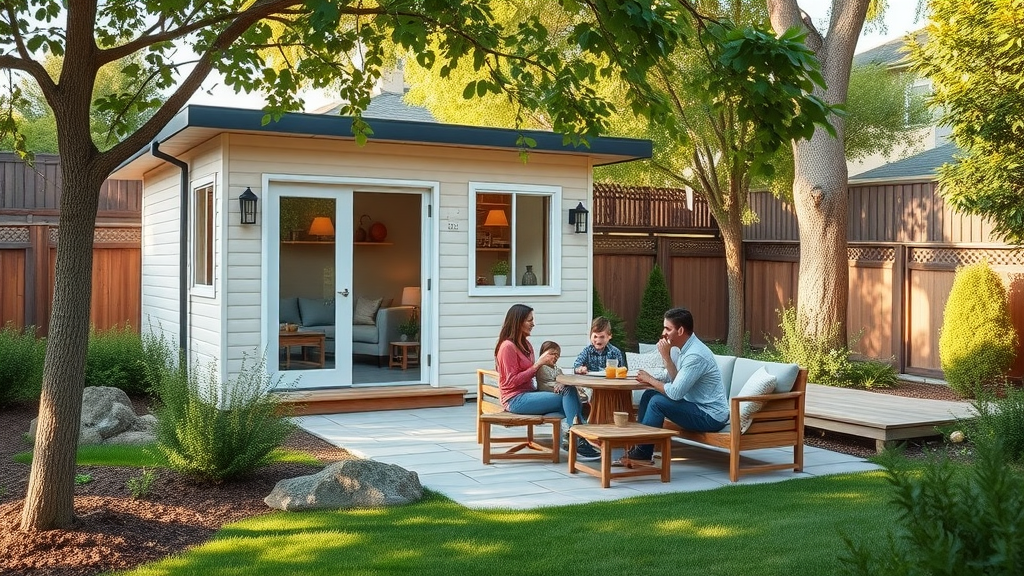
East Bay homeowners have several options when it comes to selecting the right type of accessory dwelling unit. Detached ADUs are standalone structures typically built in the backyard, offering maximum privacy and flexibility for tenants or family members. Attached ADUs share at least one wall with the main house, often appearing as a home extension or a garage conversion. Then there are junior accessory dwelling units (JADUs), which are created by converting a portion of the existing home, such as a bedroom or attached garage, and are limited to 500 square feet (sq ft).
Each option—detached, attached, or junior ADU—has unique permit requirements and zoning considerations. For example, a detached ADU may require additional setbacks or separate utility meters, while a JADU must remain within the footprint of the existing primary dwelling unit. Choosing the right ADU depends not only on your needs and lot size but also on your ability to meet East Bay regulations for dwelling units, parking requirements, and overall property compliance. Understanding these distinctions and selecting the correct ADU plans upfront is key for a smooth permit journey.
Navigating the ADU Permits East Bay Process
Required Documents and Basic ADU Plan Submittals
Starting your ADU permits East Bay application means gathering detailed documentation. Most cities in the East Bay require a complete ADU plan set that includes site plans showing property boundaries, square feet, and setbacks; floor plans illustrating each living space; structural calculations; and, often, energy compliance documents. Supporting documents such as proof of property ownership, existing main house layouts, and sewer connection designs may also be necessary during the permit center submittal.
A thorough submittal is essential for a quick approval. Missing or incomplete forms can cause costly delays or outright rejections. Many property owners overlook the need for detailed parking requirement plans or miss out on specifying whether their ADU is detached, attached, or a junior accessory dwelling unit. By leveraging preapproved ADU plan options available through local governments, you can further streamline your documentation process and reduce review times.
Understanding ADU Building Permit Stages in the East Bay
The path to an approved ADU permit involves several key stages. First comes the application submittal, where your ADU plan and supporting documents are reviewed by planning and zoning for basic code compliance. Next, the building department reviews structural and safety components, ensuring the accessory dwelling unit meets local construction standards. After these checks, city officials conduct environmental and utilities reviews to guarantee the project won’t negatively affect the surrounding neighborhood.
Once all stages are clear, you’ll receive approval to begin construction. However, your journey doesn’t end there; final inspections are required at various milestones—foundation, framing, utilities, and at project completion. Each step must be coordinated with your city’s permit center and scheduled in advance. Mistakes or oversights at any building permit stage can lead to failed inspections and significant project delays. Proper planning with accurate ADU plans and adhering to East Bay requirements will keep construction smooth and compliant.
Common Permit Mistakes in Accessory Dwelling Units Applications
- Incorrect sq ft calculations
- Overlooking parking requirements
- Submitting incomplete ADU plans
- Ignoring preapproved ADU options
Miscalculating the square feet of your planned accessory dwelling unit, missing parking requirements, or turning in incomplete or outdated ADU plans are some of the most frequent errors that cause permit denials. Many homeowners also ignore the availability of preapproved ADU plan templates from local governments, which could save time and money. Even small mistakes—like using the wrong drawing scale or failing to label all rooms—can mean starting the submission process from scratch. Avoid these missteps by double-checking every requirement and consulting the permit center or ADU consultants familiar with East Bay regulations.

Legal Requirements and Zoning for ADU Permits East Bay
Local Zoning Laws for Dwelling Units and Accessory Dwelling Unit Approvals
The East Bay region enforces stringent local zoning laws to regulate placement and approval of accessory dwelling units. Zoning codes specify where ADUs are allowed (usually in areas zoned for residential dwellings), lot size minimums, square feet limits, and rules for the number of dwelling units per property. Certain neighborhoods may restrict detached ADU or attached ADU sizes, impose height limits, or set special conditions for junior accessory dwelling units. In some cases, setbacks from property lines and other structures are strictly enforced to maintain neighborhood character.
Before submitting your application, always verify your property’s zoning classification and research local ADU permit guidelines. Failing to meet zoning codes can result in a denied permit or expensive project redesigns. Preapproved ADU plan options often incorporate all zoning requirements, offering a smoother approval path. Consulting with city planning departments early ensures your ADU will be allowed for your lot and circumstance.
How Parking Requirements Affect ADU Permits in the East Bay
Parking requirements can be a deciding factor for ADU permits East Bay. Most cities mandate at least one off-street parking space for a new accessory dwelling unit, although exemptions apply if your lot is near public transit or your ADU is created by converting a garage, carport, or existing structure. Ignoring parking requirements—or failing to clearly designate them in your plans—can add months of revision and resubmission.
For projects like JADUs, parking waivers may be easier to obtain, but attached and detached ADUs often require more thorough documentation. Review East Bay’s specific parking policies, as these change frequently with state housing mandates. Always include clear diagrams in your ADU plan to address where cars will park relative to both your main house and the new dwelling unit.
Save Money: Preapproved ADU Plans and Cost-Effective Permit Strategies
| ADU Plan Type | Typical Cost Range | Approval Timeline |
|---|---|---|
| Preapproved Detached ADU Plan | $4,000 – $7,500 | 2–4 weeks |
| Standard Attached ADU Plan | $5,500 – $9,500 | 3–5 weeks |
| Junior ADU or Garage Conversion Plan | $3,000 – $5,000 | 2–3 weeks |
Preapproved ADU plans are a growing trend among East Bay local governments, designed to streamline the permitting process and save homeowners significant design costs. These standardized blueprints meet all zoning, building, and parking requirements for common ADU types—detached, attached, or junior accessory dwelling units. Because they’ve already passed city review, you get fast-track approval and fewer costly revisions, reducing permit center fees and expediting your project’s construction timeline.
For those seeking to maximize affordability and predictability, consider these preapproved ADU plan options before submitting custom designs. Not only does this strategy trim weeks from the process, but it also minimizes surprises that could result in time-consuming corrections or extra costs. Many consultants specializing in ADU permits East Bay recommend starting your project by reviewing all preapproved templates available for your property type.
Understanding the Timeline: From Application to Approved ADU Permits East Bay
How Long Does it Take to Get ADU Permits in the East Bay?
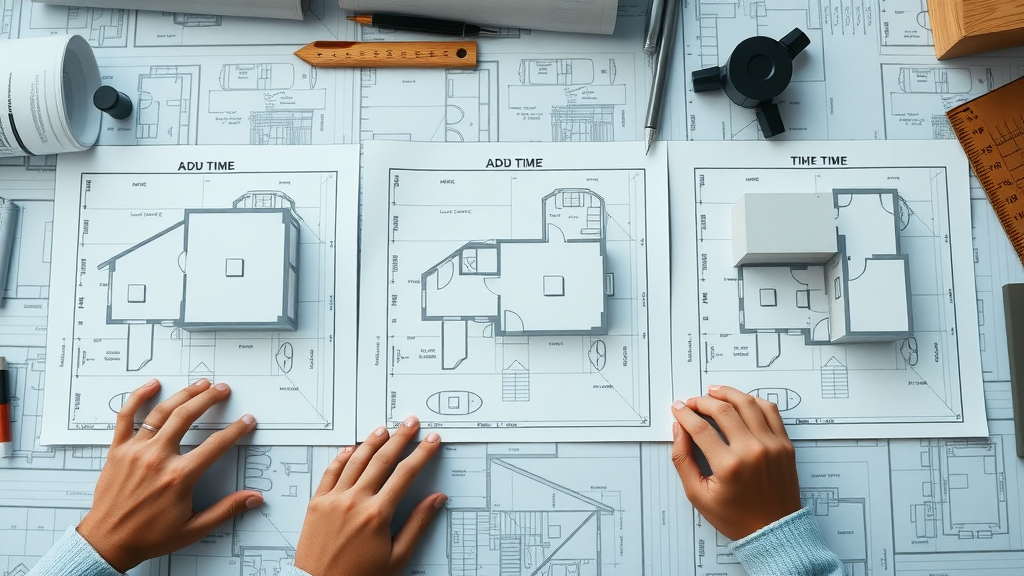
The time it takes to secure ADU permits East Bay depends on property complexity, ADU plan accuracy, and city staffing levels. On average, preapproved plan submittals are reviewed and approved within 2–4 weeks, while fully custom accessory dwelling unit projects may take 6–10 weeks or more. Delays often arise from incomplete applications, unclear parking diagrams, or unaddressed utility connections. City permit centers prioritize ADU plans that are both clear and compliant.
By using a preapproved ADU plan and working with professionals familiar with East Bay processes, many homeowners halve their wait times and avoid disappointing setbacks. Always check with your local permit center for an accurate estimate based on your specific lot and accessory dwelling unit type.
"Efficient planning, with the right ADU plans, can cut your permit process in half." — U.S. Accurate Construction
East Bay Case Studies: Successful Accessory Dwelling Unit Permit Applications

Case 1: Converting a Garage into a Junior Accessory Dwelling Unit
One East Bay homeowner wanted to generate rental income by converting their attached garage into a junior accessory dwelling unit. By staying under the 500 square feet requirement and using a preapproved JADU plan, they secured city permits in less than three weeks—saving both time and consultant fees. Their application included all required documents, clear diagrams addressing parking, and compliance with all setback rules. The quick turnaround avoided the common mistake of overlooking details and resulted in a seamless project from start to finish.
Case 2: Building a Detached ADU with Preapproved ADU Plan
Another case involved homeowners building a detached ADU in their backyard for elderly relatives. Selecting a city preapproved detached ADU plan, they completed the entire approvals process in just four weeks. Because their documentation was complete and their ADU plan addressed all zoning, utility, and parking requirements up front, there were no costly surprises. Their smooth experience highlights the power of detailed planning and the value of using supplementary expert review before submission.
People Also Ask: ADU Permits East Bay
What is the $40,000 grant in California for ADU?
Answer: The $40,000 ADU grant in California helps homeowners cover pre-development and non-recurring closing costs related to the construction of accessory dwelling units. The program’s goal is to make ADU living more accessible.
How much does an ADU permit cost in California?
Answer: The cost of ADU permits in California varies by location and project scope, but in the East Bay, fees typically range from $5,000 to $15,000 depending on the size and complexity of the dwelling unit.
Is it cheaper to build an ADU or buy a prefab?
Answer: Prefab ADUs can reduce construction time and labor costs, but site-built ADUs may offer better customization and long-term value. Evaluate preapproved ADU plans for cost savings.
What is the cheapest option for an ADU?
Answer: Converting an existing structure (like a garage) into a junior accessory dwelling unit is typically the most cost-effective approach for ADU permits East Bay.
Expert Answers to Top Questions: ADU Permits East Bay FAQs
- What is the difference between a standard ADU and a junior accessory dwelling unit?
- Are preapproved ADU plans always the best option?
- Can you rent out accessory dwelling units immediately after permit approval?
Key Takeaways for Avoiding Costly Mistakes with ADU Permits East Bay
- Review all requirements for accessory dwelling unit permits carefully.
- Take advantage of preapproved ADU plans to expedite approval.
- Consult with experts who understand East Bay's dwelling unit regulations.
- Investigate cost-saving grants and options before beginning your project.
Conclusion: How to Succeed with ADU Permits East Bay
"The upfront planning for your accessory dwelling units project will pay dividends — avoid shortcuts and you’ll see safer, faster, and more affordable results."




Write A Comment