 Add Row
  Add
Add 



Did you know? The number of approved accessory dwelling units in the East Bay has more than quadrupled in the past three years. This sudden surge isn’t just a housing trend—it’s reshaping neighborhoods, creating new investment opportunities, and opening doors for homeowners of every background. Whether you’re a resident interested in increasing your property value, finding flexible housing for family, or seeking extra income, understanding accessory dwelling units East Bay could be your path forward. In this comprehensive guide, you’ll learn how to harness the hidden power of ADUs and transform your property for the better.
Unlocking the Potential: Why Accessory Dwelling Units East Bay Are Gaining Popularity
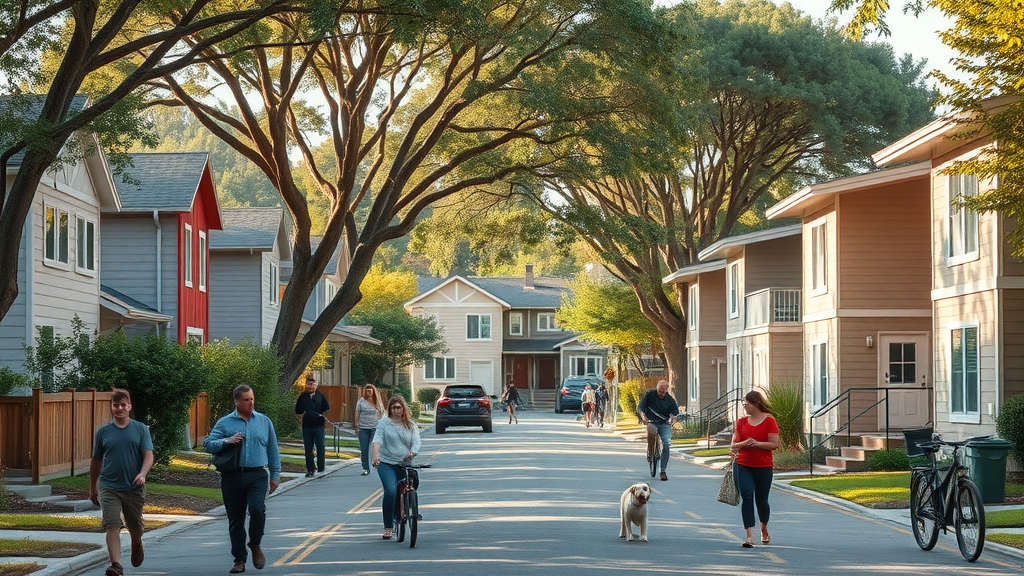
Accessory dwelling units East Bay—often called ADUs, backyard cottages, or granny flats—are fundamentally changing the housing landscape across the East Bay. Homeowners across Berkeley, Oakland, and Contra Costa County are discovering the benefits of adding these secondary units, whether for a rental stream, family needs, or boosting property value. The process for establishing an ADU has become much more accessible, thanks in part to legislative changes and incentives like the $40,000 ADU grant offered in California. These units now offer a viable solution to the East Bay’s notorious housing crunch and present real-life opportunities for multigenerational living and affordable rentals right in your backyard.
“Did you know that the number of approved accessory dwelling units in the East Bay has more than quadrupled in the past three years?”
With lower construction hurdles and expanded financing options, it’s no wonder accessory dwelling units have become one of the fastest-growing housing types in the region. ADU plans are customizable to suit any home—whether you prefer a modern detached ADU, a garage conversion, or an attached guest house that blends perfectly into your main home. For homeowners, ADUs represent more than extra square feet; they’re a path to independence, flexibility, and a secure financial future.
What You'll Learn About Accessory Dwelling Units East Bay
- Key benefits of accessory dwelling units east bay
- Steps for obtaining a building permit
- Understanding ADU plans, costs, and options
- Expert advice on the most affordable accessory dwelling units
Understanding Accessory Dwelling Units East Bay
Definition and Types of Accessory Dwelling Units East Bay
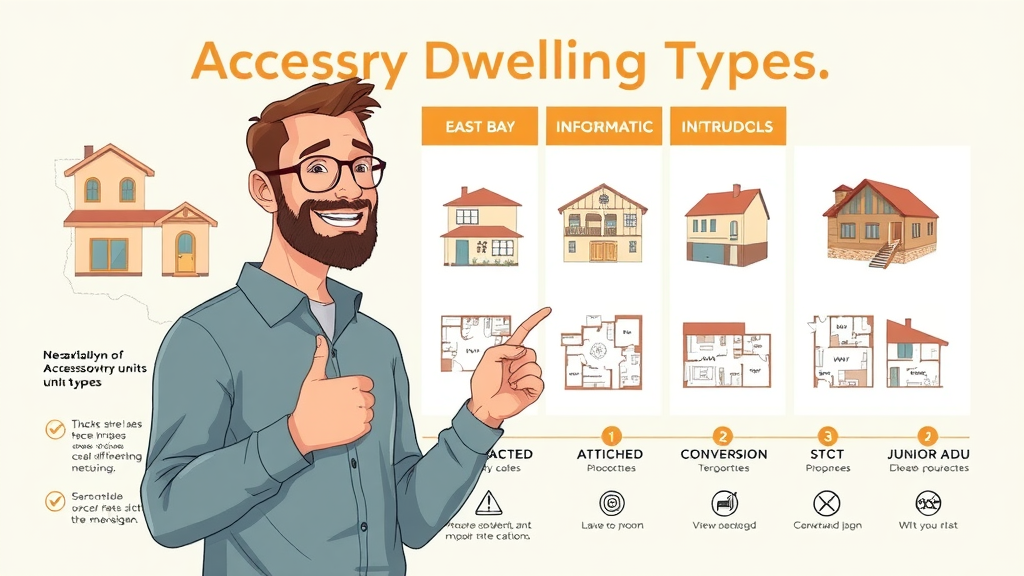
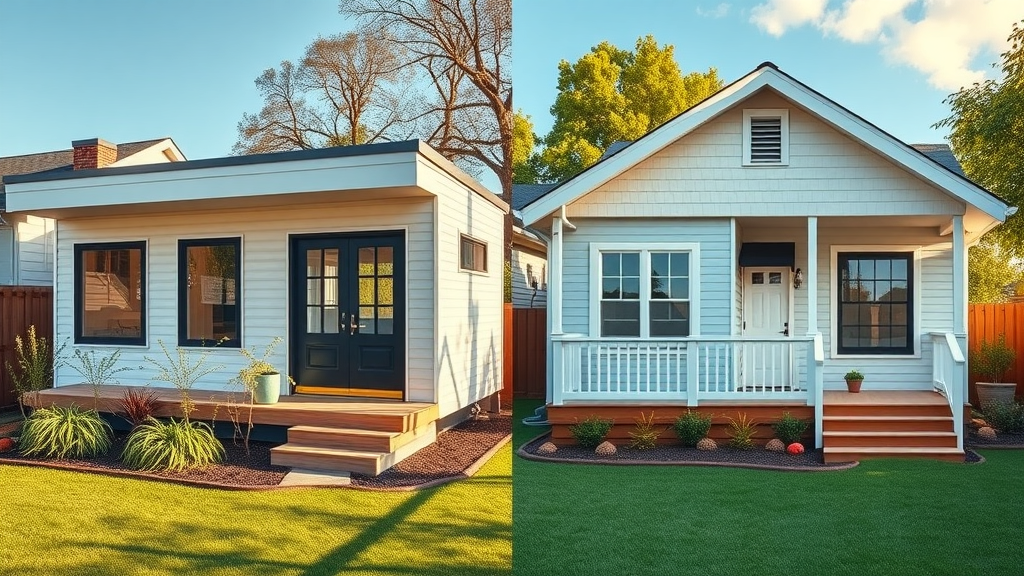
At its core, an accessory dwelling unit (ADU) is a self-contained secondary housing unit on the same lot as a single-family or multifamily home. These dwelling units are fully equipped for independent living—complete with kitchen, bathroom, sleeping area, and direct access. In the East Bay, ADUs come in a range of styles to suit the unique needs and architecture of every neighborhood. Homeowners can consider detached ADUs, such as backyard cottages and standalone guest houses, which maximize privacy. Attached ADUs offer more seamless integration with your primary dwelling, often via an attached garage conversion. Interior conversions—transforming unused basements or attics—are equally popular. For those seeking an affordable solution, junior accessory dwelling units (JADUs) repurpose existing space within a main home and have fewer building requirements.
- Detached ADU in the East Bay: Standalone tiny house or backyard cottage separate from the main home.
- Attached ADU: Shares a wall with your existing structure, such as a converted attached garage or addition.
- Conversion ADU: Repurposing an area like a basement, attic, or unused garage into a self-sufficient housing unit.
- Junior Accessory Dwelling Unit: Smaller, efficient unit within the main home, typically under 500 square feet.
Each type of ADU has unique benefits and legal considerations. Detached ADUs provide maximum independence and are ideal for rentals, while conversion and junior ADUs can be budget-friendly and quick to build. By leveraging the right ADU plans, homeowners can create spaces suitable for family, renters, or even University of California students looking for affordable, private accommodation in sought-after East Bay neighborhoods.
Accessory Dwelling Unit vs. Other Dwelling Units: Key Differences
Accessory dwelling units differ notably from other types of secondary units—such as duplexes, triplexes, or multifamily buildings—in both scope and function. ADUs are always secondary to the main home, and by design, must share the same property. Unlike independently owned townhomes or condos, an ADU remains tied to the primary residence, both in utility connections and legal status. This distinction impacts everything from financing options to rental regulations. Furthermore, ADU square feet limits, parking requirements, and architectural integration with the main dwelling unit ensure these homes blend seamlessly with local neighborhoods while increasing available housing types in the market for secondary units in the East Bay.
While the terms “granny flat”, “in-law suite”, and “guest house” are sometimes used interchangeably, only a permitted ADU meets all California legal requirements for a separate rental or residence. Understanding these key differences will help you choose the solution that fits your property, long-term goals, and budget—whether you want to house family members, create a source of passive income, or support local university students seeking a safe, affordable housing unit close to campus.
The Growing Demand for Accessory Dwelling Units East Bay
“Accessory dwelling units are opening up new possibilities for multigenerational living in the East Bay.”
The demand for accessory dwelling units East Bay continues to rise for a variety of compelling reasons. First, the tight housing market and ever-increasing prices in the Bay Area are prompting families to seek new solutions for affordability and independence. Young adults, aging parents, and University of California students are all finding ADUs a flexible alternative that keeps loved ones close—or provides a lucrative rental opportunity for owners. As trends in multigenerational living become more popular, especially in diverse communities like Berkeley and Oakland, ADUs enable homeowners to future-proof their properties.
Next, recent changes in local and state policies have relaxed building permit requirements, making it easier for property owners to obtain approval for backyard cottages or granny flats. This is particularly crucial across the East Bay, where every square foot of habitable space can improve comfort and provide financial security. The combination of high housing demand, reduced regulatory barriers, and strong return on investment explains why thousands of new dwelling units have popped up in neighborhoods from Contra Costa to Alameda County. If you’ve been considering expanding your property, now may be the best time to explore building an ADU.
How to Plan an Accessory Dwelling Unit in the East Bay
Key ADU Plans and Architectural Considerations
Every successful accessory dwelling unit East Bay project starts with smart planning and clear ADU plans. Consider how your new unit will complement the primary residence, fit local zoning regulations, and meet your lifestyle or investment goals. Collaborate with experienced architects who specialize in East Bay codes to discuss design preferences—whether you want a sleek, modern detached ADU for a rental, a cozy attached guest house for aging parents, or a budget-friendly garage conversion. Factors like orientation, placement, privacy, natural light, and sustainable materials are all part of the conversation.
Don’t forget that your choice of ADU impacts everything from permitting to timeline and budget. For example, detached ADUs usually require more site prep and separate utility connections, which could increase costs. On the other hand, a conversion ADU within the footprint of your home (like a finished basement or attached garage) can be faster and more affordable to design and permit. Work closely with professionals who understand the nuances of East Bay neighborhoods and can maximize your square feet within local limits, all while delivering plans that will sail through the building permit process.
Important Building Permit Steps For Accessory Dwelling Units East Bay
- Research local zoning laws
- Prepare and submit ADU plans
- Obtain necessary building permits
- Schedule inspections
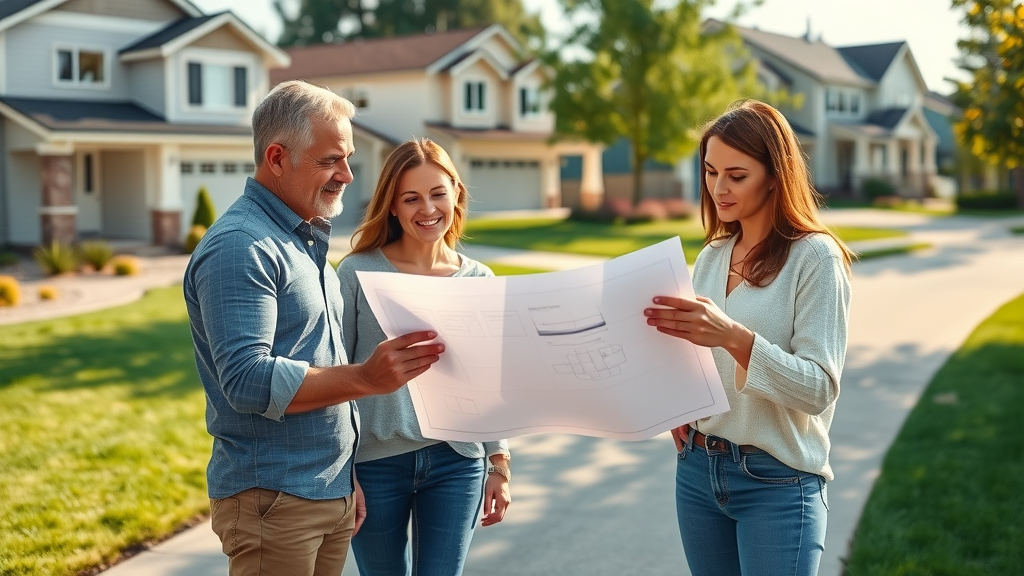
Securing your building permit is the most vital step in bringing your accessory dwelling unit to life in the East Bay. Begin with careful research on your city’s zoning regulations, as each municipality has specific codes regarding minimum lot size, sq ft limits, and parking requirements. Next, select or create detailed ADU plans that account for your property lines, easements, utility hookups, and any design restrictions unique to your neighborhood—particularly if you’re near historical districts or University of California campuses.
After compiling your plans, work with a reputable designer or contractor to file your building permit application with the city planning department. This may require submitting multiple copies of architectural drawings, survey maps, and supporting documents. Once your permit is reviewed and approved (which can take several weeks), construction can begin. Be prepared for multiple inspections throughout the building process, ensuring your ADU meets all safety, energy efficiency, and building code standards. For smoother approval, consult professionals who routinely handle ADU permits in East Bay cities like Berkeley and Oakland.
Costs and Financing for Accessory Dwelling Units East Bay
Estimating Total ADU Cost: Construction, Permitting, and More
Estimating the full cost of an accessory dwelling unit East Bay project depends on a variety of factors including sq ft size, location, type of build, and the complexity of your ADU plans. Construction costs are typically the largest portion of your budget, but permitting fees, utilities, and optional upgrades add to the total. Detached ADUs—often called backyard cottages or tiny houses—can be more expensive due to independent utility hookups and foundation needs, while attached or conversion ADUs (such as garage or basement remodels) usually offer savings if existing structures are sound.
Don’t overlook the impact of custom design, energy efficiency upgrades, and site preparation on your final budget. As the following table shows, costs and timelines vary depending on the ADU style you choose.
| Type | Sq Ft Range | Average Total Cost | Typical Timeline |
|---|---|---|---|
| Detached ADU | 400 – 1,200 sq ft | $225,000 – $350,000 | 8 – 12 months |
| Attached ADU | 350 – 800 sq ft | $175,000 – $275,000 | 6 – 10 months |
| Conversion ADU | 250 – 600 sq ft | $150,000 – $225,000 | 4 – 8 months |
These estimates are based on typical projects in the Bay Area. For example, a simple garage conversion or junior ADU on a standard lot in Berkeley or Oakland might fall at the lower end of the cost spectrum, while a large, custom detached ADU with premium finishes can approach the higher ranges. Always build in a contingency for unforeseen costs, as older homes in the East Bay sometimes present surprises during construction.
Financing Options and Grants: The $40,000 ADU Grant in California
California’s $40,000 ADU grant has revolutionized financing for East Bay homeowners dreaming of an accessory dwelling unit. This grant helps offset pre-development expenses—including design, permits, site prep, and engineering—making the process more affordable for moderate-income households. In addition to state grants, various local and regional programs offer low-interest loans, property-assessed clean energy (PACE) financing, and special support for senior citizens or first-time builders.
"The $40,000 ADU grant can make accessory dwelling units feasible for more East Bay homeowners than ever before."
When considering how to finance your ADU, weigh the benefits of traditional mortgage refinancing, home equity lines of credit, or specialized ADU loans. Many East Bay banks now recognize accessory dwelling units as a legitimate way to increase property value and long-term financial security. If you’re unsure where to start, consult an ADU specialist familiar with both local zoning and the most up-to-date grant programs in the Bay Area.
Prefab vs. Custom Accessory Dwelling Units East Bay: Which Is Better?
Comparing Prefab ADU and Traditional Build in East Bay
- Pros and cons of prefab and custom ADUs
- Price differences and timelines
- Quality and design flexibility
The debate between prefab accessory dwelling units and custom builds is front and center for East Bay homeowners. Prefab, or modular, ADUs are manufactured in a factory and delivered to your property nearly complete, offering a much faster installation and often lower costs. They’re a great fit for homeowners seeking predictable timelines, standardized finishes, and a streamlined permitting process.
On the other hand, traditional custom-built ADUs give you complete freedom over design, finishes, and integration with your primary dwelling and landscaping. Custom builds can better match historical or modern East Bay aesthetics, accommodate unique lot shapes, and often provide higher resale value. However, they do come with potentially longer construction timelines and higher costs, especially if you require special materials or extensive site work. Choosing between prefab and custom ADUs comes down to your budget, design priorities, desired timeline, and the specific features you want in your accessory dwelling unit.
Legal and Zoning Requirements for Accessory Dwelling Units East Bay
Navigating Local Zoning, Permits, and University of California Proximities
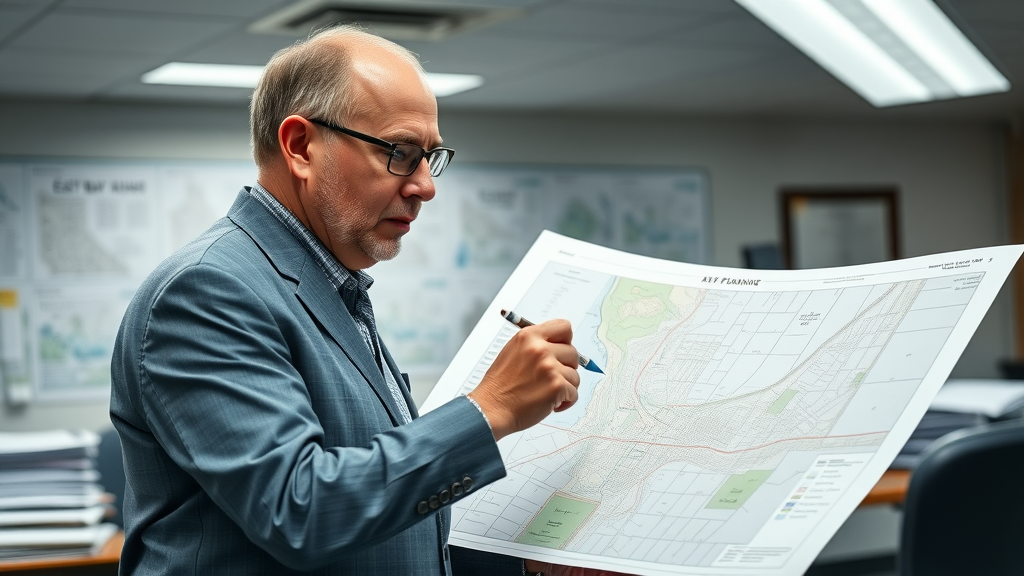
Before breaking ground on your accessory dwelling unit East Bay, it’s critical to understand legal and zoning requirements. Each city—whether Berkeley, Oakland, or beyond—has its own rules regarding minimum lot size, allowable sq ft, setback distances, parking, and occupancy. Some municipalities restrict ADU locations near University of California campuses or require added screening for privacy. Accessory dwelling units must comply with both state and local guidelines, including fire safety, sewer capacity, and energy efficiency mandates.
It’s wise to collaborate with professionals familiar with East Bay permitting to ensure your ADU plans move smoothly through the approval process. Start with your city planning office: request zoning maps and ask about special conditions near universities or commercial corridors. Permitting checklists, neighbor notification processes, and multiple rounds of plan review are common. With the right preparation, your accessory dwelling unit project can move from concept to construction with minimal delay—and full compliance with the law.
Top Benefits of Building Accessory Dwelling Units East Bay
- Increased property value
- Flexible housing for family or rental
- Potential for passive income
- Sustainable use of existing land
- Assisting university of california students with housing
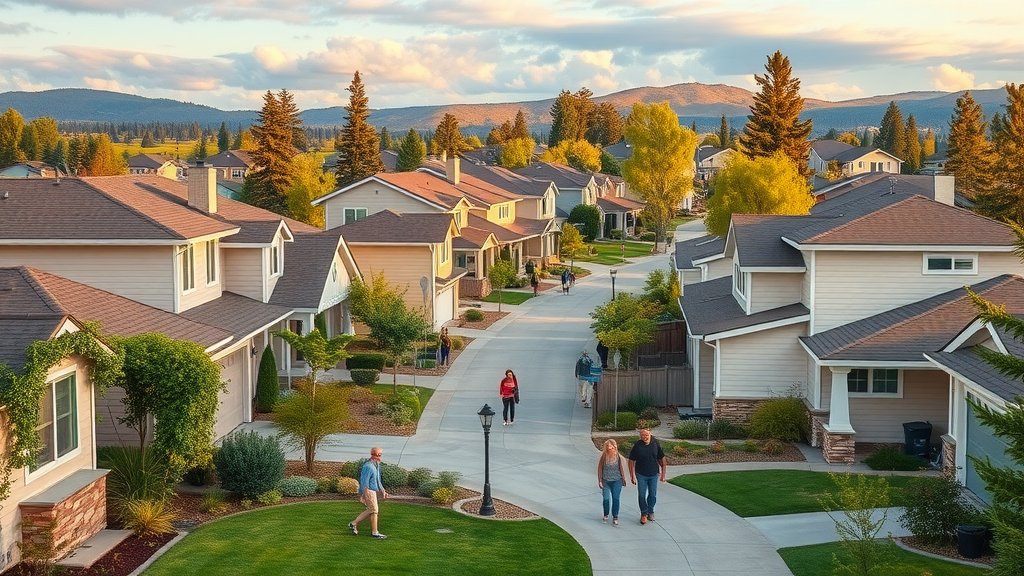
Building an accessory dwelling unit in the East Bay is a strategic investment for the future. Not only can you bolster your property’s value, but you gain the flexibility to provide independent living for aging parents, grown children, or renters. Many homeowners enjoy the passive income stream from long-term tenants or short-term visitors—while sustainable ADU designs mean you’re making the most of your existing land. For those near the University of California, an ADU is a win-win, offering much-needed housing to students while helping you pay your mortgage and boost your neighborhood’s vitality.
People Also Ask: Accessory Dwelling Units East Bay
What is the $40,000 grant in California for ADUs?
The $40,000 California ADU grant helps cover pre-development costs for homeowners who wish to build accessory dwelling units in the East Bay and other regions. This includes expenses like design plans, permitting fees, and site evaluation, making it easier for moderate-income families to access the benefits of an ADU.
Is it cheaper to build an ADU or buy a prefab?
Prefab accessory dwelling units in the East Bay can be less expensive and faster to install than custom builds, but the best choice depends on your property, needs, and desired quality. Consider the tradeoffs between upfront cost, ongoing value, available sq ft, and integration with your main home before deciding.
How much does an ADU cost in the bay area?
Accessory dwelling units in the East Bay typically range from $150,000 to $350,000 depending on size, customization, and site conditions. Conversion ADUs or garage remodels usually fall on the lower end, while large, detached ADUs with premium finishes command higher budgets.
What is the cheapest option for an ADU?
Garage conversions or prefab junior accessory dwelling units tend to be the most affordable ADU options in the East Bay. These use existing structures or efficient modular construction to keep costs and project timelines manageable for homeowners.
Key Takeaways: The Hidden Power of Accessory Dwelling Units East Bay
- Accessory dwelling units east bay can increase property value and provide rental income.
- Building permits and zoning laws vary by municipality—always check East Bay city regulations.
- Financing and grant options make ADUs more accessible.
- Both prefab and custom builds have distinct advantages.
Frequently Asked Questions: Accessory Dwelling Units East Bay
- What are the minimum lot size requirements for accessory dwelling units east bay?
- Can I rent out an accessory dwelling unit separately from my main dwelling unit?
- What utilities need to be connected for a detached ADU in the East Bay?
- Are there special considerations near the University of California?
- How does sq ft impact the cost and legality of an accessory dwelling unit?
Conclusion: Take the Next Step Toward Your Accessory Dwelling Unit East Bay
Accessory dwelling units east bay present a transformative opportunity for East Bay homeowners. Whether you opt for a prefab, custom, or conversion ADU, the right preparation and expert support is crucial for success.
Ready to Build Your Accessory Dwelling Unit East Bay? Contact Us Today!
You can reach out to U.S. Accurate Construction at (925) 385-7099

Write A Comment