 Add Row
  Add
Add 



Did you know that over 60% of new Bay Area ADUs fail to meet some form of zoning or permit requirement on their first submission? For East Bay homeowners, overlooking a single setback or parking rule could mean months of delays, expensive redesigns, or complete project rejection. Mastering East Bay zoning for ADUs is your ticket to unlocking valuable extra housing, rental income, and long-term equity—if you do it right. This comprehensive guide cuts through the red tape, highlights the latest local requirements, and shows you exactly how to stay compliant while maximizing your property’s potential.
East Bay Zoning for ADUs: Startling Facts Every Homeowner Needs
- Key east bay zoning for ADUs regulations and updates
- The difference between attached ADU, detached ADU, and junior ADU under East Bay rules
- Building permit and parking requirements
- Steps for east bay homeowners to ensure compliance
- Practical tips for maximizing value and avoiding common pitfalls
- Real-world insights into Bay accessory dwelling unit projects
East Bay zoning for ADUs is constantly evolving as both state and local governments pass new ordinances to address California’s housing crisis. Many Bay homeowners are surprised to learn just how much rules can differ from city to city—even block to block. Whether you want to build a detached ADU in your backyard, convert garage space into living quarters, or add a junior ADU within your main home, understanding these powerful distinctions is essential. The right knowledge helps you avoid costly missteps and ensures you gain approval with minimal headaches.
In this article, you’ll unravel the zoning code “alphabet soup,” see current minimum lot size and setback rules, and learn step-by-step how to secure building permits and meet parking requirements. You’ll also get expert tips on boosting your property value and avoid common pitfalls—plus, real examples of East Bay homeowners who are using accessory dwelling units to generate income or help loved ones attain independent living. This is your all-in-one resource for navigating the maze of east bay zoning for ADUs in 2024 and beyond.

Breaking Down East Bay Zoning for ADUs: The Foundations
Understanding Zoning Laws and Accessory Dwelling Unit Definitions
- What is east bay zoning for ADUs?
- Key zoning terms: dwelling unit, accessory dwelling, accessory dwelling unit, and dwelling units
- Types of accessory dwelling units allowed in the East Bay
East Bay zoning for ADUs refers to a set of local and state regulations that dictate where, what type, and how accessory dwelling units (ADUs) can be built within the region’s cities and communities. An accessory dwelling unit is a secondary living space on a single-family or multi-family property that functions independently from the main home. Common zoning terms include “dwelling unit” (a space with cooking, sleeping, and bathroom facilities), “accessory dwelling unit” (the secondary unit), and “junior ADUs” (smaller, attached or internal units with some shared facilities).
Most East Bay cities, following state law, allow a range of ADUs including attached ADUs (built as an addition to the main home), detached ADUs (completely separate structures), and junior ADUs, often carved from existing space within the main house. The permitted size, required setbacks from property lines, height limits, and even allowable number of units per lot are all determined by each city’s zoning code. For Bay homeowners interested in boosting independent living options for family or renters, checking your city’s current rules isn’t just smart—it's critical.
Types of ADUs Allowed in East Bay Zoning for ADUs
Attached ADU vs. Detached ADU vs. Junior ADU
- Detached ADUs vs. attached ADUs zoning requirements
- Junior ADUs: definition, limitations, and independent living standards
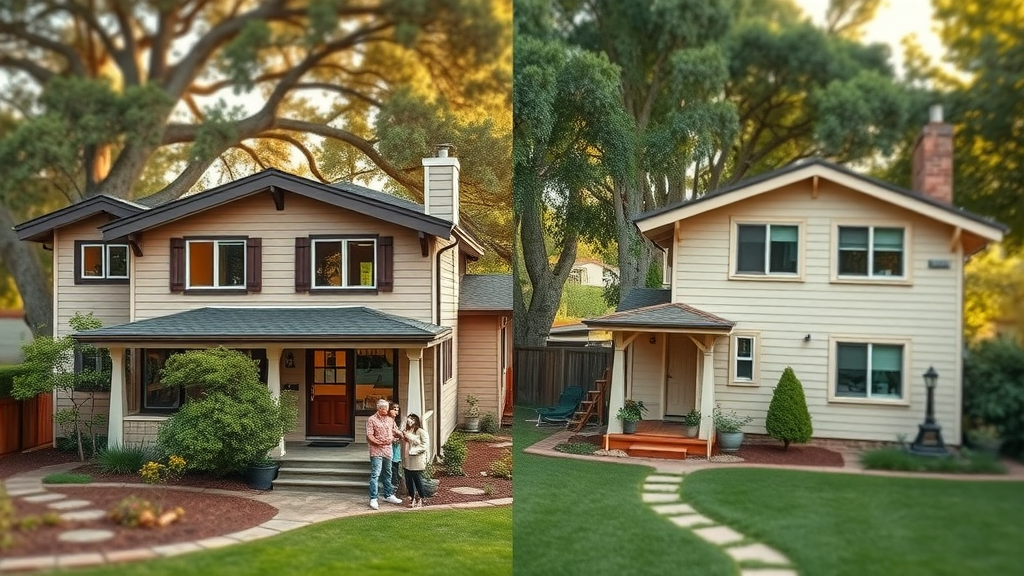
East Bay zoning for ADUs recognizes multiple types, each with unique pros, cons, and legal requirements. Attached ADUs are physically connected to the main house—usually as an addition or conversion of existing space. Their size is generally capped at 50% of the main home or up to 1,200 square feet, whichever is less, but exact figures can vary between east bay cities. Detached ADUs, meanwhile, are standalone buildings often constructed in a backyard or side yard. These can provide more privacy and a greater sense of independent living but must adhere to stricter setback rules and lot coverage limits.
A junior ADU (JADU) is a smaller, self-contained living area (up to 500 square feet) created within the main house. Typically, a JADU needs a separate entrance and its own basic cooking facilities, but can share laundry or a bathroom with the primary residence. Each option brings different levels of rental income potential, privacy, and building complexity. East bay zoning often allows both a detached and a junior ADU on a single lot—making it possible to dramatically increase your property’s housing capacity without sacrificing comfort.
Accessory Dwelling Units: Design and Use Standards
- Minimum lot size and independent living space
- Maximum dwelling units permitted per lot
One of the most common questions from East Bay homeowners is: “How big can my ADU be?” Zoning for ADUs often waives a minimum lot size to encourage construction, though some cities may impose specific thresholds. Most cities allow up to 800 square feet for a detached ADU—up to two stories tall—but can approve larger units if local conditions or lot sizes allow. The unit must be designed for complete independent living—meaning you'll need a kitchen, bathroom, sleeping area, and a separate entrance.
For lots with sufficient space, current ADU rules often permit a combination of one detached ADU and one junior ADU (JADU) on the same property alongside the main house. However, there’s usually a cap on the number of dwelling units in total per lot, in order to maintain residential character and manage infrastructure impacts. Each bay city may interpret state law slightly differently, so always verify with your local planning department before finalizing plans. Exceeding regulations—such as trying to build multiple full-sized ADUs—can lead to costly code enforcement and denied permits.
Key Steps for Building an ADU: East Bay Zoning for ADUs in Practice
Getting A Building Permit for Your Accessory Dwelling Unit
- Permit application process for accessory dwelling units
- Required documents and fees for east bay homeowners
Before breaking ground on your new accessory dwelling unit, East Bay zoning requires you to obtain an ADU permit from your city’s building department. The approval process typically starts with submitting detailed architectural drawings, a site plan outlining setbacks and locations for the ADU relative to property lines, and proof of property ownership. Most East Bay cities streamline ADU permits as much as possible, but additional review by planning or engineering departments is not uncommon, especially in hillside or historic areas.
Application fees vary but usually fall between $2,000 and $10,000 depending on project size and complexity. Homeowners should also prepare to submit energy calculations, structural details, and, if applicable, documentation on any required utility upgrades or environmental reviews. Processing times must comply with state law (usually within 60 days), but delays are still possible if all documents are not complete or if plans don’t comply with the latest east bay zoning for ADUs code. Consulting an experienced architect or builder familiar with local ADU rules can save you time, money, and many headaches.

Meeting Parking Requirements for Your New Dwelling Unit
- Updated ADU parking requirements under east bay zoning for ADUs
- Exceptions and waivers by local jurisdiction
A major pain point for East Bay homeowners planning an ADU is the parking requirements mandated by local zoning. While California’s most recent ADU laws have relaxed or even waived parking in many areas—especially for properties near public transit or in historic districts—some cities still require at least one off-street parking space for each new accessory dwelling. Exceptions are often granted if the property is within half a mile of a major transit stop, is part of an existing historic district, or if the ADU replaces a garage, carport, or covered parking that is demolished to build the unit.
When required, parking must be located on paved surfaces and can often be in a tandem configuration on a driveway. Always check your specific city’s ADU parking ordinance, as regulations can change quickly and noncompliance can result in denied permits or neighbor disputes. Smart ADU design solutions—such as shared driveways or permeable parking—can sometimes help meet these requirements while protecting your landscaping. Remember, every East Bay zoning for ADUs regulation you follow brings you one step closer to project approval and long-term peace of mind.
East Bay Zoning for ADUs: Common Mistakes and How to Avoid Them
- Top zoning missteps by bay homeowners
- Tips for successful accessory dwelling unit projects in the East Bay
Despite the promise of extra space and rental income, many East Bay homeowners stumble into avoidable zoning mistakes. One of the biggest missteps is underestimating local differences—assuming state ADU laws trump all, when in reality, bay cities often have very specific rules for setbacks, lot coverage, and maximum square feet. Others forget to factor in how utilities, fire access, and historical overlay zones can affect their plans. Failing to address these variables early can force expensive redesigns or kill the project entirely.
To succeed, always begin with a thoughtful site analysis and closely review your city’s latest ADU guidelines before spending on design work. Seek guidance from professionals with proven East Bay ADU experience—they’ll know the latest building permit procedures and parking requirements. Engage neighbors early if your project impacts shared driveways or privacy. And above all, never bypass permits or start construction ahead of official approval; cutting corners can lead to “red tag” code enforcement actions that halt your project and jeopardize your investment.
Expert Advice: Maximizing Value with Accessory Dwelling Units in the East Bay
"Complying with east bay zoning for ADUs can unlock significant equity, but cutting corners may trigger costly setbacks." – Local zoning attorney
Accessory dwelling units are rapidly becoming the best way for property owners to create rental housing, multigenerational living space, or simply add value to their primary residence. But the most successful ADU projects combine smart design with rock-solid compliance. Choose a location that meets both minimum lot size and setback requirements, and work with a licensed architect who can balance your wish list with the intricacies of local planning and building departments.
Beyond construction, be strategic about use: will it be a short-term rental, a home for extended family, or a separate unit for aging parents? Each scenario comes with unique east bay zoning for ADUs considerations, from occupancy restrictions to additional permits for term rentals. The right moves at each step not only ensure you pass inspections but also maximize your long-term flexibility, cash flow, and resale value.
East Bay Zoning for ADUs Table: Fast Facts
| Topic | Key Details (East Bay Zoning for ADUs) |
|---|---|
| Minimum Lot Size | Varies by city, commonly no minimum |
| Max ADUs Per Lot | Usually 2 (detached and JADU) |
| Setbacks | Typically 4 ft from side/rear property line |
| Permit Timelines | 60 days (state mandate), local may vary |
| Parking Requirements | Often waived for homes near transit |
Real-World Examples: East Bay Homeowners Succeeding with ADUs
- Case study: Independent living created with a detached ADU
- Senior Bay homeowners using ADUs for passive income
Meet Susan, a retiree in Oakland. She constructed a detached ADU behind her main house to allow her aging mother to enjoy complete independent living while staying close to family and medical care. By working closely with the city’s planning office, Susan ensured her project met all setback and dwelling unit requirements, streamlining her permit approval and giving her peace of mind about her mother’s safety and autonomy.
In another East Bay success story, Jeff and Maria in Walnut Creek leveraged new state incentives to build a junior ADU from unused basement space. Now, the couple enjoys steady rental income from a local teacher, helping pay their mortgage while providing much-needed rental housing for the community. By following all construction rules, including clear parking requirements and proper utility hookups, they’ve boosted their home’s value and future resale appeal.

People Also Ask: Navigating California and East Bay Zoning for ADUs
What is the $40,000 grant in California for ADUs?
The $40,000 ADU grant in California offers eligible homeowners financial assistance for ADU predevelopment and construction costs, supporting the development of accessory dwelling units and increasing housing availability.
How many ADUs can you have on one property in California?
Under state law, most California properties can have one detached ADU and one junior ADU (JADU), but East Bay zoning for ADUs may enforce additional limits for accessory dwelling units based on jurisdiction.
How close to the property line can I build an ADU?
East Bay zoning for ADUs generally requires a 4-foot setback from side and rear property lines for both detached ADUs and attached ADUs.
What is the new ADU law in California 2025?
The 2025 ADU law introduces streamlined permitting, reduces parking requirements, and further limits barriers to producing more accessory dwelling units in the East Bay and beyond.
Video Walkthrough: Understanding East Bay Zoning for ADUs
Video explainer: Covers definitions, ADU types, building permits, setbacks, and tips for Bay homeowners ensuring ADU compliance.
Frequently Asked Questions: East Bay Zoning for ADUs
- Are there design restrictions for accessory dwelling units?
- Do accessory dwelling units increase property taxes?
- How do utility connections work for ADUs in the East Bay?
- Can I rent out my ADU to anyone?
- How does zoning impact resale value?
Are there design restrictions for accessory dwelling units?
Yes. Most East Bay zoning for ADUs codes specify maximum height, setback, and lot coverage. Some cities also enforce architectural style, roof pitch, and exterior finishes to ensure ADUs blend with the main home and neighborhood.
Do accessory dwelling units increase property taxes?
Building an ADU may trigger a reassessment for the new unit’s value, but your main residence's base tax remains protected under Proposition 13. The increase is typically proportional to the added living space—not the value of the original home.
How do utility connections work for ADUs in the East Bay?
Most ADUs require separate electrical, water, and sewer connections. Some bay cities allow “tied-in” connections to the main dwelling, especially for junior ADUs. Always confirm with your local building department and utility provider for specific rules and costs.
Can I rent out my ADU to anyone?
Yes. In the East Bay, property owners may generally rent ADUs to anyone. However, local regulations sometimes restrict short-term rentals (like Airbnbs) and may require long-term leases of 30 days or more.
How does zoning impact resale value?
A fully permitted, code-compliant ADU significantly increases resale value and market appeal. However, unpermitted units or zoning violations can limit financing options, reduce buyer interest, and invite legal uncertainty.
Key Takeaways: Avoiding Disaster with East Bay Zoning for ADUs
- Always verify local east bay zoning for ADUs codes before planning
- Confirm permit and parking requirements for each accessory dwelling unit
- Leverage new state and local incentives for ADU construction
Conclusion: Take the Next Step Toward Your East Bay Accessory Dwelling Unit
You can reach out to U.S. Accurate Construction at (925) 385-7099
Ready to add flexible living space or new income with a safe, compliant ADU? Start with a local zoning review and professional guidance—then move forward with confidence to build lasting value.




Write A Comment