 Add Row
  Add
Add 



Did you know? Permit applications for accessory dwelling units have doubled in Lafayette since 2023. This surge isn’t just a number—it’s a testament to how recent ADU law changes in Lafayette CA since 2023 are transforming local housing opportunities, sparking both curiosity and action among homeowners. If you’re considering building an accessory dwelling unit or simply want to protect your property’s value, understanding these updates is now more crucial than ever.
Understanding ADU Law Changes in Lafayette CA Since 2023
Lafayette’s new ADU laws have ushered in a wave of opportunities and challenges for homeowners. With state and local regulations evolving rapidly, knowing the specifics of ADU law changes in Lafayette CA since 2023 is essential for anyone thinking about adding a dwelling unit to their property, whether as a rental, guest suite, or space for extended family. The city has seen a substantial uptick in new applications, which means more people navigating the updated processes regarding setbacks, occupancy, and design standards. These changes reflect a larger statewide effort—through several significant assembly bills—to ease housing pressures while ensuring neighborhoods maintain their unique character. For Lafayette homeowners, this means new rules about where and how an accessory dwelling unit can be built, streamlined pathways through city council oversight, and clearer timelines for obtaining that much-desired adu permit.
Grasping the details of these laws isn’t just about compliance—it’s central to maximizing property value, taking advantage of new real estate opportunities, and meeting current housing needs. By understanding how state law interfaces with Lafayette’s specific guidelines, you’ll be positioned to make confident, informed decisions—whether you plan to build a detached ADU, convert an existing structure, or invest in a customizable “granny flat.” In the following sections, we will break down the core elements of these adu laws in California, offer step-by-step process guides, and examine practical impacts for homeowners throughout Contra Costa County.

"According to recent studies, the number of permit applications for accessory dwelling units has doubled in Lafayette since 2023, highlighting just how crucial understanding new adu law changes in Lafayette CA since 2023 is for local homeowners."
What You'll Learn from ADU Law Changes in Lafayette CA Since 2023
- Learn about the new adu law and adu laws in California
- Identify how adu law changes affect building an ADU in Lafayette
- Understand key assembly bill updates impacting accessory dwelling units
- Explore local city council responses to state law
- Clarify ADU permit process post-2023
| Feature | 2022 Laws | 2023 & Beyond (Lafayette) |
|---|---|---|
| Maximum Size for Detached ADU | Up to 1,200 sq ft statewide | Up to 1,200 sq ft, plus flexibility for smaller lots in Lafayette |
| Setback Requirement | 4 feet side and rear | No changes, but front setback more flexible in certain zones |
| Occupancy Restrictions | Owner-occupancy sometimes required | No owner-occupancy requirement until 2025 (statewide) |
| Parking Requirements | One space per unit; exemptions near transit | Expanded exemptions for transit and reduced parking mandates |
| Permit Processing Time | 60 days (state law goal) | Strict 60-day timeline enforced by Lafayette City Council |
| Number of Permitted ADUs | One ADU + one junior ADU | One ADU + one junior ADU (with clarification on multifamily zones) |
ADU Law and ADU Laws: Definition, Purpose, and Impact
What is ADU Law and Why Does It Matter in Lafayette CA?
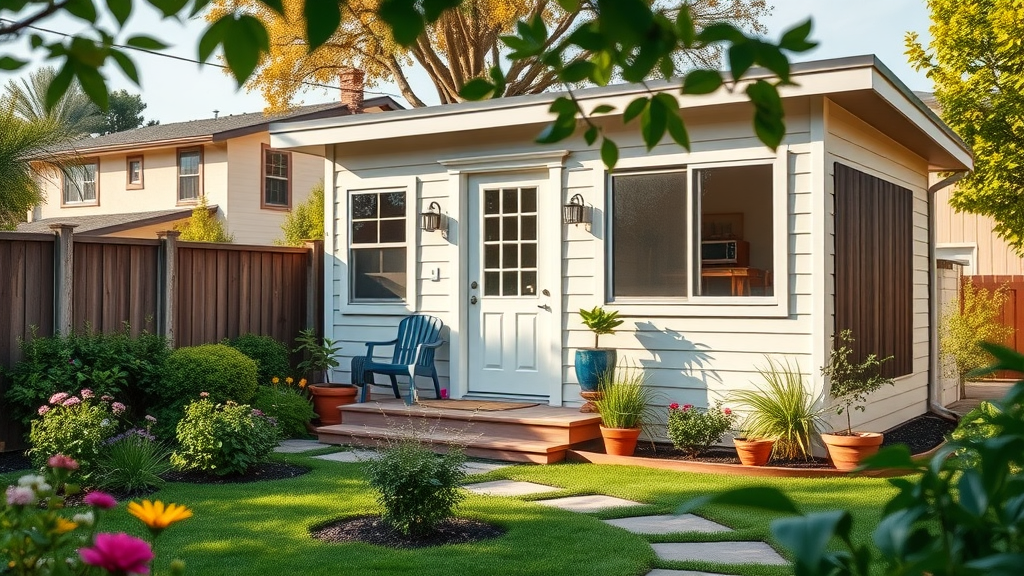
ADU law refers to the set of regulations and legal standards that determine how accessory dwelling units—commonly known as “granny flats,” “in-law units,” or detached ADUs—can be constructed, permitted, and used. In Lafayette, this legal framework not only aligns with broad adu laws in California but also includes localized interpretations set by the city council. The core aim is to expand housing options in urban and suburban areas while protecting neighborhood aesthetics and safety.
Since the 2023 updates, adu law changes in Lafayette CA have become a focal point for property owners eager to create family housing, long-term rentals, or simply boost their home’s value. These changes matter because they affect everything from application speed and approval certainty, to what type of dwelling unit you can add to your lot. What was once a complex maze of restrictions has shifted to a clearer, more accessible process—though it still demands attention to detail and compliance checks. Understanding these laws provides confidence and empowers real estate decisions, especially as demand for accessory dwellings continues to rise throughout Contra Costa County.

Understanding Accessory Dwelling and Accessory Dwelling Unit
An Accessory Dwelling Unit (ADU) is a secondary housing unit on a single-family or multifamily property. These can be attached, detached, or converted from existing spaces such as garages or basements. Sometimes, you’ll hear terms like “junior ADU”—a smaller unit within the main home. The distinction between an accessory dwelling and the primary home in Lafayette is important, since each must meet specific code requirements.
The new adu laws in Lafayette and throughout California make it easier to add these units—which are key tools for addressing housing shortages, offering aging-in-place options, or generating rental income. Local definitions focus on integration with neighborhood character, access to utilities, and safety standards. By understanding the exact differences in types of dwelling units, homeowners avoid common pitfalls and facilitate smoother permit approvals. This knowledge can maximize your property’s functional space and financial potential, which is increasingly important in Lafayette’s competitive real estate market.
Key Features of ADU Law Changes in Lafayette CA Since 2023
State Law vs. Local Laws in California: How Lafayette Interprets ADU Laws
California’s ADU reform began with sweeping state laws eliminating barriers to building these units. However, Lafayette’s city council and planning department exercise significant authority in interpreting and applying these rules. The balance between state-imposed mandates and local preferences means Lafayette has adopted its own tailored requirements—from architectural review to neighborhood notification.
State legislation now requires streamlined permitting and reduced setbacks, but Lafayette enhances these standards by providing clearer design guidelines, adjusting allowable views and privacy standards, and actively involving residents in the public review process. For prospective builders, knowing both the state law and how Lafayette implements it is essential for avoiding delays and maximizing the value of a new accessory dwelling unit. This local flexibility ensures permit reviews account for Lafayette’s unique character without sacrificing state housing goals.

Summary of Major Assembly Bill Updates Impacting ADU Laws in CA
Recent years have seen numerous assembly bills reshape the landscape for adu law changes in Lafayette CA since 2023. Notably, AB 2221 clarified timelines and application requirements, while SB 897 expanded what qualifies as a “permitted ADU” and further defined detached ADUs. These laws impose strict review timelines (60 days), disallow parking mandates near transit, and enable two accessory dwelling units for multifamily properties in some cases.
The cumulative impact of these state bills is a faster, more homeowner-friendly process. Local municipalities like Lafayette are required to comply with these changes while retaining discretion on design and safety. Thus, any homeowner considering an adu permit must track both state-level updates and ongoing city council announcements to ensure compliance and seize new opportunities for building or converting units.
Building an ADU Under the New ADU Laws in Lafayette CA
- Permitted dwelling unit sizes and layouts: Lafayette follows California’s 1,200 sq ft maximum for detached ADUs, with consideration for smaller lots and creative layouts to suit diverse family needs.
- Setbacks, lot size, and occupancy rules: Side and rear setbacks typically remain 4 feet, but Lafayette now offers flexibility on front setbacks for certain plots. Owner-occupancy rules are waived until at least 2025, making rental income options more accessible.
- Parking requirements and exemptions: No off-street parking required for ADUs within half a mile of transit or in designated historic zones, streamlining approvals and construction logistics.
- Fire and safety regulations: Enhanced requirements ensure units are properly equipped with alarms, sprinklers (in some scenarios), and access for emergency response—all outlined in the permit process.
The ADU Permit Process: Step-by-Step Guide After 2023
-
Step 1: Evaluating your property for compliance
Begin by reviewing your property’s lot size, zoning, and existing structures. Lafayette provides resources via the planning department and website that allow you to verify if an ADU is feasible on your specific lot, considering all updated laws in CA and local regulations.
-
Step 2: Preparing documentation per updated ADU law changes in Lafayette CA since 2023
Gather all required documentation—including plans, surveys, and any necessary architectural drawings. Ensure that all documents reflect Lafayette’s most recent guidelines, especially updates regarding setback requirement, utility access, and neighborhood character.
-
Step 3: Submitting your application to city council
Submit completed proposals through Lafayette’s online portal or directly to the planning department. Monitor your application status and be prepared for feedback, as the city council may request minor plan adjustments or clarifications before granting your adu permit.
-
Step 4: Inspection and approval timeline
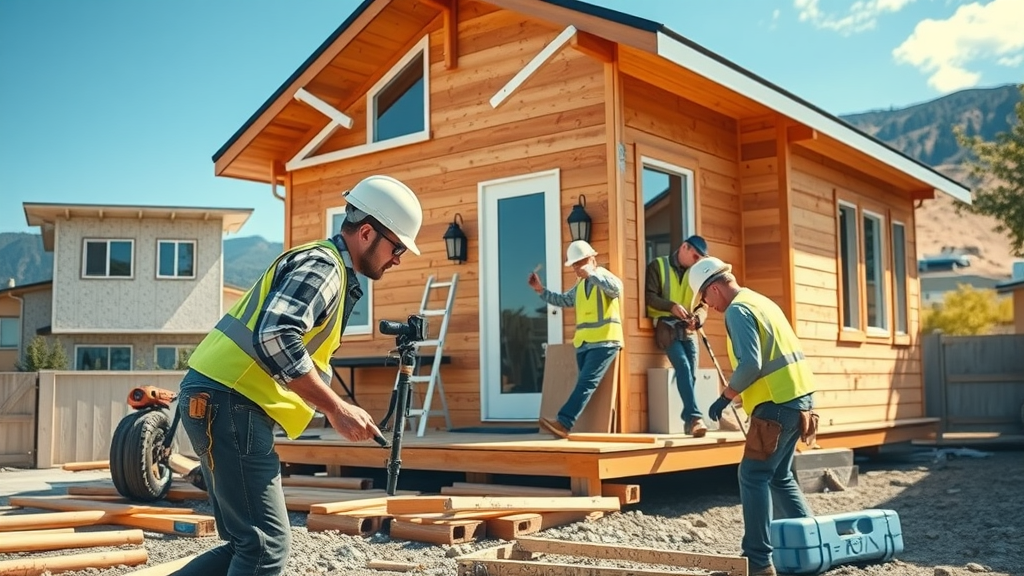
After submission, the city has 60 days to review and either approve or provide a list of needed corrections. Inspections ensure compliance with new safety regulations and code standards. Once approved, construction may begin—subject to continued oversight and final sign-off by the city.

How the City Council Shapes ADU Laws in Lafayette CA
Recent City Council Decisions on Accessory Dwelling Units
Over the past year, the city council of Lafayette has held several public meetings to address both state mandates and community feedback regarding accessory dwelling units. They’ve voted to clarify design guidelines, expand the areas where ADUs are allowed, and promote education for homeowners about the process. New efforts prioritize not only compliance with state law but also protecting Lafayette’s unique neighborhood character.
These decisions affect everything from application timeliness to the allowable styles of detached adu and conversion units. By actively responding to new assembly bill and senate bill requirements, the city council continues to evolve Lafayette’s ADU landscape to balance growth, density, affordability, and neighborhood preservation.
"The Lafayette City Council's commitment to increasing housing options through updated adu laws in CA is reshaping our local neighborhoods," says a city official.
People Also Ask About ADU Law Changes in Lafayette CA Since 2023
What is the New ADU Law in California 2023?
The new ADU law streamlines the approval process by enforcing a strict 60-day review timeline for permits, expanding development rights, and updating parking and owner-occupancy rules. Highlights include reduced setbacks, expanded exemptions from parking requirements, and allowing more flexible development on smaller lots. This allows homeowners, especially in places like Lafayette, to construct accessory dwelling units with greater confidence and fewer bureaucratic barriers.
What is the New ADU Program in California?
California’s latest adu program incentivizes local governments like Lafayette to adopt builder-friendly regulations and offers grants or low-interest loans for qualifying projects. The program aims to address housing shortages by making ADU construction more accessible—through financial aid, technical assistance, and state-mandated permit streamlining for both new builds and conversions of existing spaces.
Does an ADU Increase Property Taxes in California?
Yes, adding an ADU may increase your property’s assessed value, which in turn affects property taxes. However, only the value of the new construction is typically reassessed—not the entire property. Lafayette homeowners should consult with Contra Costa County assessors or real estate experts to understand their specific situation under new adu laws in California.

Can You Sell ADU Separately in California in 2023?
As of 2023, most ADUs—including those in Lafayette—cannot be sold separately from the main property, unless the ADU is part of a specific affordable housing program or condominium conversion approved by the local government. Otherwise, the ADU remains an accessory structure, tied to the primary home’s title and deed.
Benefits and Challenges of ADU Law Changes in Lafayette CA Since 2023
- Benefits: Easier permitting, less restrictive zoning, a broader range of housing supply, and new rental or family-use options enhance homeowner flexibility and neighborhood diversity.
- Challenges: Construction costs, frequent inspections, and navigating the updated ADU permit process can create roadblocks for some property owners, especially those unfamiliar with local regulations or managing complex projects.

Frequently Asked Questions About ADU Law Changes in Lafayette CA Since 2023
-
How do the new ADU laws in CA safeguard neighborhood character?
State rules require ADUs to match the look and scale of their neighborhoods, while Lafayette’s local code sets out specific design standards and review processes to protect neighborhood aesthetics and privacy. -
Can multifamily properties build more than one accessory dwelling unit under these rules?
Yes—new laws allow for up to two detached ADUs and multiple conversions of existing spaces in multifamily properties, provided that building and safety codes, as well as lot size requirements, are met. -
What are common misconceptions about ADU laws in California and Lafayette?
Many homeowners think ADUs always require owner occupancy or can be sold separately—both are not generally true under current law. Others underestimate how design guidelines and safety rules still apply even with relaxed zoning.

Key Takeaways: What Every Homeowner Needs to Know About ADU Law Changes in Lafayette CA Since 2023
- Stay updated on local and state adu law changes
- Take advantage of new opportunities for building an ADU
- Consult with city council or a local expert before starting
- Understand the role of accessory dwelling units in Lafayette’s housing strategy
Conclusion: Next Steps for Navigating ADU Law Changes in Lafayette CA Since 2023
Homeowners in Lafayette are empowered to create new spaces and build value through ADUs by staying informed and acting swiftly. Take advantage of streamlined permits, consult with experts, and see your accessory dwelling project thrive in 2023 and beyond!

Contact U.S. Accurate Construction for ADU Projects in Lafayette CA
Ready to build an ADU or need guidance navigating adu law changes in Lafayette CA since 2023?
You can reach out to U.S. Accurate Construction at (925) 385-7099 for expert advice, planning, and construction services tailored to the latest local and state requirements.




Write A Comment