 Add Row
  Add
Add 



Did you know Lafayette saw a 48% rise in ADU permit applications after the recent policy overhaul? This dramatic surge isn’t just a local headline—it’s a sign of a city rapidly shifting its approach to housing, development, and neighborhood life. If you own property in Lafayette or are considering investing in an accessory dwelling unit (ADU), the 2023 ADU policy changes Lafayette are rewriting the playbook for homeowners and developers alike. Let’s unpack how these updates might transform your property’s potential, your neighborhood, and your long-range planning goals—starting today.

"Did you know that Lafayette saw a 48% rise in ADU permit applications after the recent policy overhaul?" – Local Housing Analyst
A New Chapter for ADU Law: Surprising Shifts in Lafayette’s Accessory Dwelling Policy
The past year has ushered in a transformative era for ADU law in Lafayette. With the 2023 ADU policy changes Lafayette, a host of new regulations and flexibilities now shape how property owners can leverage accessory dwelling units (ADUs) on their lots. Whether you’ve been contemplating building an ADU, such as a backyard cottage, guest house, or so-called 'granny flat,' these policy changes affect everything from lot requirements to rental flexibility. The city council’s bold move reflects urgent responses to local housing needs and the ongoing housing crisis—which means homeowners must stay informed if they hope to capitalize on new opportunities.
One of the most groundbreaking shifts is the increased flexibility for detached ADUs. Lafayette’s previous adu ordinance was restrictive, capping living space, requiring strict setbacks, and mandating owner-occupancy. Now, homeowners can benefit from reduced setback requirements, larger allowed structures, and streamlined ADU permit durations. In essence, these policy changes position ADUs not only as personal property upgrades but as vital tools in the city’s evolving housing strategy. With public debate raging on about density, design standards, and neighborhood impact, there’s no better moment to understand precisely what these changes mean for you and your property.
What You'll Learn in This Article About 2023 ADU Policy Changes Lafayette
- Key aspects of the 2023 ADU policy changes in Lafayette
- How accessory dwelling units (ADUs) fit into the city’s housing strategy
- What new requirements for ADUs mean for homeowners
- Opportunities and obstacles for building an ADU in light of recent adu ordinances
- Expert viewpoints and public opinion on the evolving adu law
Understanding 2023 ADU Policy Changes Lafayette: Background and Motivation
Why Did the City Council Revise Accessory Dwelling Unit Regulations?

The rapid revision of ADU law by the city council was driven by multiple pressures. First and foremost, the local housing crisis mandated urgent, creative solutions. Limited housing stock, paired with rising costs, meant that traditional approaches could not meet demand. By allowing more flexible development of accessory dwelling units on residential zoning districts, Lafayette targeted increased supply without densifying at the scale of multi-story apartment complexes.
Additionally, the city council recognized that many homeowners sought ways to maximize their property’s utility and value—be it for family needs, rental income, or future resale. The previous adu ordinance simply couldn’t meet this need, with its stringent setbacks, minimum lot sizes, and lengthy adu permit timelines. Community dialogue, input from urban planners, and a review of best practices in cities facing similar issues all pointed toward the need for reform. As a result, the 2023 adu policy changes Lafayette created a path for balancing livability, modernization, and increased housing.
Previous ADU Ordinance vs. 2023 Policy: What’s Changed in ADU Law?
Comparing the old ordinance to the new 2023 adu policy changes Lafayette reveals substantial shifts. The reduction in minimum setbacks and the removal of owner-occupancy requirements signal a philosophical pivot: ADUs are no longer just appendages to a primary residence—they’re integral building blocks of community growth. Take a look at the table below for a quick side-by-side comparison of key adu law areas.
| Policy Area | Pre-2023 ADU Ordinance | 2023 ADU Policy Changes Lafayette |
|---|---|---|
| Setback Requirements | Minimum 10ft | Minimum 4ft |
| Detached ADU Size Limit | 800 sq. ft. | 1,200 sq. ft. |
| ADU Permit Duration | Up to 6 months | Up to 12 months |
| Owner Occupancy | Required | No longer required |
| Short-Term Rentals | Not Allowed | Case-by-case basis |

The policy shift has made it far easier for homeowners to realize their dreams of building an adu—whether as a detached adu, internal apartment, or addition. These changes are intended to encourage adaptation and innovation, even allowing for strategic short-term rentals in some cases. Moreover, the increased size limit for detached homes and elongated permit process durations substantially reduce previous obstacles, putting Lafayette in line with progressive ADU standards across the state.
Expert Opinions: Are the 2023 ADU Policy Changes in Lafayette a Boon or a Burden?
"The new adu law is a double-edged sword—it offers more flexibility, but also raises neighborhood density concerns." – Urban Planning Professor
Many experts hail the 2023 ADU policy changes Lafayette as a necessary evolution, especially considering Lafayette’s position in a state facing an ongoing housing crisis. However, not all agree with the city council’s approach. Supporters emphasize that increased flexibility allows for creative use of residential zoning districts, promotes affordable living space for seniors and young families, and democratizes the process of enhancing a property’s value. Critics, however, voice concerns about the potential for overdevelopment, parking issues, and strains on public utilities and services.
Urban planners and real estate professionals often point to the balance these changes attempt to strike. On one hand, updating requirements for adus ensures that new detached adus or granny flats maintain a compatible scale and design with existing homes. On the other, the absence of owner-occupancy requirements and the case-by-case openness for short-term rentals may significantly change neighborhood character over time. As a result, community meetings have become lively forums for discussion, with robust debate around what constitutes responsible and forward-thinking dwelling unit policy.
How the 2023 ADU Policy Changes Lafayette Impact Homeowners and Accessory Dwelling Unit Developers
Building an ADU: Navigating New Requirements for ADUs in Lafayette

If you’re considering building an ADU in Lafayette, the updated adu ordinance offers distinct advantages and important caveats. First, the minimum lot size and setback requirements are now much more attainable for average single-family lots, even in the city’s limited residential zoning district areas. Planning an adu floor plan that meets the new design standards—including a kitchen and bathroom, and independent living space—is now simpler and often faster to bring to permitting. These relaxed requirements for adus streamline engineering and architectural design, and reduce common delays stemming from complex municipal approvals.
However, to navigate these new requirements for adus, property owners must stay current with evolving codes. For example, while owner-occupancy is no longer required, Lafayette still enforces rigorous inspections and compliance reviews, especially with detached adus exceeding previous size limits. Adhering to safety, energy, and accessibility standards is non-negotiable, and failure to comply can result in costly delays or even denial of your adu permit. Consulting with a planning manager or a contractor specializing in accessory dwelling units is strongly recommended to ensure every step— from zoning checks to final inspections—aligns with the city’s updated expectations.
Accessory Dwelling Units and Neighborhood Character: Balancing Growth and Livability

Community character in Lafayette is a cherished asset, marked by tree-lined streetscapes, mature landscaping, and a careful blend of old and new houses. The influx of accessory dwelling units following the 2023 ADU policy changes Lafayette brings both promise and challenge to this delicate balance. Proponents believe that ADUs foster extended family support, enable aging in place, and create adaptable living space with minimal impact—especially when designed to reflect established architectural norms.
Still, concerns persist within neighborhoods—such as increased density, parking demand, and preservation of open space. The city has responded by instituting graduated design standards and reviewing short-term rental applications on a case-by-case basis, providing some reassurance that wholesale change won’t outpace careful oversight. For homeowners, this means taking an active role in community meetings and staying involved in decisions about neighborhood planning and accessory dwelling unit regulations. Balancing growth with livability is now a shared responsibility across Lafayette’s districts.
Step-by-Step: The Updated ADU Permit Process for Detached ADU and Other Dwelling Units
- Check zoning and updated minimum lot size for building an ADU
- Prepare plans in accordance with the revised requirements for ADUs
- Submit your accessory dwelling unit application
- Schedule inspections for your new dwelling unit
- Ensure compliance with Lafayette’s new accessory dwelling regulations
The process for securing an ADU permit in Lafayette is now more streamlined than ever. Begin by confirming your property is in a residential zoning district eligible for ADU development, and check that your lot meets minimum size requirements. Next, engage with an architect to prepare a floor plan that adheres to up-to-date design standards, including separate kitchen and bathroom facilities if you’re planning a detached adu. After plans are finalized, submit your detailed application with supporting documents—these will be reviewed by city staff for compliance with the 2023 adu policy changes Lafayette.
Inspections are an integral part of the process: expect at least two, one at the framing stage and one before occupancy is approved. Compliance with accessory dwelling regulations, from fire safety to accessibility, is paramount. Keep in mind that while permit durations are now extended up to 12 months, proactive coordination with planning staff and inspectors helps avoid delays. Use the city’s online tracking tools to monitor your application’s progress, and don’t be afraid to reach out if you need guidance—your engagement is key to a smooth ADU addition.
Common Concerns: Addressing Homeowner Questions About Accessory Dwelling Regulations
What’s One Drawback of an ADU?
Potential Increase in Neighborhood Traffic and Demand for Services

One notable drawback of expanding accessory dwelling units in Lafayette is the potential increase in neighborhood traffic and strain on local services. With more families living in formerly single household properties—especially as detached adus and granny flats become more common—service demands for trash, water, parking, and emergency response naturally grow. Residents have voiced worries at city council meetings about crowded streets and the possibility of “over-urbanization” of traditionally tranquil residential zones.
It’s not just traffic—some worry about noise, changes in the rhythm of the street, and whether infrastructure can keep pace. In response, the city of Lafayette is investing in long-range planning, focusing on upgrading roads, utility networks, and public safety resources. Homeowners should be aware of these evolving conversations and track local developments that may affect both property values and quality of life moving forward.
How Close to the Property Line Can I Build an ADU?
2023 ADU Policy Changes Lafayette Reduced Setbacks—Here’s What It Means
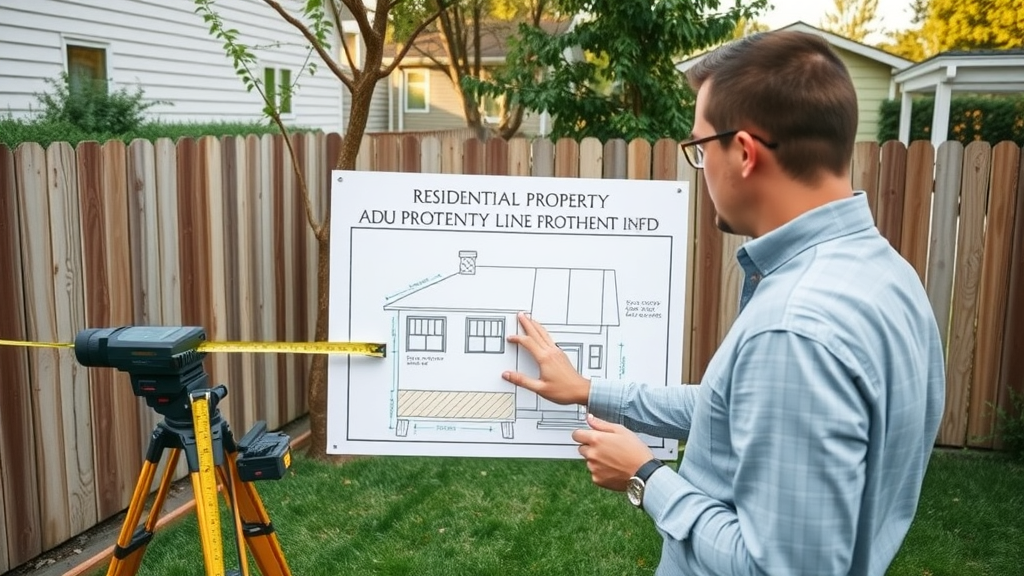
A game-changing aspect of the 2023 ADU policy changes Lafayette is the revised setback requirement. Homeowners may now build a detached adu as close as 4 feet from the property line, down from the previous minimum of 10 feet. This update creates opportunities on narrower lots and for those wishing to maximize their backyard’s functionality. However, this flexibility doesn’t negate the need to respect easements, utility corridors, or shared boundaries—so surveying and planning carefully is a must.
This change has particular significance in older neighborhoods where lot lines may be irregular, or where building an adu traditionally meant sacrificing open space or mature landscaping. Be sure to coordinate with a licensed surveyor and check for special zoning overlays that could affect your situation. By doing so, you’ll take full advantage of Lafayette’s progressive adu law while minimizing the risks of setback violations or future disputes with neighbors.
Are ADUs Allowed in Louisiana?
A Statewide Analysis of ADU Law and Local Regulations (Including Lafayette)

ADUs are allowed in many parts of Louisiana, but each municipality—including the city of Lafayette—sets its own rules. State law generally creates a legal framework for accessory dwelling units, but it is up to local governments to adapt ordinance details. Lafayette’s 2023 adu policy changes place it at the forefront of Louisiana’s movement to address housing shortages, offering a model that other cities in the state may soon follow.
Homeowners in other towns should check their specific municipal codes—terms like “detached adus,” “granny flats,” or “secondary dwelling units” may vary in use, and design standards can differ. Even within the Lafayette region, neighborhood associations and historical districts may enforce their own requirements for adus, especially around design compatibility and short-term rentals. Staying informed on the evolving landscape of adu law across Louisiana ensures you’ll make well-timed, compliant property investments.
Can New Yorkers Receive Up to $125,000 to Build an ADU?
Comparing Lafayette’s Incentives with New York’s ADU Grant Programs

While New York has attracted headlines with ADU grant programs offering up to $125,000 for new construction, Lafayette’s incentives are more limited—but still meaningful. Currently, the city focuses its resources on fee reductions, expedited permitting, and technical support, rather than direct cash grants. For some homeowners, this means lower up-front costs and faster project timelines, but not the dramatic funding available in some Northeast markets.
Lafayette officials maintain that ADU support will likely expand as the program matures and as regional and state grants become available. Homeowners interested in maximizing financial assistance should stay in close contact with city staff, monitor legislative developments, and advocate for new subsidy programs. Comparing local options to high-profile national models highlights the potential for growth in Lafayette’s own adu law landscape.
Pros and Cons List: 2023 ADU Policy Changes Lafayette
- Pro: Larger and more flexible detached ADU options
- Pro: Streamlined accessory dwelling unit permitting process
- Con: Potential strain on local infrastructure
- Con: Concerns about density and neighborhood integrity
Key Takeaways from 2023 ADU Policy Changes Lafayette
- 2023 adu policy changes lafayette provide unprecedented flexibility for accessory dwelling unit development
- Homeowners need to stay informed on evolving adu ordinance requirements
- Public debate remains over the best approach to balancing housing and community character
Frequently Asked Questions: 2023 ADU Policy Changes Lafayette
-
How do I start building an adu in Lafayette?
Start by checking your property’s zoning classification, confirming your lot size meets minimum requirements, and consulting Lafayette’s updated ADU ordinance. Work with an architect or contractor familiar with the new rules, and submit a detailed application to the city for review. -
What are the current requirements for ADUs?
Under the 2023 adu policy changes Lafayette, setbacks are reduced to 4 feet, the maximum allowed size for a detached adu is increased to 1,200 square feet, and owner-occupancy is no longer required. Compliance with safety and accessibility standards remains essential. -
Is owner-occupancy still required for accessory dwelling units?
No. The new adu law removes the previous owner-occupancy requirement. This allows more flexibility for homeowners and investors, but it also means greater scrutiny of rental practices and property maintenance standards. -
Can I rent out my ADU on a short-term basis?
Short-term rentals are now considered on a case-by-case basis under the revised ordinance. You will need to apply for approval and demonstrate compliance with city standards before listing your ADU on platforms like Airbnb or VRBO.
Conclusion: The Future of Accessory Dwelling Units Under 2023 ADU Policy Changes Lafayette
"The city council’s bold vision for accessory dwelling units will shape Lafayette’s neighborhoods for years to come."

The 2023 ADU policy changes Lafayette are a springboard for better housing, more opportunity, and fresh choices for property owners. The city’s vision—and your next step—starts now.




Write A Comment