 Add Row
  Add
Add 



Are you making hidden errors that could wreck your dream renovation? Even the most ambitious home improvement projects can fall apart from a few overlooked missteps. Whether you’re excited for a stunning kitchen transformation or an open-concept living space, avoiding critical home remodeling mistakes is the key to finishing on time, on budget, and with a space you truly love. Dive in to uncover the most frequent pitfalls, learn how to sidestep them, and discover expert insights essential for any successful home remodel.
Are You Unknowingly Sabotaging Your Home Remodel? Common Home Remodeling Mistakes to Watch Out For
- How to recognize and avoid critical home remodeling mistakes
- Steps to create a smooth and successful home renovation
- Expert tips to prevent budget and planning pitfalls
- Best practices from experienced general contractors
| Mistake | Impact | Solution |
|---|---|---|
| Skipping Prep Work | Project Delays | Detailed preparation & planning |
| Ignoring a Realistic Budget | Overspending | Set and track a renovation budget |
| Hiring Unqualified Contractors | Poor Results | Vet and check credentials |
| Overlooking Permits | Legal Issues | Secure permits beforehand |
“A successful home renovation starts with a well-researched plan and realistic budget,” says leading general contractor Lisa Tran.

1. Lack of Proper Prep Work: The Foundation of Home Remodel Success
How Skipping Prep Work Leads to Costly Home Remodeling Mistakes
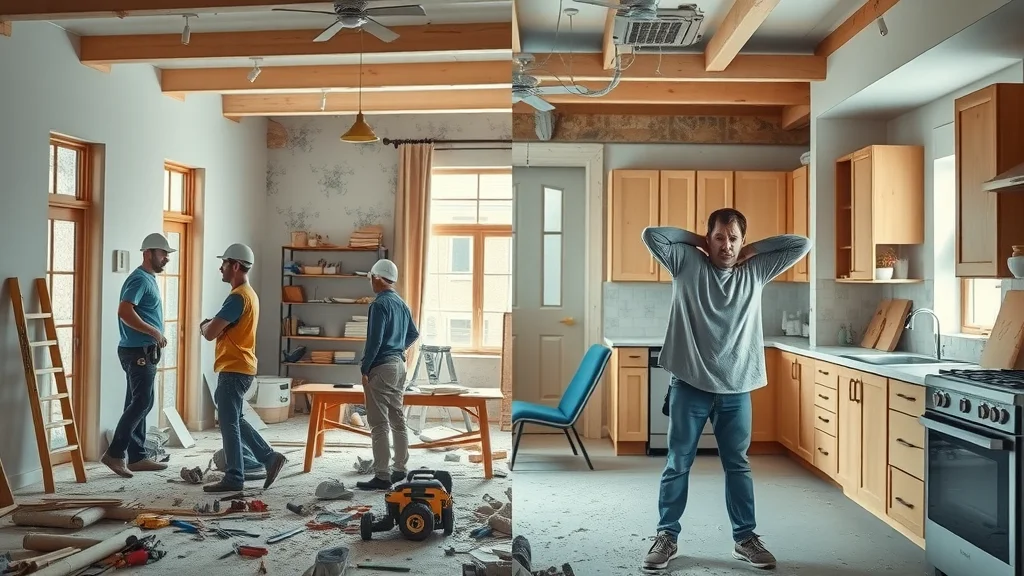
Neglecting prep work at the beginning of your home remodel can create a domino effect of costly mistakes. Detailed preparation is the backbone of every successful renovation, establishing timelines, confirming materials, and ironing out logistics. Without it, you’re inviting timeline disruption—one missed delivery or mismeasured cabinet can set your project back by weeks. Furthermore, unforeseen expenses quickly surface, from last-minute shopping trips for overlooked materials to hiring extra labor to fix preventable errors. Perhaps most damaging, a lack of upfront planning results in quality issues: doors hung crooked, tile lines that don’t match up, and contractors working at cross-purposes. Overlooking the prep stage often leads to spending more time, money, and effort correcting preventable errors. That’s why top general contractor advice always begins with careful planning, thorough measurements, and scheduling before the first nail is even hammered.
- Timeline disruption
- Unforeseen expenses
- Quality issues
2. Neglecting to Set a Realistic Budget in Your Home Renovation
Why Realistic Budgets Prevent Huge Home Remodeling and Renovation Mistakes
One of the largest sources of home remodeling mistakes comes from failing to set and stick to a realistic budget. Many homeowners dream big—premium appliances, designer tiles, and custom cabinets—but only realize halfway through their home reno that costs are spiraling out of control. A realistic, thoroughly researched budget is your best defense against overspending and project delays. First, research actual material and labor costs in your area and factor in a built-in contingency fund—usually 10–20% extra is a smart rule of thumb for surprise expenses. Use reputable home renovation cost comparison tools to check if contractor bids are reasonable; beware of both the low bid that looks too good to be true and the high bid that can quickly drain your funds. It’s also essential to track all expenses as your project progresses, which helps you pivot quickly if needed. Successful home renovations rarely happen by accident—financial clarity up front ensures you reach your vision without unexpected financial hardship.
- Best practices: research material costs, built-in contingency funds, cost comparison using home reno tools
3. Underestimating the Complexity of Electrical Work in Home Improvement Projects
Electrical Work: A Frequent Home Remodeling Mistake Homeowners Make
Among renovation mistakes, few are as dangerous as treating electrical work like a simple DIY project. The complexity of updating wiring, installing new outlets, or rewiring an older home is often underestimated. Attempting to save money here can lead to serious safety hazards—code violations, potential electrical fires, and costly rework that could have been avoided with a professional electrician. Improperly completed electrical work also delays the inspection approvals needed to move forward, adding weeks or even months to your remodeling project. Beyond physical risks, mistakes often don’t show up until it’s too late—suddenly, your beautiful new kitchen can’t power the appliances, or wall outlets pop a breaker every time you vacuum. The best home improvement project advice is to always consult or hire licensed professionals for electrical work and request documentation to prove code compliance. Cutting corners on electrical will sabotage your home remodel results and create lasting problems for your current home and future resale plans.
- Risks: code violations, safety hazards, expensive rework

4. Choosing the Wrong General Contractor for Your Home Remodel
Avoid Home Renovation Mistakes by Vetting Your General Contractor
Hiring the right general contractor is critical in avoiding some of the most devastating home renovation mistakes. A common misstep is failing to thoroughly vet your builder—accepting a low bid from an unqualified contractor or skipping background checks can result in shoddy workmanship, unfinished projects, and endless frustration. Begin by checking references and viewing previous work; a reputable contractor should be proud to show a portfolio and put you in touch with past clients. Confirm their licenses and insurance to protect yourself from liability. Don’t forget the importance of a detailed contract laying out a clear payment schedule, specific materials, timelines, and what happens if things go off-track. While it may feel awkward to ask tough questions or walk away, remember: a general contractor relationship lasts a long time and can make or break your remodel. Investing the time to choose the right expert pays off in confidence—and a finished project you’ll actually enjoy.
- Checklist: references, licenses, contract details

5. Ignoring Home Improvement Project Permits: A Costly Remodeling Mistake
How Skipping Permits Can Stall Your Home Renovation
If you think you can save time or money by sidestepping proper permits for your home improvement project, you risk making one of the most expensive home remodeling mistakes. Permits are not just bureaucratic red tape—they ensure that construction work meets safety regulations, zoning, and code standards. Skipping this step can lead to legal issues like steep fines or mandatory tear-outs. Even worse, you may run into project delays while waiting for retroactive approvals or struggle to sell your home in the future when unpermitted work is uncovered during inspections. Especially for major changes to the floor plan, electrical work, plumbing, or structural elements, always check with your city or county about building permit requirements before you start. It’s a small investment of time now to avoid massive headaches later and protect the value of your home renovation.
- Consequences: Fines, project delays, resale issues
6. Overlooking Functional Design in Home Remodel Planning
Balancing Aesthetics with Practicality to Avoid Remodeling Mistakes
Getting swept away by the latest design ideas can be tempting, but a beautiful space with a poor floor plan or limited storage quickly becomes a regret. One of the classic home remodeling mistakes is prioritizing looks over the way you actually live. To achieve a remodel that lasts, start by considering family traffic flow, energy efficiency, safety features, and practical upgrades like storage solutions. For instance, an open floor plan might look amazing but can be noisy if not well-zoned, and moving walls in an older home may uncover costly surprises. Always weigh design elements and practicality—consult with both a designer and your general contractor to identify potential issues before construction. Incorporating flexibility, smart storage, and thoughtful layout decisions means your home improvement project will function as beautifully as it looks, delivering comfort and convenience for years to come.
- Tips: open floor plan considerations, storage solutions, traffic flow

7. Cutting Corners on Material Quality During a Home Reno
How Cheap Materials Lead to Major Home Renovation Mistakes
Trying to save money by choosing the lowest price on fixtures, flooring, or trim can result in significant remodeling mistakes down the line. Low-quality materials may look fine at first but quickly show wear, stain, or warp—costing you more in maintenance, repairs, or even complete replacement. While it’s smart to shop around and compare bids (avoiding both the high bid for luxury materials and the low bid for subpar products), investing in reputable brands and contractor-recommended materials generally pays off. Factor in the long-term effects: durable surfaces will maintain value and beauty for a long time, while cheap shortcuts diminish the effect of your investment. Before making purchases, read reviews, ask your general contractor for input, and avoid being swayed only by up-front cost. In home renovations, quality truly matters for lasting performance and customer satisfaction.
- Long-term consequences: durability, maintenance costs

8. Failing to Plan for Unexpected Issues in Home Remodeling Projects
Planning for Surprises: The Key to Preventing Home Remodeling Mistakes
No matter how meticulous you are, every remodeling project comes with surprises—hidden mold, outdated wiring, or delays from back-ordered supplies. The biggest mistake is not preparing for these obstacles with a proactive plan. Start by setting aside an emergency fund (at least 10–20% of your realistic budget) that’s reserved for unforeseen issues. Maintain a flexible project timeline—sometimes, a long time is needed between phases to accommodate unexpected changes. Regularly communicate with your general contractor about risks specific to your project, such as remodeling an older home or opening up walls in a kitchen and bath area. By planning for contingencies in advance, you’ll be able to adapt, minimize stress, and keep your remodeling project moving forward. Flexibility and preparation are your best tools for delivering a smoothly finished home reno, no matter what comes your way.
- Proactive steps: emergency funds, flexible timelines
9. Poor Communication with Your General Contractor During Home Renovation
Why Communication Breakdowns Lead to Renovation Mistakes
Avoiding misunderstandings is crucial to keeping your home remodel on course. Communication breakdowns between homeowners and contractors are a leading cause of delays, cost overruns, and frustrating results. Ensure regular updates with your general contractor—set meetings to review progress and discuss any concerns. Always put agreements in writing, from project scope to material changes and payment schedule, to prevent disputes. If a problem arises, resolve it quickly using agreed-upon protocols rather than letting issues fester. Remember, a positive homeowner–builder relationship depends on openness and respect. Prioritizing clear, ongoing communication helps set realistic expectations, minimize mistakes, and create a smoother home renovation experience from start to finish.
- Best Practices: regular updates, written agreements, problem resolution protocols

10. Overestimating DIY Home Improvement Capabilities
DIY Limitations: Avoiding Classic Home Remodeling Mistakes
Some DIY projects are perfect for a weekend, but overestimating your skills—or taking on too much at once—can lead to classic home remodeling mistakes. Certain jobs, like structural changes, electrical work, or complex tiling, demand a level of expertise, tools, and time that most homeowners don’t have. Attempting these can cause unsafe results, fail to meet code, or require a professional redo at significant extra cost. A good rule of thumb is to honestly evaluate your DIY skills and focus on tasks you’ll truly enjoy and complete safely. Know when to call in a professional contractor for the rest—especially with work affecting resale value or safety. Recognizing your DIY limits isn’t a weakness; it’s smart planning for a successful home improvement project.
- When to hire a professional, safety, code compliance
People Also Ask: Common Questions About Home Remodeling Mistakes
What are the most common home remodeling mistakes?
- Many homeowners make mistakes like skipping prep work, underestimating budgets, hiring the wrong contractors, neglecting permits, and overreaching with DIY projects. These errors often lead to project delays, overspending, legal issues, and unsatisfactory results. Recognizing and avoiding these home remodeling mistakes early ensures a smoother and more successful renovation.
How can you avoid going over budget during a home renovation?
- To control costs, research actual expenses for materials and labor, set a realistic budget with a built-in contingency fund, and track spending carefully. Using home reno comparison tools and regularly communicating with your general contractor about progress and budget changes are key steps to sidestepping common home renovation mistakes related to overspending.
Why is communication with your contractor so critical during a remodel?
- Clear, consistent communication helps prevent misunderstandings and ensures everyone is on the same page regarding design, schedule, and expenses. Regular meetings, written contracts, and clear agreements are vital to avoiding renovation mistakes that can derail your home improvement project.
Essential Home Remodeling Mistakes Checklist
- Confirm all permits and approvals are secured
- Double-check measurements and materials
- Maintain clear, ongoing communication with contractors
- Plan for contingencies and be flexible
- Invest in quality materials
Key Takeaways from Avoiding Home Remodeling Mistakes
- Preparation and planning are crucial for home remodel success
- Budgeting and quality cannot be overlooked
- Communicate clearly with your team
- Always expect the unexpected
FAQs on Home Remodeling Mistakes
What is the most common home remodeling mistake?
The most common mistake is a lack of proper prep work—skipping planning and research sets the stage for delays, unexpected costs, and unsatisfactory results. Take the time to plan in detail for a smoother, more successful home remodel.
How can I avoid home renovation budget overruns?
Start with thorough research, set a realistic budget including a contingency fund, get accurate contractor estimates, and monitor expenses closely throughout your renovation. Good communication with your general contractor helps keep spending on track.
Why is hiring the right general contractor so important?
The right general contractor brings skill, accountability, and project management expertise. Vet their licenses, references, and communication style to avoid major setbacks and ensure your home improvement project is completed to your standards.
Should I try to DIY major home improvement projects?
While DIY can be rewarding for small upgrades, major work—especially structural, electrical, or plumbing jobs—should be left to professionals. This approach avoids code violations, costly rework, and keeps your home and family safe.
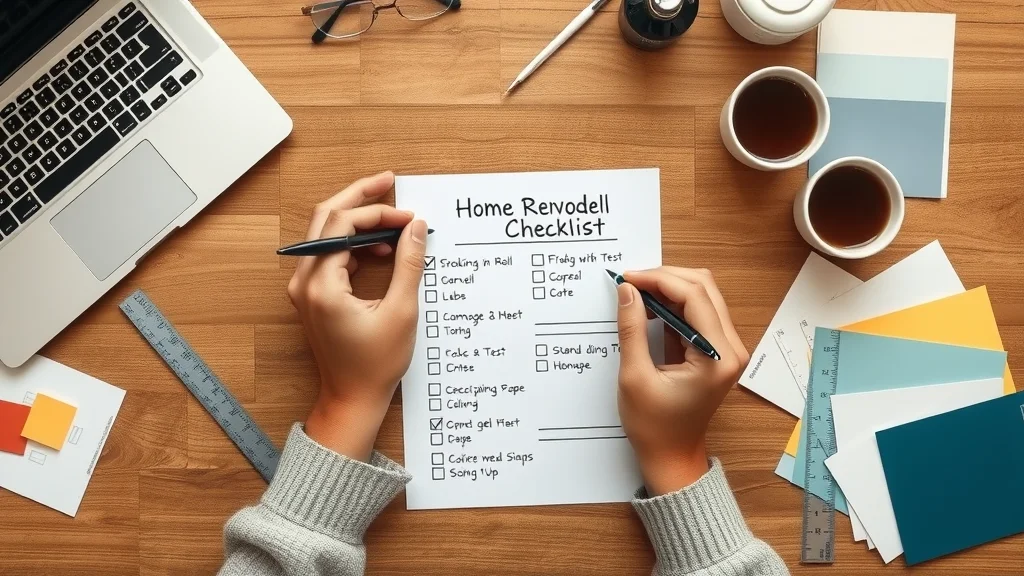
Ready to Transform Your Space? Start Your Home Remodel the Right Way—Download Our Free Pre-Renovation Checklist and Prevent Costly Home Remodeling Mistakes!
Kick off your next project with confidence. Download our comprehensive checklist today to avoid common home remodeling mistakes and achieve the beautiful home you deserve!




Write A Comment