 Add Row
  Add
Add 



Did you know that nearly 60% of DIY home renovation projects exceed their original budget—often due to simple but expensive mistakes? If you’re planning your next home remodel, understanding the true risks involved isn’t just smart, it’s essential. From hidden building code violations to encountering hazardous materials like lead paint or faulty electrical work, the potential pitfalls of do-it-yourself renovations can quickly turn cost-saving ambitions into budget-busting disasters. In this comprehensive guide, we’ll uncover the most overlooked diy remodeling risks, offer practical advice on when to hire a professional, and help you avoid mistakes that could cost you far more than anticipated in your home improvement journey.
A Surprising Look at DIY Remodeling Risks: Startling Facts You Need to Know
"Recent studies show that nearly 60% of DIY renovation projects exceed their initial budget due to unforeseen risks and mistakes."
— National Association of Home Builders
The surge in diy home and diy renovation projects has led to a significant increase in unexpected costs and safety incidents. Many homeowners are lured by the promise of saving money and enhancing their living space but are often unprepared for the realities of local building codes, structural work, and the expertise required for electrical work and plumbing. While tackling a renovation project yourself can be rewarding, the hidden risks—like ignoring local building regulations or mishandling tools and materials—can add thousands to your budget.
Additionally, a growing number of home renovation and home remodel jobs are stalling halfway or must be redone by professionals, further escalating the financial burden. Incomplete renovation projects can reduce home value and even make a property unsellable until major corrections are made. Understanding these issues is critical before you pick up your first power tool, paint roller, or attempt a complex kitchen remodel on your own. With more homeowners sharing stories of budget blowouts and hazardous discoveries, it’s clear that taking a data-driven approach to planning and executing your renovation is the safest path forward.

Unveiling the True Costs of DIY Home Renovation Mistakes
Embarking on a diy home improvement project might initially seem like a way to save money, but hidden risks quickly transform minor errors into costly setbacks. Simple mistakes, like mismeasuring lumber or purchasing low-quality materials, can snowball into extensive repairs—sometimes requiring you to hire a professional to rectify the damage. Budget overruns frequently stem from unforeseen issues, such as discovering water damage behind walls, encountering old wiring that isn’t up to current building codes, or failing to anticipate the high cost of specialty power tools and safety equipment.
Furthermore, insurance policies may not cover repairs caused by DIY errors or unpermitted work, leaving you solely responsible for any accidents or failures. Homeowners can unintentionally violate local building codes by skipping required permits and inspections, resulting in hefty fines and additional corrections. Ultimately, while DIY renovations can seem like substantial cost-savers, comprehensive planning and a solid understanding of potential pitfalls are vital for preventing financial surprises and ultimately protecting your investment in home improvement projects.
Why DIY Remodeling Risks Are on the Rise in Home Improvement
The popularity of renovation shows, online DIY tutorials, and the rising costs of professional labor have fueled a surge in homeowners attempting complex home improvement and kitchen remodel projects themselves. However, this trend comes with a steep learning curve. Many enthusiasts underestimate the true scale of tasks like electrical work, plumbing, and structural changes, often conflating enthusiasm with expertise.
Building codes are regularly updated, and local requirements may differ significantly from one municipality to another. Failing to keep up with these changes—or assuming that internet tutorials reflect local building codes—exposes homeowners to legal and safety risks. Increased awareness of hazardous materials, such as lead paint and asbestos, has also made certain diy renovation projects riskier than anticipated. As a result, the potential for expensive mistakes and legal complications is higher than ever before, demanding a cautious and well-informed approach to any significant home renovation project.
What You'll Learn About DIY Remodeling Risks, DIY Renovation, and Home Renovation
- How to spot common DIY renovation pitfalls before you start
- Understanding local building codes and legal responsibilities
- When to hire a professional for your home remodel
- Top hazardous materials present in older home renovations
- Essential tools and materials for a safe diy home improvement project
The Most Overlooked DIY Remodeling Risks in DIY Renovations and Home Remodels
- Ignoring building codes: The cost of non-compliance
- Underestimating structural and electrical work failures
- Accidental damage — when a kitchen remodel turns costly
- Lead paint and other hazardous materials in home renovations
"Just because you can doesn’t mean you should: DIY home risks might not be obvious until it’s too late."
— Professional Contractor
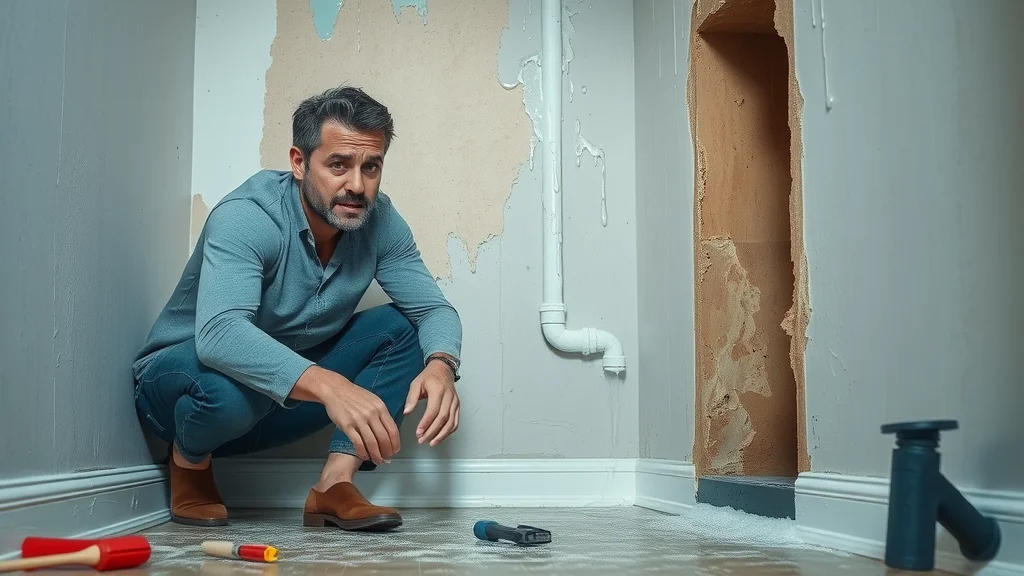
Many of the most significant diy remodeling risks aren’t apparent until well into a renovation project. Ignoring building codes can lead to expensive fines and even forced demolition if unapproved changes are discovered by local authorities. Connecting electrical work, handling live wires, or making changes to a home’s load-bearing structure without the necessary experience can lead to dangerous and expensive consequences.
Accidental damage is another common risk—especially in high-value areas like a kitchen remodel. Breaking tiles, damaging countertops, or unintentionally nicking a water line can quickly wipe out any projected savings. Meanwhile, older homes often contain hazardous materials like lead paint or asbestos, which require specialized handling and legal disposal procedures. The result? What started as a “simple” improvement project can escalate into a situation requiring emergency professional intervention—at a far higher cost than hiring an expert from the beginning.
Common Costly Errors in DIY Renovation Projects and Home Improvement
Budget Blowouts: Why DIY Home Remodels Often Exceed Expectations
The allure of a cost-saving diy home project can vanish when unexpected challenges arise. Unanticipated expenses account for the majority of budget overruns in diy renovations—especially when hidden damage or noncompliance with building code is discovered mid-project. Small missteps, such as underestimating the amount of paint or miscalculating measurements, force you to purchase additional tools and materials. Worse yet, major mistakes often require the intervention of a licensed professional to fix code violations, plumbing leaks, or unsafe wiring—turning an attempted cost-cutter into a long run expense. Careful planning, setting aside a generous contingency fund (the so-called “30% rule”), and being honest about your DIY skill level are key to keeping your renovation budget on track.
Another cause of budget blowouts is failing to account for the full scope of a home renovation project—like not including the cost of proper safety equipment or the fees required for building permits. Over the long run, homeowners who are diligent with budgeting, planning, and code compliance are able to save money and avoid the spiraling costs that so often derail home improvement projects. Remember, shortcuts and overlooked details are rarely cheaper in the end.
The Danger of Cutting Corners with Tools and Materials
Using subpar materials or skipping proper safety steps is a serious, yet common, source of diy remodeling risks. Opting for the cheapest paint, screws, or floorboards can lead to rapid wear, frequent repairs, and at times, complete project failure. Safety equipment, such as protective gear, gloves, and eye protection, should never be optional—especially when working with power tools, electrical wiring, or hazardous materials. Skimping in this area is not just a budget risk, but a safety hazard that can result in significant injuries or property damage. Remember, the quality of your tools and materials directly impacts the success, safety, and longevity of your home improvement project.
Furthermore, experienced professionals have access to industry-standard, high-quality tools and materials often unavailable to the average homeowner. This expertise can reduce mistakes, increase efficiency, and ensure compliance with current building codes. If you must do it yourself, invest in accredited renovation products and maintain a safe, organized workspace. Taking shortcuts rarely pays off—proper tools, materials, and preparation are the foundation of lasting diy project success.

Electrical Work and DIY Renovating: Safety and Legal Risks
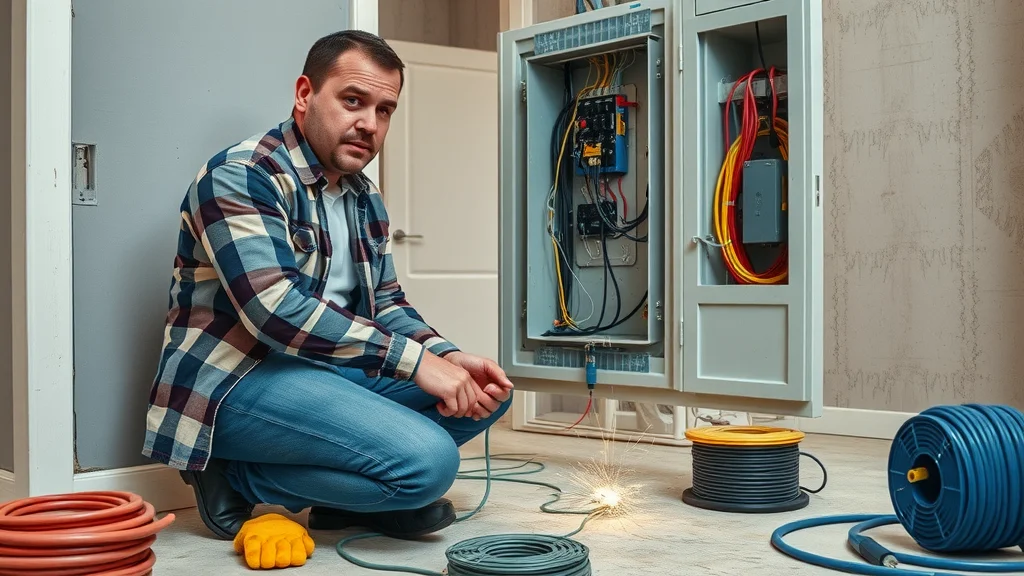
Tackling electrical work in a diy renovation is one of the most hazardous decisions a homeowner can make without the proper training. Electrical code regulations exist for a reason—improper connections, incorrect wire sizing, or poorly grounded circuits are not only code violations but can also lead to fires, electrocution, or catastrophic property damage. Most municipalities require a licensed professional for anything beyond basic fixture replacement. Mistakes can result in large fines, denied insurance claims, and expensive corrections when selling the property.
Even experienced DIYers can inadvertently create hidden hazards by overlooking outdated wiring, confusing load-bearing requirements with local building codes, or failing to identify subtle differences in building materials and standards. It’s vital to understand the limits of your own expertise when working on electrical systems—especially given the risks involved and the high standards mandated by building inspection authorities. When in doubt, hiring a certified electrician is the safest investment you can make in your home renovation project.
Understanding Building Codes and Local Building Regulations in DIY Home Projects
Building codes are a complex but crucial part of any home improvement project. They dictate everything from the type of electrical wiring permitted to minimum ceiling heights and structural requirements. These regulations protect both current and future residents by ensuring renovations are structurally sound and safe. Yet, many DIYers attempt projects without reading or understanding their local building codes—which is one of most significant and costly diy remodeling risks. Violations can stop a project in its tracks, invalidate your home insurance, or lead to costly legal woes down the road.
It’s not enough to rely on generic online tutorials; cities and counties have specific code requirements that may vary considerably. Before starting any significant diy project, check with your local building department, obtain required permits, and, if you’re unsure, consult a licensed professional to avoid costly errors. Compliance ensures your home remodel stands the test of time and is free from legal obstacles if you ever decide to sell your property.
| DIY Remodeling Risk | Estimated Cost to Fix | Potential Legal Fine | Professional Cost (if hired initially) |
|---|---|---|---|
| Electrical work code violation | $2,000–$5,000 | $500–$2,000 | $500–$1,500 |
| Structural work failure | $5,000–$15,000 | $1,500–$5,000 | $2,000–$7,000 |
| Lead paint or asbestos handling | $3,000–$10,000 | $1,000–$10,000 | $2,500–$6,000 |
| Unpermitted kitchen remodel | $5,000–$30,000 | $1,000–$10,000 | $10,000–$25,000 |
Building Code Violations and Their Long-Term Impact on Home Renovations
Local Building Codes vs. DIY Ambitions: What Homeowners Need to Know
Local building codes are designed to protect everyone: homeowners, contractors, and future occupants alike. Unfortunately, many diy renovating enthusiasts fail to research their city’s requirements, leading to costly compliance issues later. Unpermitted work can result in forced demolitions, denied insurance claims, and major delays in home improvement projects. In severe cases, unapproved changes can make it impossible to legally sell your property until the issues are corrected by a licensed professional.
If your diy project involves electrical work, plumbing, or structural changes, always verify your city’s permitting requirements—and never substitute guesswork for expert opinion. Hiring a contractor for complex renovations can save money in the long run by ensuring all rules are followed from the start. Remember: local building codes change frequently and differ from one municipality to another. Stay informed and diligent, or your home remodel could become your biggest regret.
Real-Life DIY Renovations Gone Wrong: Case Studies
Consider the homeowner who attempted a basement finishing project, unaware that the existing wiring was not up to current building codes. After installing drywall and expensive flooring, an inspection revealed major violations and required all work to be torn out and redone by a licensed professional—at triple the original cost. In another case, a simple kitchen remodel escalated when a support wall was accidentally weakened, causing both structural damage and legal fines. The lesson in these stories is clear: Even seemingly minor oversights in compliance, materials, or skill level can have catastrophic consequences on your home renovation project and your wallet.
Diy renovations often draw out over months, with errors compounding as each phase progresses. The cost to retrofit, repair, or legalize unapproved work usually outweighs the initial savings, leaving homeowners wishing they had hired skilled help from the beginning. These cautionary tales underscore why research, permits, and professional consultations should never be skipped.

How Unpermitted Work Affects Home Value and Resale
Unpermitted work is a red flag for buyers and real estate agents alike. If a home inspection uncovers undocumented diy remodeling, you may be required to dismantle completed work, undergo expensive remediation, or even lose a sale. Many insurance companies won’t cover claims related to unpermitted or substandard renovations, especially for electrical work, plumbing, or structural modifications.
Buyers are increasingly savvy about checking municipal records and code compliance. DIY home improvement projects that don’t align with local building codes can ultimately cost you tens of thousands in lost equity, negotiated sale price reductions, or fees to legalize the work after the fact. Always prioritize compliance and transparency to protect your investment and future resale value.
The Hidden Dangers: Hazardous Materials in DIY Home Renovation
- Spotting lead paint in older home renovations
- Asbestos and mold: How they complicate DIY renovation risks
- Legal disposal and safety measures for hazardous materials
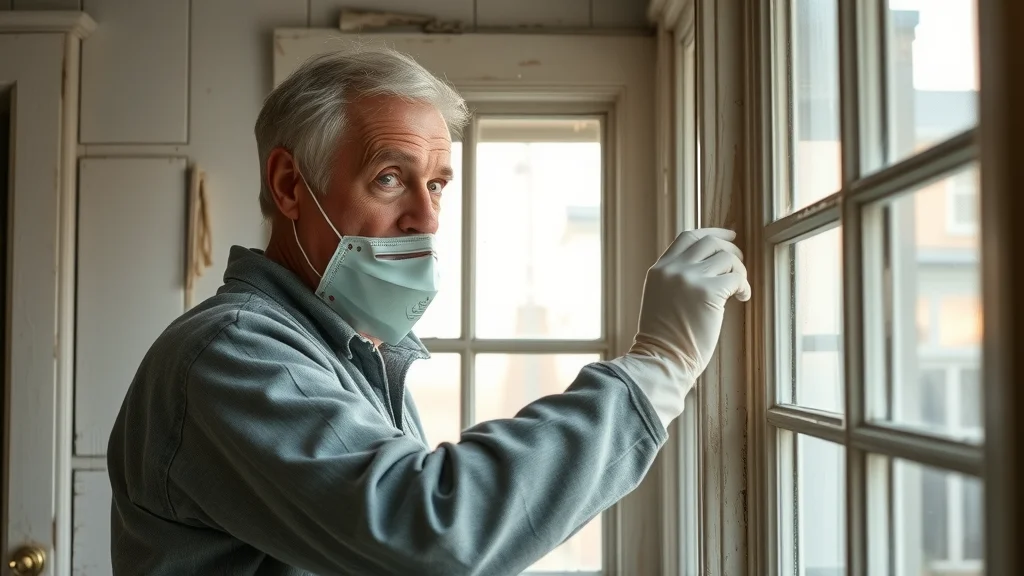
Hazardous materials like lead paint, asbestos, and hidden mold present significant diy remodeling risks—especially in homes built before the 1980s. Mishandling these materials can endanger your family’s health, lead to regulatory fines, or even cause severe respiratory illnesses. Spotting outdated finishes, insulation, or suspicious odors is essential before you start any major diy renovation. Specialized removal and disposal of hazardous materials should always be handled by licensed professionals, in accordance with local laws and environmental guidelines.
If you suspect the presence of lead paint or asbestos, test the area before disturbing walls, floors, or ceilings. Invest in professional remediation whenever hazardous materials are confirmed—these costs are minor compared to the health and legal ramifications of improper handling or disposal. Protecting yourself and your family should always come first in any home improvement project.
When to Hire a Professional: Evaluating Your DIY Renovation Skills
Which Home Remodel Projects Are Best Left to Professionals?
Not every project is right for the ambitious DIYer. Complex electrical work, major plumbing changes, load-bearing wall modifications, and anything requiring specialized building code knowledge should always be managed by a professional. Experienced contractors not only prevent costly mistakes but also expedite permits, guarantee insurance compliance, and ensure every facet of your home improvement project is done safely and according to code. Methods that seem simple in online tutorials can require years of experience to execute properly—so always be honest about your limitations and don’t be afraid to hire a professional when a renovation project exceeds your comfort zone.

How to Find a Qualified Contractor for Home Improvement Needs
- Evaluate the complexity of your renovation
- Check local building codes for licensing requirements
- Assess your comfort level with power tools
- Request quotes and references from contractors
Finding the right contractor starts with clear project goals and honest self-assessment. Research local contractors’ reputations and ask for references or photos of recent renovation projects. Confirm licensing and insurance, and be prepared to compare bids. Open, ongoing communication ensures your objectives are met and helps avoid surprises throughout the improvement project. When in doubt, choose a professional who has experience with your specific type of home, era, or desired finish. This decision could save you thousands and ensure a smooth, compliant home renovation experience.
Essential Tools and Materials for Safe DIY Home and Kitchen Remodels
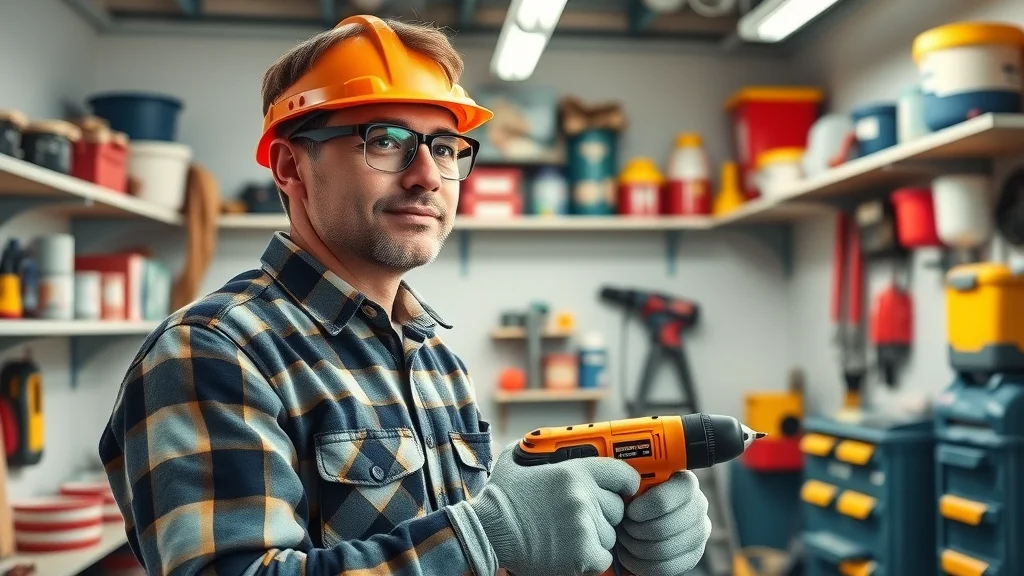
- Must-have power tools for renovation projects
- Safety equipment for handling electrical work and hazardous materials
- Recommended sources for accredited kitchen remodel materials
No matter the size of your improvement project, investing in high-quality, well-maintained tools and materials is critical. Every diy home remodel should start with at least a basic set of power tools—such as a drill, saw, and sander—as well as essential safety equipment like gloves, goggles, and dust masks. When working with electrical installations or hazardous building materials, never skip protective gear or certified materials; these can protect your long-term health and the structural value of your home.
Reputable home improvement stores and manufacturers are your best bet for finding accredited building materials and tools. Many professionals recommend purchasing supplies from trusted sources with clear warranties and compliance with building code standards. The right investment in preparation pays dividends in safety, performance, and long-term value for your next renovation project.
In this video, learn the biggest mistakes and risks homeowners face in DIY remodeling, and discover expert advice to avoid them.
People Also Ask: DIY Remodeling Risks in Home Renovations
What is the 30% rule in home renovation?
Understanding the Importance of Budget Buffers in DIY Renovating
The “30% rule” suggests that you set aside an additional 30% of your projected budget to cover unforeseen expenses during a home remodel or diy home project. This buffer accounts for surprises, hidden damage, code upgrades, or the sudden need to hire a professional. Exercising this rule can be the difference between a well-managed budget and a spiraling financial investment. Every improvement project—especially a kitchen remodel or work involving structural or electrical elements—benefits from this prudent approach.
What is the most common hazardous material renovators encounter?
Lead Paint in Home Renovations: How DIYers Should Respond
Among the most frequently encountered hazards, lead paint is common in homes built before 1978. Its presence during diy renovations is dangerous because dust or chips can cause serious long-term health problems, especially for children and pets. DIYers should always test painted surfaces before sanding or demolition. If lead paint is found, halt your project and hire a licensed professional—improper removal is illegal and can contaminate your entire living space. Safe and legal disposal of hazardous materials is not only better for your health but required by building code regulations.
Is DIY home renovation worth it?
Weighing Risks, Rewards, and Long-Term Home Value
DIY renovation can deliver personal satisfaction and potential savings, but only if you are realistic about risks, your skill level, and the demands of the home improvement project. Cutting corners or ignoring code compliance may create bigger problems and higher costs later. Conversely, for simple projects like painting or cosmetic updates, DIY can offer real value. For complex or risky renovations, hiring a professional is often safer and cheaper in the long run—helping you save money and time while safeguarding your investment.
What are the difficulties in doing DIY?
The Biggest Challenges in DIY Renovations and How to Overcome Them
DIYers face several challenges including lack of specialized knowledge, time management, and access to proper tools and materials. Navigating local building codes, fine print in insurance policies, and hazardous materials all increase the complexity. Overconfidence and skipping safety protocols are among the most dangerous pitfalls. Overcoming these obstacles requires careful research, setting realistic limits for your skills, and seeking professional guidance when faced with a steep learning curve or regulatory uncertainty. Successful home improvement projects start with preparation, patience, and a willingness to learn—or defer to the pros when needed.
Key Takeaways: Avoiding DIY Remodeling Risks in Home Improvement
- Adherence to building codes prevents legal and financial setbacks
- Hiring a professional can save money in the long run
- Recognizing hazardous materials protects your health
- Proper planning reduces the risk of budget overruns
FAQs About DIY Remodeling Risks and Home Renovation
-
What are the first steps to mitigate DIY renovation risks?
Start with thorough research on your specific project, check local building codes, secure the right tools and materials, and be honest about your capabilities. When in doubt, consult with licensed professionals. -
How can building code violations affect insurance coverage?
Insurance companies may refuse to cover damage stemming from unpermitted or non-compliant renovation projects, leaving you solely responsible for costly repairs or claims. -
Is it safe to tackle electrical work in a DIY home project?
Most electrical work should be left to qualified professionals due to serious risks of fire, electrocution, and legal violations. Always check your local building codes before attempting any electrical modifications.
Discover what industry experts say are the top pitfalls of DIY remodeling, and how to avoid them for a successful home renovation project.
Ready to tackle home renovations with confidence? Download our Essential Home Renovation Planning Checklist!
Don’t let a well-intentioned DIY project become a costly mistake. Plan carefully, respect building codes, and never hesitate to hire a professional for peace of mind and lasting results.




Write A Comment