 Add Row
  Add
Add 



Our homes hold memories, reflect our tastes, and shape the quality of our daily lives. The journey to your dream home is about more than upgrading old floors or fixing worn-out walls—it's about transforming every corner to match your vision and story. If you want to unlock the secrets of an extraordinary home remodel, mastering home renovation best practices is essential. Whether you’re chasing sunlight in your living room or hoping for a kitchen renovation that truly becomes the hub of your household, this guide is your blueprint. Let’s explore how to turn your renovation ideas into a home that inspires you, feeds your soul, and stands the test of time.
Connect With Your Vision: Why Home Renovation Best Practices Matter
Embarking on a home renovation isn’t just a practical project—it's an emotional investment. Applying the right home renovation best practices ensures that your remodeled space isn't just beautiful, but functional, durable, and perfectly suited to your life. By connecting deeply with your personal vision, you’ll transform a standard remodeling project into a journey toward your dream home. It's about infusing character into every space, from a light-filled living room to a modern, energy-efficient kitchen. The process requires careful planning and a focus on your goals, helping you avoid costly mistakes and align each update with your ideal home design.
Best practices set a framework for each decision along the way. They help you choose quality materials, create a floor plan that maximizes your existing space, and prioritize upgrades that will increase convenience and value—without breaking the bank. As you begin your home reno or house renovation, these principles guide every phase, from the first sketches to the finishing touches. Rooting your journey in proven strategies allows you to save money, prevent stress, and create a living environment that feels truly yours.
Crafting Your Dream Home Through Home Renovation Best Practices
Every home remodel starts with a dream, whether it’s opening up your living area to draw in natural light or turning a tired kitchen into a vibrant family gathering spot. When you put best practices at the center of your plan, your renovation guide becomes a map to realizing those dreams. This approach brings clarity to your design choices, helps coordinate contractors and interior designers, and keeps you on schedule and budget. Most importantly, each room is shaped with intention—transforming everyday areas into unique, personalized havens.
"A home remodel isn’t just about walls and floors—it’s about creating spaces that tell your story."
What You’ll Learn: Home Renovation Best Practices for Lasting Elegance
- How to plan and budget effectively for home renovation
- Top industry tips to save money without sacrificing quality
- Design guidelines for kitchen renovation, living room comfort, and maximizing natural light
- Step-by-step advice from renovation guide experts
- Key considerations in house renovation and home remodeling
Understanding the Basics: Essential Home Renovation Best Practices
Defining Your Renovation Goals and Scope
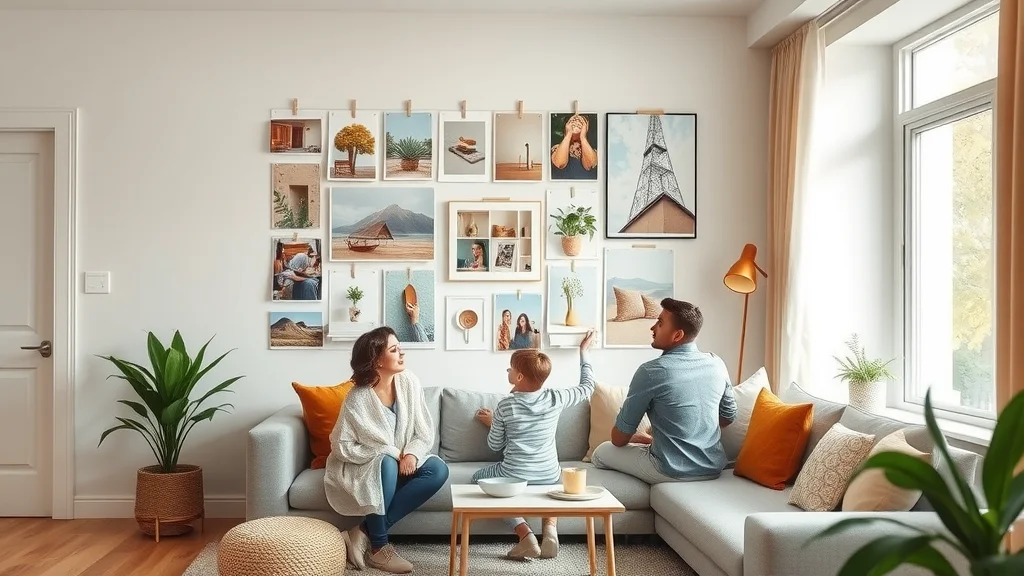
Before any work begins, the success of your home remodeling project depends on clearly defining your goals and the scope of what you hope to achieve. Start by visualizing your dream renovation and identifying the key component of comfort, functionality, and style you want in each area. Are you primarily focused on a kitchen renovation for better flow, or is expanding the natural light in your living room the ultimate goal? By clarifying your objectives, from improved livable space to storage area solutions, you’ll craft a floor plan that suits your lifestyle and guides every design and budget decision.
Outline specific areas you wish to update, such as kitchen and bathroom, or even the layout of your kitchen. Carefully list must-haves versus nice-to-haves. This clarity not only helps you communicate with contractors or your interior designer, but also becomes a critical reference point throughout your home remodel. Documenting your vision and priorities will allow you to avoid scope creep, maintain control over costs, and truly transform your project from a standard home reno into the personalized haven you’ve envisioned.
Assessing Your Current Home and Identifying Needs
Take inventory of what works and what doesn’t in your existing space. An honest assessment helps pinpoint which upgrades are necessary—like addressing outdated heating and cooling or improving inefficient exterior walls—and where you can reuse materials to save money. Walk through every room noting pain points, from cramped layouts to a lack of storage area, and consult with a home inspection professional if needed. This evaluation grounds your renovation guide, providing insight into the value of each proposed update.
Don’t overlook the potential hidden within your current home’s bones. Sometimes, simple changes in interior design or the strategic addition of windows can unlock a home’s potential far beyond full-scale demolition. Knowing what your home already offers allows you to plan renovations that enhance, rather than replace, your livable space, offering both budget and environmental benefits. Assessing needs upfront will set the path for a smoother renovation project that truly aligns with your dream home goals.
| Renovation Task | Estimated Cost | Timeline |
|---|---|---|
| Kitchen renovation | $12,000-$25,000 | 3-6 weeks |
| Living room update | $5,000-$15,000 | 2-4 weeks |
| Bathroom remodel | $7,000-$15,000 | 2-3 weeks |
Step-by-Step Renovation Guide: Home Remodel Phases and Procedures
Home Renovation Best Practices for Planning and Design
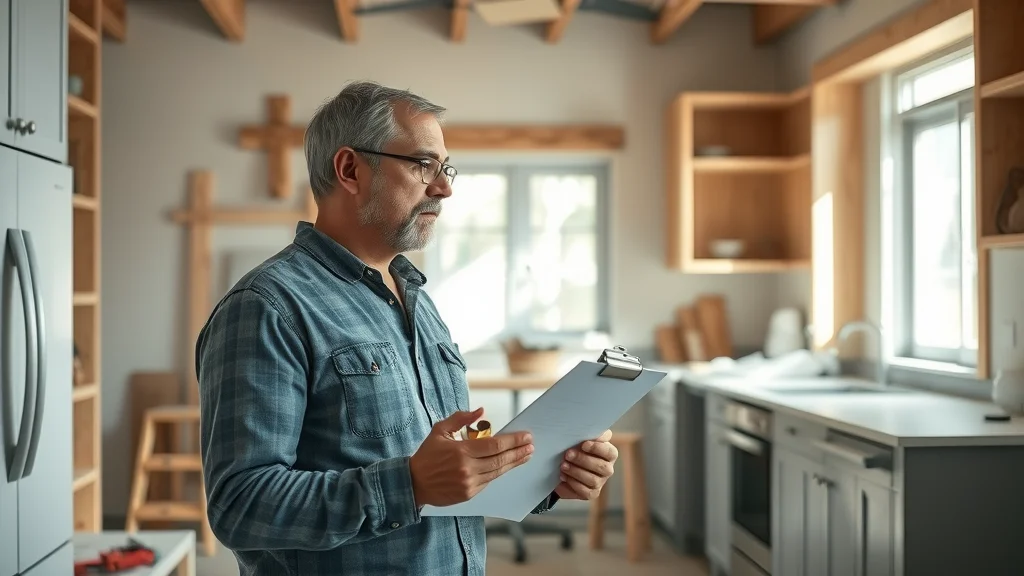
Successful home remodeling starts on paper, not with a sledgehammer. Developing a detailed plan—including your floor plan, desired interior design, key component priorities, and a reasonable schedule—sets your project up for success. Collaborate with an architect or interior designer to translate your goals into actionable renovation project blueprints. Use mood boards and samples to refine material selections, color palettes, and textures that not only reflect your vision but also promote long-lasting style and value.
Address function and beauty together. For instance, planning the kitchen layout for workflow efficiency is just as important as choosing stylish backsplashes. Each design choice should serve a purpose—like optimizing natural light through strategic window placement or creating flexible, open-plan living spaces that adapt to your family’s needs. When you follow home renovation best practices in the planning phase, you streamline every step, reduce the risk of costly revisions, and create livable space that feels both intentional and inviting.

Budgeting and Saving Money: Smart Strategies for Home Remodelling
A sound budget is the cornerstone of every successful home remodel. Estimate costs for each phase of your renovation project, including hidden expenses like permits or unexpected repairs. Prioritize high-impact rooms—like the kitchen and living room—where updates yield the most value for money and improve everyday life. Seek out opportunities to save money by reusing existing materials, shopping smart for quality material alternatives, or completing low-skill updates yourself.
Communicate transparently with contractors and suppliers to eliminate surprises. Consider phased renovations, which allow you to complete big part of the work without straining your cash flow. Take advantage of energy-efficient upgrades, such as heat pump systems and LED lighting, to not only reduce your long-term bills but also qualify for green rebates and incentives. Careful financial planning turns ambitious home remodeling ideas into stunning realities—without the stress of breaking the bank.
Hiring Professionals vs. DIY in Home Renovation
Deciding between a DIY approach and hiring professionals is a key component of your house renovation strategy. Assess your timeline, skills, and the complexity of each project phase. Simple updates—like painting or installing shelves—can often be completed by homeowners, offering a chance to save money and connect personally with your living environment. However, structural changes, plumbing, electrical work, or complex interior design installations are best left to certified experts to safeguard your investment and guarantee code compliance.
When you bring in professionals, you benefit from their experience, advanced tools, and understanding of local regulations—ultimately streamlining your remodeling project and mitigating risks. A blended approach, where you handle basic tasks but delegate critical phases to trusted contractors, allows you to maximize your budget and get hands-on with your dream home. Weigh the pros and cons for each task, and don’t hesitate to consult your renovation guide or interior designer as you chart the best course forward.
Designing for Impact: Home Renovation Best Practices in Key Spaces
Kitchen Renovation: Trends, Layouts, and Functionality
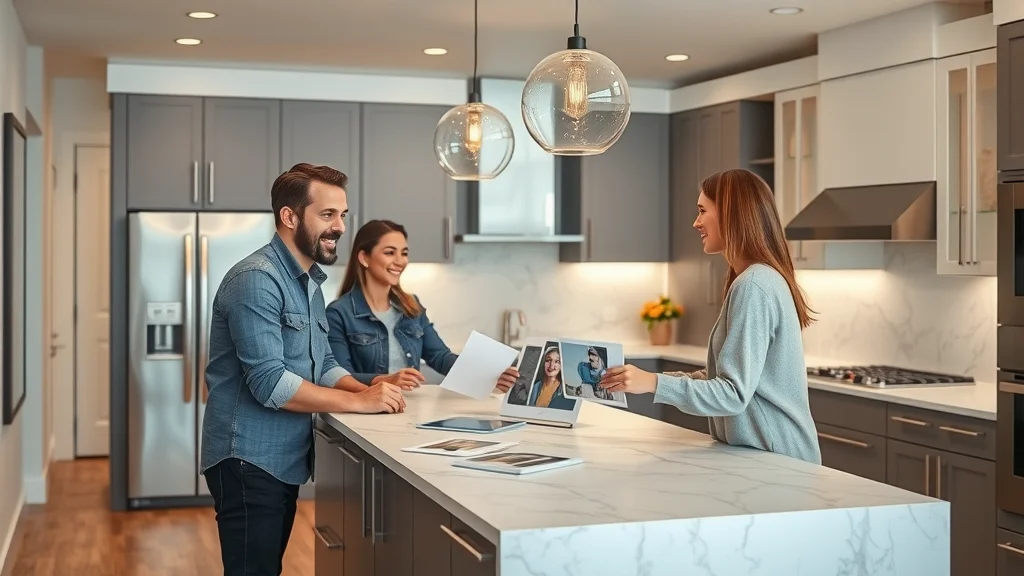
The kitchen is often called the heart of the home—and it pays to invest in smart kitchen renovation choices. Start with the layout: A well-organized floor plan boosts efficiency for cooking, entertaining, and daily routines. Consider the work triangle (sink, stove, fridge), ample counter space, and accessible storage area. Trending finishes, such as quartz countertops and matte hardware, balance durability with contemporary style. Statement islands invite everyday gatherings and help define open-plan spaces.
Incorporating energy-efficient appliances, task lighting, and easy-clean materials will ensure your renovated kitchen stays functional for years. Don’t forget to layer in personality with a bold backsplash or natural light enhancements, like skylights or expanded windows. Every kitchen renovation decision should serve your needs and elevate both form and function for a truly inspiring result.
Living Room Upgrades: Maximizing Comfort and Natural Light
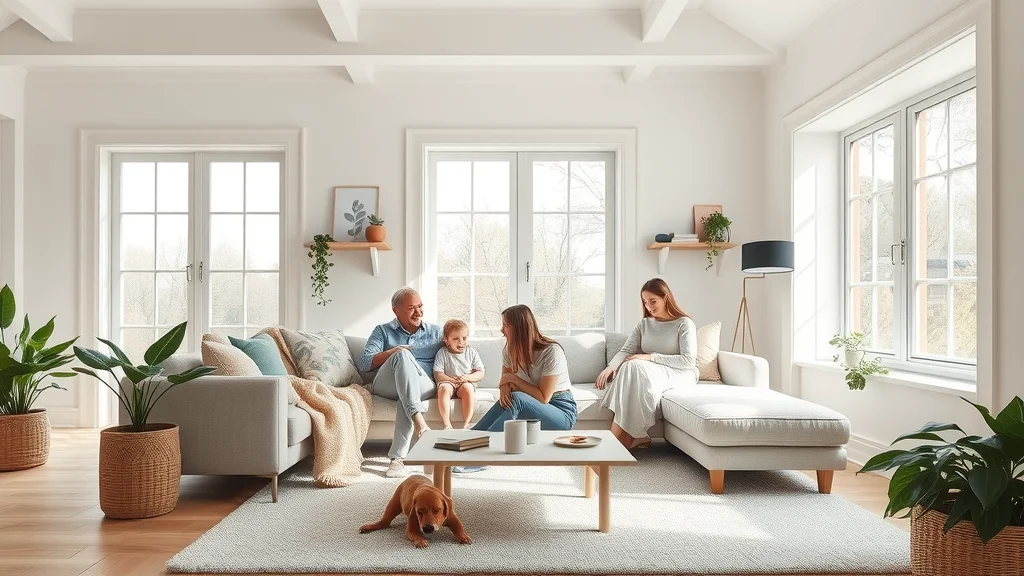
The living room is where life unfolds—where you gather, unwind, and express your style. Focus renovations around maximizing natural light, which not only brightens the space but also improves mood and contributes to energy efficiency. Consider enlarging windows, using glass doors, or selecting lighter paint colors and reflective surfaces that amplify daylight. Strategic lighting design, including recessed LED fixtures and layered accent lights, creates warmth and function after sunset.
Renovate for comfort with high-quality seating, plush area rugs, and thoughtful zoning that encourages conversation and relaxation. Don’t underestimate the impact of built-in storage area, flexible furniture layouts, and energy-efficient heating and cooling to support a comfortable living environment. With these home renovation best practices, you’ll turn a standard living room into a space your family loves year-round.
Bathroom Innovations in Home Remodeling
A striking bathroom remodel can boost both daily happiness and your property’s value. Integrate trends like frameless glass shower enclosures, floating vanities, and heated floors to blend spa-like luxury with everyday practicality. Select durable, waterproof materials—such as porcelain tiles and stone countertops—for surfaces that stay beautiful through years of use. Energy-efficient fixtures, low-flow toilets, and eco-friendly lighting not only save money but align your project with smart home renovation best practices.
Maximize the flow of natural light through frosted windows or skylights for an inviting and hygienic ambiance. Incorporate smart storage solutions, from built-in niches to sleek cabinetry, that keep your bathroom clutter-free. By elevating both layout and aesthetics, your bathroom transforms from functional space into a restful, rejuvenating retreat.

Bedroom and Personal Spaces: Modern Home Reno Ideas
Transform bedrooms and personal areas into restful havens by layering soft textures, muted color palettes, and customizable lighting. Use warm materials like wood and plush textiles to evoke comfort. Prioritize natural light by arranging beds near windows and opting for light-filtering drapery, supporting better sleep and a calm morning routine. Built-in storage, walk-in closets, and clever nooks maximize every inch, maintaining serenity and order.
Splurge on quality material for mattresses and bedding, and consider upgrading acoustics for a quieter living environment. Integrating personal touches—custom headboards, family photos, or statement art—ensures the remodeled space reflects your personality. Each element supports your dream home goals by fostering relaxation and self-expression.
"Natural light can transform a renovation. Consider window placement as carefully as your color palette." - Leading Renovation Expert

Energy Efficiency & Technology: Modern Home Renovation Best Practices
Incorporating Heat Pump Systems and Green Solutions
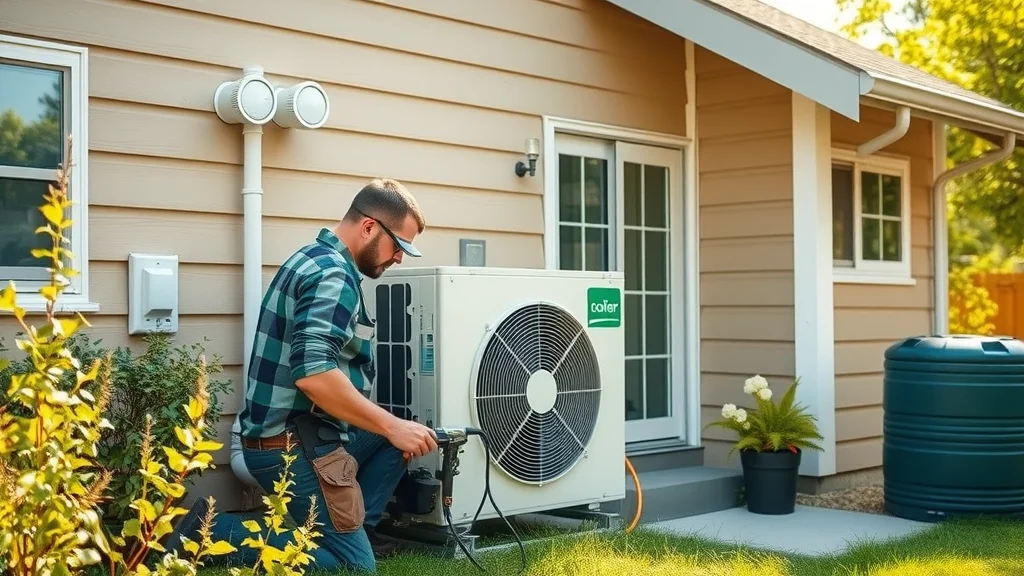
Modern house renovation is not just about style—energy efficiency is a prime concern. Installing a heat pump system provides eco-friendly heating and cooling, slashing utility bills and shrinking your carbon footprint. Evaluate options for solar power, advanced insulation, energy-smart windows, and water-saving appliances to further enhance your home’s green credentials.
While the upfront investment in green technologies might feel daunting, home reno experts agree that they pay dividends in comfort, resale value, and long-term savings. Plus, many municipalities offer rebates for eco-friendly renovations. Let sustainability be a key component of your renovation guide, aligning your dream home aspirations with a healthier planet.
Smart Home Technology in Home Renovation and Home Remodel
Seamlessly integrating smart technology in your home remodel upgrades both convenience and security. Install programmable thermostats, automated lighting, remote-controlled blinds, and home assistants that adapt to your routines and help you save energy. Touchless faucets, smart appliances, and voice-activated controls add luxury to kitchens and bathrooms while uplifting your overall quality of life.
Smart tech doesn’t just enhance day-to-day living—it increases the value of your remodeling project by future-proofing your property. Make sure all technology upgrades are compatible with your main systems and consider how they’ll interact with your existing space. Consult a tech-savvy interior designer or renovation guide to ensure a cohesive plan across all services.

Navigating Permits & Regulations in House Renovation
Home Renovation Best Practices for Legal Compliance
Cutting corners with permits and regulations can jeopardize your hard-earned investment. Research local requirements for building, electrical, and plumbing work before your project begins. Many communities mandate permits even for seemingly minor upgrades, especially when altering structural, mechanical, or exterior elements. Adhering to these regulations keeps your house renovation safe, insurable, and attractive to future buyers.
Work closely with contractors who understand the local permitting landscape. Ensure all work is inspected and compliant, and maintain organized records in your renovation guide. This diligence protects you from delays, fines, and expensive rework down the line, making it a hallmark of home renovation best practices.
Common Mistakes to Avoid During the Permit Process
Rushing through or neglecting the permit process can derail your remodeling project. Avoid mistakes like skipping required documents, misinterpreting zoning rules, or assuming that all work inside your walls is permit-free. Be thorough in your research and allow adequate time for approvals—especially for big part projects involving exterior walls, additions, or significant layout changes.
Consult experts as soon as you identify gaps or confusion in local codes. Create a checklist to manage required documentation and schedule critical inspections early. Proactive compliance not only keeps your renovation project on track but also builds confidence with contractors, neighbors, and potential buyers.
How to Save Money: Cost-Effective Home Renovation Best Practices
- Prioritize high-impact spaces like the kitchen and living room
- Reuse and repurpose existing materials where possible
- Consider phased renovations to manage cash flow
- Communicate transparently with contractors
- Utilize energy-efficient upgrades for future savings
Watch a dynamic video montage of stunning home renovation transformations. See before-and-after shots of kitchen renovations, living room makeovers, spa-like bathrooms, and eco-upgrades—all guided by proven best practices. Smooth transitions and practical overlays highlight planning, design, energy efficiency, and smart technology for every room.
People Also Ask About Home Renovation Best Practices
What is the 30% rule in remodeling?
Answer:
The 30% rule is a budgeting guideline suggesting you shouldn’t invest more than 30% of your home’s current value into a remodeling project. This keeps your spending in line with likely resale returns, helping you save money and avoid over-improving beyond what your local market will support. It’s especially useful when planning big part renovations like kitchen and bathroom overhauls.
In what order should you renovate a house?
Answer:
Professionals recommend starting with structural repairs and system upgrades, such as roofing, heating and cooling, and electrical or plumbing—these lay the foundation for safe and lasting results. Next, move on to major remodeling projects like kitchen renovation, bathrooms, and living spaces. Finishing touches—paint, flooring, and interior design—should come last, ensuring work isn’t damaged by earlier phases.
Is $100,000 enough to renovate a house?
Answer:
Yes, $100,000 can be sufficient for a comprehensive house renovation, depending on your goals, home size, and material choices. Focusing on high-impact spaces, managing your budget with phased renovations, and making smart interior design selections can help you maximize every dollar. Obtain several quotes and use a renovation guide to align expectations with outcomes.
What is the first thing you should do when remodeling a house?
Answer:
The first step in any home remodel is to develop a clear vision and a detailed plan. Use a renovation guide to outline your goals, scope, budget, and timeline. This initial groundwork helps align expectations, guides all future decisions, and drives the entire process toward your dream home.
Addressing Common Home Remodeling Challenges
Overcoming Budget Overruns in Home Renovation
Budget overruns are one of the most frequent challenges in home remodeling. Combat this by adding a contingency (typically 10-15%) to your original budget, regularly reviewing expenses against your renovation guide, and approving only necessary scope changes. Stay transparent with your contractors, and always request detailed quotes before work begins. Reviewing priorities ensures funds go into the most impactful areas of your home reno, such as the kitchen or main living spaces.
Track every cost—including materials, labor, permits, and unplanned repairs—to ensure you’re not caught off-guard. Communicating clearly, reassessing your floor plan when costs climb, and being willing to pause or phase less urgent updates helps keep your project on track financially.
Managing Delays and Supply Issues in House Renovation
Supply chain challenges continue to affect many remodeling projects, causing delays in material deliveries or skilled labor availability. Mitigate these risks by ordering products as early as possible, having backup selections for finishes, and confirming lead times with suppliers. Build time cushions into your schedule for major phases, like kitchen renovation or exterior work.
Keep open communication with your renovation team about evolving timelines and make decisions promptly when presented with alternatives. Your adaptability, paired with a solid renovation guide, will ensure that delays don’t derail the vision for your dream home.
Maintaining Your Vision During Difficult Home Remodel Decisions
When faced with tough choices—such as compromising on certain materials or altering the floor plan due to constraints—refer back to your original goals. Your vision will serve as an anchor through indecision. Collaborate closely with your interior designer or contractor to explore alternatives that maintain the integrity of your design without sacrificing crucial functionality.
Remember, home renovation best practices advocate for balancing aesthetics and practicality. Stand firm on what matters most to you, whether that’s maximizing natural light, including eco-friendly features, or making your living room a welcoming gathering place. Stay true to your vision, and your home remodel will be a source of pride and joy for years to come.
Experience remarkable before-and-after transformations of kitchens, living rooms, and bathrooms. This video highlights how following home renovation best practices brings design dreams to life—through precise planning, quality materials, and a dedication to both aesthetics and longevity.
Expert Tips: Home Renovation Best Practices for Longevity and Value
- Choose durable materials for high-traffic areas
- Invest in quality craftsmanship for timeless value
- Document each phase of your home remodel
- Regularly consult your renovation guide for alignment
"The best home reno decisions balance aesthetics, function, and longevity." - Award-winning Home Remodeling Specialist
Home Renovation FAQs: Best Practices Answered
How can I ensure my home remodel is on budget?
Keep your project on budget by creating a detailed cost breakdown, adding a contingency buffer, and managing scope changes tightly. Review expenses weekly with your renovation guide and communicate openly with your contractor to prevent surprises.
What are the risks of DIY home renovation?
DIY renovations can lead to costly errors, code violations, and safety hazards if tasks exceed your skill level. Always research requirements, know when to bring in professionals, and prioritize safety, especially for electrical, plumbing, or structural work.
Which upgrades add the most value in house renovation?
Kitchen renovation, bathroom remodels, and energy efficiency upgrades consistently add value. Maximizing natural light, open-concept floor plans, and smart technology integrations are also sought-after features in today’s housing market.
Key Takeaways on Home Renovation Best Practices
- Meticulous planning is foundational to home renovation best practices
- Smart budgeting and design lead to long-term savings
- Quality materials and expert guidance are essential
- Energy efficiency and comfort should guide decisions
- Always keep your dream home vision in view
Begin Your Stunning Home Remodel: Consult With Renovation Experts Today
Ready to bring your dream home to life? Connect with local renovation experts for a personalized consultation and transform your vision into a stunning reality using proven home renovation best practices.



Write A Comment