Add Row
Add Element
cropper
update
U.S. Accurate Design and Build
cropper
update
Add Element
  • Home
  • Categories
    • Home Remodeling Tips
    • Kitchen & Bath Design
    • ADUs and Retrofits
Add Element
  • update
  • update
  • update
  • update
  • update
  • update
  • update
  • All Posts
  • Home Remodeling Tips
  • Kitchen & Bath Design
  • ADUs and Retrofits
November 07.2025
1 Minute Read

Avoid These 10 Home Remodeling Mistakes Lafayette Residents Make

Did you know that nearly 40% of home renovations go over budget because of preventable mistakes? If you're planning to remodel your dream home in Lafayette, sidestepping these common errors is key for a successful remodel, increased home value, and lasting satisfaction. This educational guide reveals the critical steps to take, the pitfalls to dodge, and the best ways to elevate your living space—whether you're updating a kitchen, bathroom, or the entire house.

Startling Home Remodel Statistics Every Lafayette Resident Should Know

Home remodeling is booming throughout Lafayette, driven by homeowners’ desires to create a perfect living space or to boost their property’s real estate value. Yet, nearly 2 out of 5 renovation projects run over budget, and many face unexpected delays due to avoidable mistakes like ignoring building codes or making poor contractor choices. Failing to plan ahead or neglecting professional help can lead to unnecessary stress and jeopardize the quality of your renovation.

Statistics also reveal that skipping essential steps like obtaining building permits or setting a realistic budget often results in costly setbacks. Successful remodeling projects start with proper planning, knowledge of local requirements, and a clear understanding of potential pitfalls. Mastering these aspects is the difference between achieving your dream home or facing expensive, time-consuming renovation mistakes Lafayette homeowners often regret.

Modern Lafayette home interior with a staged remodeling scene, contractor reviewing plans with homeowners, home remodel kitchen, renovation tools, neutral warm colors, Lafayette home remodeling
"According to recent research, nearly 40% of home renovations end up over budget due to common mistakes—avoidable with the right preparation."

What You'll Learn in Avoiding 10 Common Home Remodeling Mistakes

  • Understanding the 10 most frequent home remodeling mistakes in Lafayette
  • Practical tips for a successful home remodel
  • How proper planning and budgeting can prevent remodeling mishaps
  • Unique considerations for kitchen remodel, bathroom remodel, and entire home renovation in Lafayette

Why Avoiding Remodeling Mistakes Matters for Your Home Remodel

Avoiding the most common mistakes in home remodel projects isn’t just about saving money—it's about ensuring your living space meets your needs now and in the future. Every renovation mistake, no matter how small, can impact your home’s comfort, value, and longevity. From choosing the right materials to vetting your contractors and understanding local building codes, every step counts toward a successful remodel. Taking the time to plan ahead will save you from costly setbacks and unnecessary stress down the road.

When Lafayette homeowners educate themselves on common remodeling pitfalls, they’re better equipped to make informed decisions. This leads to successful remodeling, increased property value, and improved quality of life. Adhering to best practices not only ensures a smooth remodeling project but also helps you create the dream home you’ve always wanted—without costly or stressful surprises.

Impact of Home Remodeling Mistakes on Home Value and Quality

Making a single critical step incorrectly in your remodeling project can decrease your home’s value or require expensive fixes later. For instance, neglecting to adhere to building codes or using poor-quality materials can drastically reduce the resale value of your property. In contrast, successful remodeling with quality materials, smart planning, and professional insight preserves—and often enhances—your real estate investment for the long run.

In Lafayette, where the real estate market can be competitive, small mistakes can mean the difference between commanding a premium for your home or seeing it languish on the market. Whether it’s a kitchen remodel or bathroom upgrade, ensuring a careful blend of style, function, and local requirements guarantees a living space and investment you’ll be proud of for years to come.

Bright spacious living room after home remodel in Lafayette, happy family enjoying finished living space, new flooring, modern décor, sunlight, Lafayette home value

How a Successful Remodel Enhances Living Space and Real Estate Potential

A successful remodel transforms more than just aesthetics—it adds significant value to your home and optimizes your living space for comfort and utility. For Lafayette homeowners, a well-planned home renovation can increase functional square footage, improve energy efficiency, and boost curb appeal. Gains like these not only make daily living more enjoyable but can also lead to a higher return when selling your home in the Lafayette real estate market.

Beyond monetary value, a successfully remodeled home helps create a living environment that aligns with your lifestyle. Whether you want an open floor plan for entertaining, upgraded kitchen appliances, or an accessible bathroom remodel, aligning your renovation with future needs ensures long-term satisfaction and lessens the risk of needing another costly renovation soon after.

Table: Quick Overview of 10 Common Home Remodeling Mistakes Lafayette Homeowners Should Avoid

Mistake Description Estimated Cost Impact
Ignoring building codes Leads to failed inspections High
Skipping permits Possible fines and delays Medium
Unrealistic budget Running out of funds mid-project Severe
Low-quality materials Shortened remodel lifespan High
Improper planning Delayed timelines High
DIY overload Safety risks & errors Variable
Neglecting professionals Subpar results High
Inadequate lighting Diminished comfort Medium
Forgetting future needs Outgrowing space quickly Medium
Bad contractor choice Project failures Severe

Mistake 1: Overlooking Proper Planning in Home Remodel Projects

Organized home office planning space, Lafayette homeowner reviewing remodeling plans and color samples, proper planning, calm blues and earthy tones

Overlooking proper planning is perhaps the most common mistake Lafayette homeowners make. Proper planning isn’t just about choosing paint colors; it’s about setting clear objectives, considering the scope of your home remodel, and anticipating any setbacks or challenges. Without taking the time to outline your priorities and draw up a realistic timeline, you risk running into costly, stressful delays. Planning can lead to improved communication with contractors and designers, fewer change orders, and a smoother project overall. Setting a realistic budget and understanding every phase of your remodel will help you avoid these common mistakes and set the stage for successful remodeling. By making proper planning a critical step, you lay the foundation for a dream home that fits your lifestyle and budget.

Proper planning ties together many different parts of a home renovation, from selecting floor plans or an open floor plan to aligning your goals with your resources. Spending extra time here keeps the rest of your project on track and ensures you get the living space you envision. Every successful remodel begins with a solid plan—so don’t skip or rush this stage. You’ll thank yourself when your home remodel wraps up on time and within budget.

Why Proper Planning Prevents Home Remodeling Mistakes

  • Setting clear objectives for your home remodel
  • Aligning your dreams with a realistic budget

Taking the time to plan ahead is the single best way to avoid most renovation mistakes. By mapping out your goals and budgeting carefully, you anticipate issues before they arise, greatly reducing the possibility of unpleasant surprises. A well-drafted plan ensures you don’t make rushed decisions regarding layout, materials, or design that could lead to unnecessary stress or added costs. Lafayette homeowners who prioritize proper planning often finish their remodeling projects on time and with end results that exceed their expectations.

Mistake 2: Underestimating the Value of a Realistic Budget

Setting a realistic budget is fundamental for successful remodeling in Lafayette. Many homeowners make the error of basing their budget only on visible construction costs without accounting for permits, professional fees, or inevitable surprises. One common mistake is failing to set aside a contingency fund for unforeseen challenges. The best way to avoid running out of funds mid-project is to thoroughly assess expenses, get detailed contractor quotes, and add a buffer—typically 10-20%—to your estimated total. Ignoring these steps can halt progress, delay your dream home, or even leave your renovation unfinished. Always plan ahead by factoring in every detail, from labor to fixtures, ensuring you’re prepared for every possible scenario your home remodel might encounter.

Once your realistic budget is in place, stick to it religiously. Making impulse upgrades or getting swayed by costly trends mid-project can quickly throw your finances out of balance. Remember, your home improvement doesn’t have to break the bank for it to add value and style; financial discipline and smart choices deliver long-term satisfaction and a successful remodel.

How to Set a Realistic Budget for Your Lafayette Home Renovation

Budgeting accurately for a home renovation involves more than a ballpark figure. It requires breaking down each remodeling project into components—demolition, construction, materials, and unexpected costs. Consulting professionals for estimates, reviewing prior Lafayette home remodeling cases, and researching local material prices gives you a realistic sense of what to expect. Sticking to your plan and limiting unnecessary scope changes ensures your dream home remains affordable.

"Failing to plan financially is planning to fail in home renovation."

Honesty about your financial boundaries is critical; overspending leads to more than just financial regrets. By setting clear budget parameters and continually reviewing costs against your original plan, you’ll be prepared—and much less likely to fall into the trap of this common renovation mistake.

Mistake 3: Ignoring Building Codes and Permits in Lafayette

Ignoring local building codes is one of the top renovation mistakes for Lafayette homeowners. Lafayette, like most cities, enforces strict building codes to ensure safety, quality, and compliance. Skipping the permit process or failing to align your remodel with established codes can result in failed inspections, costly corrections, and even forced removal of improvements. Proper planning starts with researching requirements and applying for necessary permits before work begins. This not only protects your investment but ensures your home remodeling project passes all final inspections—and increases its value and marketability when the time comes to sell.

The cost of skipping permits and codes is often greater than the time or money saved. Fines, project delays, and insurance complications are just a few of the potential consequences. Protect your home and your finances by understanding and respecting local Lafayette building codes from the outset of your renovation.

The Costly Consequences of Skipping Building Permits in Home Remodels

  • Overview of local Lafayette building codes
  • How building permits protect your remodeling project

Building codes exist to safeguard homeowners during and after renovations. They guarantee that structural alterations and improvements, such as kitchen or bathroom remodels, meet safety standards. By securing the appropriate building permits, homeowners ensure their remodeling project is legally compliant, helping to avoid setbacks during inspections or resale. Forgetting about permits might save a little time upfront but can lead to unnecessary headaches and severe financial risks.
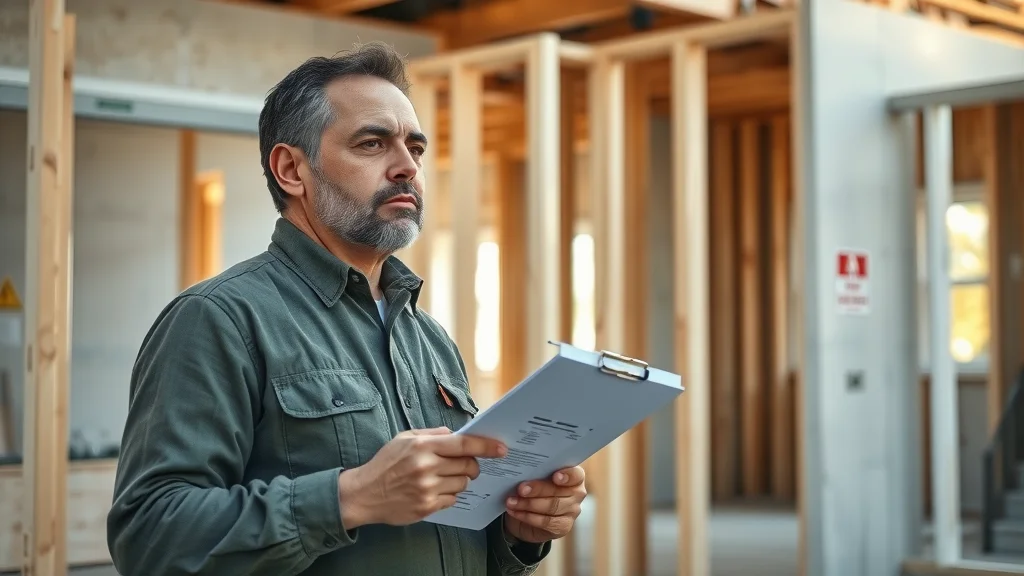
Professional city inspector examining a Lafayette home remodel site, building codes, building permit, renovation checklist, safety signage

Mistake 4: Choosing the Wrong Contractor for Remodeling Your Home

Partnering with the right contractor is crucial for successful remodeling. A common mistake many homeowners make is hiring based solely on price or availability without thorough vetting. The wrong contractor can lead to subpar workmanship, blown budgets, uncompleted tasks, and even legal disputes. Proper planning involves interviewing multiple contractors, verifying licenses, reviewing portfolios, and requesting references from past Lafayette clients. Checking credentials and communication skills is an essential critical step—this ensures your home remodel proceeds smoothly, on schedule, and to your satisfaction.

Contractor compatibility goes beyond technical ability. You need someone who understands your vision, provides transparent estimates, and communicates proactively. Remember, upgrading your home is an investment—choosing wisely now means fewer regrets and a better finished product that adds long-term value to your living space.

Tips for Vetting Home Remodel and Bathroom Remodel Contractors

  • Essential contractor qualifications
  • Questions to ask before hiring

Confident licensed contractor shaking hands with Lafayette homeowner, remodeling project agreement, contractor qualifications, successful remodel

When vetting a contractor, don’t just check for the right licenses—also assess their reputation, specialty experience with home remodeling, and their willingness to provide clear contracts. Request detailed written proposals, ask about their process for handling building permits and meeting codes, and always review online ratings. Make sure you feel comfortable with their communication style. Choosing quality over cost leads to fewer renovation mistakes and saves you money in the long run.

Mistake 5: Opting for Low-Quality Materials in Home Improvement

One of the most consequential mistakes is choosing low-quality materials to save on initial costs. The allure of up-front savings fades quickly when cheap flooring, fixtures, or paint begin to deteriorate. In Lafayette’s varied climate, investing in quality materials pays off over the long run, helping maintain your home’s appearance, minimizing repairs, and increasing your property’s value. An upfront investment in quality can reduce the need for replacements, prevent structural damage, and ensure your remodel looks stunning for years.

Quality materials are especially important in high-traffic areas like kitchens and bathrooms. Even if you’re on a budget, there are creative strategies for balancing design aspirations with durability and cost—such as mixing high- and mid-grade finishes or watching for contractor discounts on overstocked items. Never underestimate how much your choice of materials can impact your living space’s comfort and your satisfaction with your home remodel.

Balancing Quality Materials and Cost in Home Remodeling

"Investing in quality saves in the long run on maintenance and repairs."

Resist the temptation to cut corners just to stay within a tight budget. Evaluate which finishes matter most—countertops, flooring, cabinetry—and splurge strategically. Ask experts about the most cost-effective options that don’t sacrifice performance. A beautiful remodel that isn’t built to last is a renovation mistake you’ll regret; investing in quality materials gives peace of mind and true long-term value.

Mistake 6: Poor Layout and Design Choices in Kitchen Remodels

Designing the layout of your kitchen or bathroom remodel is more than just picking what looks nice. Common mistakes in this area include ignoring workflow, neglecting lighting or ventilation, and favoring trends over functionality. In a kitchen remodel, poor placement of appliances, insufficient counter space, or a lack of proper storage leads to a frustrating cooking experience. Similarly, failing to plan for accessible outlets, easy-to-clean surfaces, or efficient bathroom layouts results in daily annoyance and possible safety concerns.

Consult a professional during the design phase to avoid costly missteps. Prioritize how you use the space. Do you want an open floor plan for entertaining? Would an island improve workflow, or does it impede movement? These questions, when answered thoughtfully, avoid unnecessary design regrets and help create a truly functional living space.

Common Layout Mistakes in Kitchen and Bathroom Remodels

  • Workflow errors
  • Neglecting lighting and ventilation

Elegantly remodeled kitchen in Lafayette, homeowner admiring efficient layout, kitchen remodel workflow, modern fixtures, under-cabinet lighting

Effective kitchen remodels rely on the classic “work triangle”—placing the sink, stove, and refrigerator within easy reach. Avoid cramping passageways, ignoring natural light sources, or failing to incorporate enough storage. Similarly, bathroom remodels should prioritize logical placement for sinks, tubs, and toilets, with attention to lighting and ventilation. Skipping this critical planning can lead to disappointment and possible renovation mistakes.

Mistake 7: Neglecting Future Needs in Home Remodeling

Many homeowners focus only on current trends or immediate needs when planning a remodel, overlooking how their living space might need to evolve over the next five or ten years. This is a common mistake that can result in your newly upgraded home feeling outdated or cramped sooner than expected. Whether it’s planning for family growth, aging-in-place features, or adopting smart home technologies, keeping future needs in mind during a home renovation is crucial for maximizing long-term satisfaction and real estate value.

Consider questions such as: Will you need extra bedrooms or bathrooms? Should doorways be widened for accessibility? Adding adaptable living spaces and thinking long-term can eliminate the need for another costly remodeling project in just a few years. Successful remodeling hinges on preparing for what’s next, not just what’s now.

Planning Home Renovations for Long-Term Living Space Needs

Assess your family’s projected needs and try to anticipate major life events, such as children moving out, parents moving in, or potential resale. Design your remodel so it’s flexible—opt for multipurpose rooms, extra storage, or durable finishes that will stand up to decades of use. Factoring in the long run ensures your Lafayette home remodel pays off for years to come, not just today’s trends.

Mistake 8: Forgetting Functional Lighting in Your Remodeling Project

Lighting is often an afterthought in many renovation plans, yet it can define the mood, comfort, and usability of a space. Relying solely on overhead lighting or neglecting task and accent lights can leave your living space feeling dull and impractical. The right lighting transforms kitchens, bathrooms, and living rooms, supporting different times of day and creating a visually welcoming home. Functional, layered lighting design makes every remodeling project feel high-end and ensures spaces are safe and enjoyable for everyone.

Enhancing Living Space with Smart Lighting Choices

Modern living area with layered ambient and task lighting, Lafayette home remodeling, couple reading and using tablet, cozy atmosphere

Combine ambient, task, and accent lighting to adapt spaces to multiple uses. For kitchen remodels, under-cabinet LEDs enhance food prep areas; in living rooms, dimmers and smart bulbs create flexibility for movie nights or entertaining. Avoid the renovation mistake of insufficient lighting—plan ahead, choose fixtures wisely, and work with electricians for safe installations. The payoff is a brighter, happier living space designed for comfort and style.

Mistake 9: Over-Reliance on DIY in Home Renovations and Remodels

DIY is popular among Lafayette homeowners looking to save on remodeling costs or personalize their upgrades. But overestimating your abilities or skipping professional input can be a serious common mistake. Structural work, electrical wiring, plumbing, and adhering to building codes are best left to experienced contractors. Mistakes here can threaten safety, compromise resale value, and lead to expensive fixes. Weigh the pros and cons: some tasks—painting, minor installations, or cosmetic touches—are DIY-friendly, but most successful remodeling projects require expert help.

Before starting any major work, educate yourself fully and consider whether saving money up-front is worth risking the finished home's quality or your safety. When in doubt, consulting a licensed professional saves you time, money, and future headaches.

When to Hire Professionals vs. Tackle Home Improvement Yourself

  • Pros and cons of DIY vs. professional remodels
  • Safety concerns

DIY can be satisfying for those with relevant skills, but the risks—structural errors, injury, code violations—often outweigh the benefits for complex tasks. Use professionals for specialized work, and reserve DIY for finishing touches. This approach ensures your home remodel is both personally meaningful and structurally sound, maximizing its value for the long run.

Mistake 10: Not Considering Resale Value and Real Estate Trends

Failing to factor in real estate trends and resale value is a renovation mistake that can haunt you if you decide to move. Even your dream home should align with features that appeal to the broader Lafayette market—think energy-efficient systems, flexible spaces, and modernized layouts. Trends shift, but some features, like open concept kitchens or upgraded bathrooms, are perennially attractive to buyers.

Stay informed about what adds value in Lafayette, and prioritize investments that increase your home’s saleability. Over-personalized upgrades may deter buyers, while smart, timeless choices reward you now and later, enhancing both your enjoyment and your home’s eventual market appeal.

How Remodeling Your Home Impacts Real Estate and Return on Investment

"Think like a future buyer—even the dream home needs to appeal to the Lafayette market."

Lafayette real estate agent showing newly remodeled home to young couple, real estate trends, open concept foyer, resale value, Lafayette home remodeling

Research the highest-return projects for Lafayette’s real estate climate. Partner with real estate agents to understand buyer preferences, and avoid over-customization. This forward-thinking mindset ensures your property remains both a functional home and a smart investment, preparing you for whatever the future brings.

People Also Ask: Answers to Your Biggest Home Remodeling Questions

What is the 30% rule for renovations?

The 30% rule suggests that you should not spend more than 30% of your home’s current value on renovations to avoid over-improving compared to the neighborhood’s market standards. By sticking to this rule, Lafayette homeowners ensure their home remodel investments are likely to yield a positive return and won’t price them out of the local real estate market.

What is the most expensive part of renovating a house?

Typically, kitchens and bathrooms are the most expensive to renovate, given plumbing, electrical work, cabinetry, and top-quality finishes. However, unexpected issues such as structural repairs or code violations can also significantly increase remodeling project costs, making proper planning and budgeting critical for a successful remodel.

What not to forget when building a home?

Don’t overlook crucial steps like obtaining all necessary building permits, planning for future needs (such as extra storage or accessibility), and budgeting for hidden costs. Consulting pros early on and considering resale value from the start helps ensure a smooth construction and lasting satisfaction with your dream home.

Is $50,000 enough to renovate a house?

$50,000 can fund significant improvements, especially for targeted remodels like an updated kitchen or bathroom. However, for a whole-house renovation in Lafayette, this budget may only cover more basic upgrades. Careful planning, prioritizing projects, and working with experienced contractors can stretch your budget further and help you avoid common mistakes that lead to overspending.

FAQs: Lafayette Home Remodeling and Renovation Mistakes

  • How can I avoid common mistakes when remodeling my home?
    Start with detailed planning and budgeting, hire licensed professionals, research building codes, and never skip necessary permits for any home remodel project.
  • What permits are needed for a home remodel in Lafayette?
    Most major renovations require local permits for electrical, plumbing, structural work, additions, and some kitchen or bathroom remodels. Consult Lafayette’s building department for specific guidance.
  • Is DIY remodeling worth it for Lafayette homeowners?
    DIY can save money on simple tasks, but for major work—structural, electrical, or anything requiring a building permit—professional expertise is safer and protects the value of your home.

Key Takeaways: Avoiding the 10 Common Home Remodeling Mistakes Lafayette Homeowners Should Avoid

  • Proper planning, budgeting, and professional guidance are essential
  • Knowing common mistakes can save time and money in the long run
  • Quality materials and adherence to codes ensure a successful remodel

Summary: Achieve Your Dream Home by Steering Clear of These 10 Remodeling Mistakes

By focusing on critical steps, learning from common mistakes, and planning for the long run, Lafayette homeowners can transform their living space with confidence. A well-executed home remodel not only brings your dream home to life but adds real value and long-term satisfaction.

Ready to Begin Your Successful Home Remodel? Request a Free Lafayette Home Consultation Today

Take the first step toward your dream home—contact our local experts for a no-obligation consultation. Discover how smart planning, quality materials, and professional insight can make your Lafayette home remodeling project a resounding success.

Home Remodeling Tips

0 Views

0 Comments

Write A Comment

*
*
Please complete the captcha to submit your comment.
Related Posts All Posts
11.12.2025

Discover Home Renovation Best Practices for Stunning Results

Our homes hold memories, reflect our tastes, and shape the quality of our daily lives. The journey to your dream home is about more than upgrading old floors or fixing worn-out walls—it's about transforming every corner to match your vision and story. If you want to unlock the secrets of an extraordinary home remodel, mastering home renovation best practices is essential. Whether you’re chasing sunlight in your living room or hoping for a kitchen renovation that truly becomes the hub of your household, this guide is your blueprint. Let’s explore how to turn your renovation ideas into a home that inspires you, feeds your soul, and stands the test of time. Connect With Your Vision: Why Home Renovation Best Practices Matter Embarking on a home renovation isn’t just a practical project—it's an emotional investment. Applying the right home renovation best practices ensures that your remodeled space isn't just beautiful, but functional, durable, and perfectly suited to your life. By connecting deeply with your personal vision, you’ll transform a standard remodeling project into a journey toward your dream home. It's about infusing character into every space, from a light-filled living room to a modern, energy-efficient kitchen. The process requires careful planning and a focus on your goals, helping you avoid costly mistakes and align each update with your ideal home design. Best practices set a framework for each decision along the way. They help you choose quality materials, create a floor plan that maximizes your existing space, and prioritize upgrades that will increase convenience and value—without breaking the bank. As you begin your home reno or house renovation, these principles guide every phase, from the first sketches to the finishing touches. Rooting your journey in proven strategies allows you to save money, prevent stress, and create a living environment that feels truly yours. Crafting Your Dream Home Through Home Renovation Best Practices Every home remodel starts with a dream, whether it’s opening up your living area to draw in natural light or turning a tired kitchen into a vibrant family gathering spot. When you put best practices at the center of your plan, your renovation guide becomes a map to realizing those dreams. This approach brings clarity to your design choices, helps coordinate contractors and interior designers, and keeps you on schedule and budget. Most importantly, each room is shaped with intention—transforming everyday areas into unique, personalized havens. "A home remodel isn’t just about walls and floors—it’s about creating spaces that tell your story." What You’ll Learn: Home Renovation Best Practices for Lasting Elegance How to plan and budget effectively for home renovation Top industry tips to save money without sacrificing quality Design guidelines for kitchen renovation, living room comfort, and maximizing natural light Step-by-step advice from renovation guide experts Key considerations in house renovation and home remodeling Understanding the Basics: Essential Home Renovation Best Practices Defining Your Renovation Goals and Scope Before any work begins, the success of your home remodeling project depends on clearly defining your goals and the scope of what you hope to achieve. Start by visualizing your dream renovation and identifying the key component of comfort, functionality, and style you want in each area. Are you primarily focused on a kitchen renovation for better flow, or is expanding the natural light in your living room the ultimate goal? By clarifying your objectives, from improved livable space to storage area solutions, you’ll craft a floor plan that suits your lifestyle and guides every design and budget decision. Outline specific areas you wish to update, such as kitchen and bathroom, or even the layout of your kitchen. Carefully list must-haves versus nice-to-haves. This clarity not only helps you communicate with contractors or your interior designer, but also becomes a critical reference point throughout your home remodel. Documenting your vision and priorities will allow you to avoid scope creep, maintain control over costs, and truly transform your project from a standard home reno into the personalized haven you’ve envisioned. Assessing Your Current Home and Identifying Needs Take inventory of what works and what doesn’t in your existing space. An honest assessment helps pinpoint which upgrades are necessary—like addressing outdated heating and cooling or improving inefficient exterior walls—and where you can reuse materials to save money. Walk through every room noting pain points, from cramped layouts to a lack of storage area, and consult with a home inspection professional if needed. This evaluation grounds your renovation guide, providing insight into the value of each proposed update. Don’t overlook the potential hidden within your current home’s bones. Sometimes, simple changes in interior design or the strategic addition of windows can unlock a home’s potential far beyond full-scale demolition. Knowing what your home already offers allows you to plan renovations that enhance, rather than replace, your livable space, offering both budget and environmental benefits. Assessing needs upfront will set the path for a smoother renovation project that truly aligns with your dream home goals. Renovation Task Estimated Cost Timeline Kitchen renovation $12,000-$25,000 3-6 weeks Living room update $5,000-$15,000 2-4 weeks Bathroom remodel $7,000-$15,000 2-3 weeks Step-by-Step Renovation Guide: Home Remodel Phases and Procedures Home Renovation Best Practices for Planning and Design Successful home remodeling starts on paper, not with a sledgehammer. Developing a detailed plan—including your floor plan, desired interior design, key component priorities, and a reasonable schedule—sets your project up for success. Collaborate with an architect or interior designer to translate your goals into actionable renovation project blueprints. Use mood boards and samples to refine material selections, color palettes, and textures that not only reflect your vision but also promote long-lasting style and value. Address function and beauty together. For instance, planning the kitchen layout for workflow efficiency is just as important as choosing stylish backsplashes. Each design choice should serve a purpose—like optimizing natural light through strategic window placement or creating flexible, open-plan living spaces that adapt to your family’s needs. When you follow home renovation best practices in the planning phase, you streamline every step, reduce the risk of costly revisions, and create livable space that feels both intentional and inviting. Budgeting and Saving Money: Smart Strategies for Home Remodelling A sound budget is the cornerstone of every successful home remodel. Estimate costs for each phase of your renovation project, including hidden expenses like permits or unexpected repairs. Prioritize high-impact rooms—like the kitchen and living room—where updates yield the most value for money and improve everyday life. Seek out opportunities to save money by reusing existing materials, shopping smart for quality material alternatives, or completing low-skill updates yourself. Communicate transparently with contractors and suppliers to eliminate surprises. Consider phased renovations, which allow you to complete big part of the work without straining your cash flow. Take advantage of energy-efficient upgrades, such as heat pump systems and LED lighting, to not only reduce your long-term bills but also qualify for green rebates and incentives. Careful financial planning turns ambitious home remodeling ideas into stunning realities—without the stress of breaking the bank. Hiring Professionals vs. DIY in Home Renovation Deciding between a DIY approach and hiring professionals is a key component of your house renovation strategy. Assess your timeline, skills, and the complexity of each project phase. Simple updates—like painting or installing shelves—can often be completed by homeowners, offering a chance to save money and connect personally with your living environment. However, structural changes, plumbing, electrical work, or complex interior design installations are best left to certified experts to safeguard your investment and guarantee code compliance. When you bring in professionals, you benefit from their experience, advanced tools, and understanding of local regulations—ultimately streamlining your remodeling project and mitigating risks. A blended approach, where you handle basic tasks but delegate critical phases to trusted contractors, allows you to maximize your budget and get hands-on with your dream home. Weigh the pros and cons for each task, and don’t hesitate to consult your renovation guide or interior designer as you chart the best course forward. Designing for Impact: Home Renovation Best Practices in Key Spaces Kitchen Renovation: Trends, Layouts, and Functionality The kitchen is often called the heart of the home—and it pays to invest in smart kitchen renovation choices. Start with the layout: A well-organized floor plan boosts efficiency for cooking, entertaining, and daily routines. Consider the work triangle (sink, stove, fridge), ample counter space, and accessible storage area. Trending finishes, such as quartz countertops and matte hardware, balance durability with contemporary style. Statement islands invite everyday gatherings and help define open-plan spaces. Incorporating energy-efficient appliances, task lighting, and easy-clean materials will ensure your renovated kitchen stays functional for years. Don’t forget to layer in personality with a bold backsplash or natural light enhancements, like skylights or expanded windows. Every kitchen renovation decision should serve your needs and elevate both form and function for a truly inspiring result. Living Room Upgrades: Maximizing Comfort and Natural Light The living room is where life unfolds—where you gather, unwind, and express your style. Focus renovations around maximizing natural light, which not only brightens the space but also improves mood and contributes to energy efficiency. Consider enlarging windows, using glass doors, or selecting lighter paint colors and reflective surfaces that amplify daylight. Strategic lighting design, including recessed LED fixtures and layered accent lights, creates warmth and function after sunset. Renovate for comfort with high-quality seating, plush area rugs, and thoughtful zoning that encourages conversation and relaxation. Don’t underestimate the impact of built-in storage area, flexible furniture layouts, and energy-efficient heating and cooling to support a comfortable living environment. With these home renovation best practices, you’ll turn a standard living room into a space your family loves year-round. Bathroom Innovations in Home Remodeling A striking bathroom remodel can boost both daily happiness and your property’s value. Integrate trends like frameless glass shower enclosures, floating vanities, and heated floors to blend spa-like luxury with everyday practicality. Select durable, waterproof materials—such as porcelain tiles and stone countertops—for surfaces that stay beautiful through years of use. Energy-efficient fixtures, low-flow toilets, and eco-friendly lighting not only save money but align your project with smart home renovation best practices. Maximize the flow of natural light through frosted windows or skylights for an inviting and hygienic ambiance. Incorporate smart storage solutions, from built-in niches to sleek cabinetry, that keep your bathroom clutter-free. By elevating both layout and aesthetics, your bathroom transforms from functional space into a restful, rejuvenating retreat. Bedroom and Personal Spaces: Modern Home Reno Ideas Transform bedrooms and personal areas into restful havens by layering soft textures, muted color palettes, and customizable lighting. Use warm materials like wood and plush textiles to evoke comfort. Prioritize natural light by arranging beds near windows and opting for light-filtering drapery, supporting better sleep and a calm morning routine. Built-in storage, walk-in closets, and clever nooks maximize every inch, maintaining serenity and order. Splurge on quality material for mattresses and bedding, and consider upgrading acoustics for a quieter living environment. Integrating personal touches—custom headboards, family photos, or statement art—ensures the remodeled space reflects your personality. Each element supports your dream home goals by fostering relaxation and self-expression. "Natural light can transform a renovation. Consider window placement as carefully as your color palette." - Leading Renovation Expert Energy Efficiency & Technology: Modern Home Renovation Best Practices Incorporating Heat Pump Systems and Green Solutions Modern house renovation is not just about style—energy efficiency is a prime concern. Installing a heat pump system provides eco-friendly heating and cooling, slashing utility bills and shrinking your carbon footprint. Evaluate options for solar power, advanced insulation, energy-smart windows, and water-saving appliances to further enhance your home’s green credentials. While the upfront investment in green technologies might feel daunting, home reno experts agree that they pay dividends in comfort, resale value, and long-term savings. Plus, many municipalities offer rebates for eco-friendly renovations. Let sustainability be a key component of your renovation guide, aligning your dream home aspirations with a healthier planet. Smart Home Technology in Home Renovation and Home Remodel Seamlessly integrating smart technology in your home remodel upgrades both convenience and security. Install programmable thermostats, automated lighting, remote-controlled blinds, and home assistants that adapt to your routines and help you save energy. Touchless faucets, smart appliances, and voice-activated controls add luxury to kitchens and bathrooms while uplifting your overall quality of life. Smart tech doesn’t just enhance day-to-day living—it increases the value of your remodeling project by future-proofing your property. Make sure all technology upgrades are compatible with your main systems and consider how they’ll interact with your existing space. Consult a tech-savvy interior designer or renovation guide to ensure a cohesive plan across all services. Navigating Permits & Regulations in House Renovation Home Renovation Best Practices for Legal Compliance Cutting corners with permits and regulations can jeopardize your hard-earned investment. Research local requirements for building, electrical, and plumbing work before your project begins. Many communities mandate permits even for seemingly minor upgrades, especially when altering structural, mechanical, or exterior elements. Adhering to these regulations keeps your house renovation safe, insurable, and attractive to future buyers. Work closely with contractors who understand the local permitting landscape. Ensure all work is inspected and compliant, and maintain organized records in your renovation guide. This diligence protects you from delays, fines, and expensive rework down the line, making it a hallmark of home renovation best practices. Common Mistakes to Avoid During the Permit Process Rushing through or neglecting the permit process can derail your remodeling project. Avoid mistakes like skipping required documents, misinterpreting zoning rules, or assuming that all work inside your walls is permit-free. Be thorough in your research and allow adequate time for approvals—especially for big part projects involving exterior walls, additions, or significant layout changes. Consult experts as soon as you identify gaps or confusion in local codes. Create a checklist to manage required documentation and schedule critical inspections early. Proactive compliance not only keeps your renovation project on track but also builds confidence with contractors, neighbors, and potential buyers. How to Save Money: Cost-Effective Home Renovation Best Practices Prioritize high-impact spaces like the kitchen and living room Reuse and repurpose existing materials where possible Consider phased renovations to manage cash flow Communicate transparently with contractors Utilize energy-efficient upgrades for future savings Watch a dynamic video montage of stunning home renovation transformations. See before-and-after shots of kitchen renovations, living room makeovers, spa-like bathrooms, and eco-upgrades—all guided by proven best practices. Smooth transitions and practical overlays highlight planning, design, energy efficiency, and smart technology for every room. People Also Ask About Home Renovation Best Practices What is the 30% rule in remodeling? Answer: The 30% rule is a budgeting guideline suggesting you shouldn’t invest more than 30% of your home’s current value into a remodeling project. This keeps your spending in line with likely resale returns, helping you save money and avoid over-improving beyond what your local market will support. It’s especially useful when planning big part renovations like kitchen and bathroom overhauls. In what order should you renovate a house? Answer: Professionals recommend starting with structural repairs and system upgrades, such as roofing, heating and cooling, and electrical or plumbing—these lay the foundation for safe and lasting results. Next, move on to major remodeling projects like kitchen renovation, bathrooms, and living spaces. Finishing touches—paint, flooring, and interior design—should come last, ensuring work isn’t damaged by earlier phases. Is $100,000 enough to renovate a house? Answer: Yes, $100,000 can be sufficient for a comprehensive house renovation, depending on your goals, home size, and material choices. Focusing on high-impact spaces, managing your budget with phased renovations, and making smart interior design selections can help you maximize every dollar. Obtain several quotes and use a renovation guide to align expectations with outcomes. What is the first thing you should do when remodeling a house? Answer: The first step in any home remodel is to develop a clear vision and a detailed plan. Use a renovation guide to outline your goals, scope, budget, and timeline. This initial groundwork helps align expectations, guides all future decisions, and drives the entire process toward your dream home. Addressing Common Home Remodeling Challenges Overcoming Budget Overruns in Home Renovation Budget overruns are one of the most frequent challenges in home remodeling. Combat this by adding a contingency (typically 10-15%) to your original budget, regularly reviewing expenses against your renovation guide, and approving only necessary scope changes. Stay transparent with your contractors, and always request detailed quotes before work begins. Reviewing priorities ensures funds go into the most impactful areas of your home reno, such as the kitchen or main living spaces. Track every cost—including materials, labor, permits, and unplanned repairs—to ensure you’re not caught off-guard. Communicating clearly, reassessing your floor plan when costs climb, and being willing to pause or phase less urgent updates helps keep your project on track financially. Managing Delays and Supply Issues in House Renovation Supply chain challenges continue to affect many remodeling projects, causing delays in material deliveries or skilled labor availability. Mitigate these risks by ordering products as early as possible, having backup selections for finishes, and confirming lead times with suppliers. Build time cushions into your schedule for major phases, like kitchen renovation or exterior work. Keep open communication with your renovation team about evolving timelines and make decisions promptly when presented with alternatives. Your adaptability, paired with a solid renovation guide, will ensure that delays don’t derail the vision for your dream home. Maintaining Your Vision During Difficult Home Remodel Decisions When faced with tough choices—such as compromising on certain materials or altering the floor plan due to constraints—refer back to your original goals. Your vision will serve as an anchor through indecision. Collaborate closely with your interior designer or contractor to explore alternatives that maintain the integrity of your design without sacrificing crucial functionality. Remember, home renovation best practices advocate for balancing aesthetics and practicality. Stand firm on what matters most to you, whether that’s maximizing natural light, including eco-friendly features, or making your living room a welcoming gathering place. Stay true to your vision, and your home remodel will be a source of pride and joy for years to come. Experience remarkable before-and-after transformations of kitchens, living rooms, and bathrooms. This video highlights how following home renovation best practices brings design dreams to life—through precise planning, quality materials, and a dedication to both aesthetics and longevity. Expert Tips: Home Renovation Best Practices for Longevity and Value Choose durable materials for high-traffic areas Invest in quality craftsmanship for timeless value Document each phase of your home remodel Regularly consult your renovation guide for alignment "The best home reno decisions balance aesthetics, function, and longevity." - Award-winning Home Remodeling Specialist Home Renovation FAQs: Best Practices Answered How can I ensure my home remodel is on budget? Keep your project on budget by creating a detailed cost breakdown, adding a contingency buffer, and managing scope changes tightly. Review expenses weekly with your renovation guide and communicate openly with your contractor to prevent surprises. What are the risks of DIY home renovation? DIY renovations can lead to costly errors, code violations, and safety hazards if tasks exceed your skill level. Always research requirements, know when to bring in professionals, and prioritize safety, especially for electrical, plumbing, or structural work. Which upgrades add the most value in house renovation? Kitchen renovation, bathroom remodels, and energy efficiency upgrades consistently add value. Maximizing natural light, open-concept floor plans, and smart technology integrations are also sought-after features in today’s housing market. Key Takeaways on Home Renovation Best Practices Meticulous planning is foundational to home renovation best practices Smart budgeting and design lead to long-term savings Quality materials and expert guidance are essential Energy efficiency and comfort should guide decisions Always keep your dream home vision in view Begin Your Stunning Home Remodel: Consult With Renovation Experts Today Ready to bring your dream home to life? Connect with local renovation experts for a personalized consultation and transform your vision into a stunning reality using proven home renovation best practices.

11.11.2025

Home Remodeling Project Management Tips to Keep You on Track

Did you know that less than 30% of home remodeling projects finish on time and within budget? Behind every successful home renovation lies not just inspired design, but expert project management. If you've ever heard remodeling horror stories, you're not alone—most homeowners underestimate the complexity and coordination required to achieve their dream outcome. In this comprehensive guide, we'll uncover the practical tips, tools, and strategies to ensure your home remodeling project management is a success from start to finish. A Surprising Truth: The Real Success Rate of Home Remodeling Project Management When it comes to home remodels and renovations, the statistics are eye-opening. Studies show that the majority of remodeling projects go off track in at least one major area—be it time, budget, or quality. This can be attributed to poor planning, miscommunication, and lack of professional project management. If you've ever wondered why your neighbor's renovation dragged on for months, or why costs spiraled out of control during your own home improvement, you're witnessing the impact of ineffective project management in action. The good news is, with the right strategies and a focus on robust project management, most of the common pitfalls can be prevented. By understanding the core principles that drive successful remodeling projects—like clear planning, strong communication, and dedicated oversight—you’ll be far more likely to achieve a successful project. Let’s dig deeper into why projects fail, and how you can ensure yours doesn’t become another statistic. Why Most Remodeling Projects Fail (and How Project Management Can Help) Many homeowners underestimate the scope of a typical remodeling project. The result? Projects stall, budgets blow up, and stress levels soar. Common reasons for these failures include unclear goals, poor contractor coordination, and skipping critical steps in the planning phase. Without a clear project plan and timeline, even small home remodels can spiral into chaos. This is where project management comes into play. An experienced project manager or organized homeowner can bring together contractors, designers, and suppliers to work from the same playbook. They establish goals, set key milestones, and keep everyone accountable—reducing the likelihood of miscommunications and surprises. By focusing on the fundamentals of project management, homeowners can transform an overwhelming renovation process into a streamlined, manageable journey. What You'll Learn: Mastering Home Remodeling Project Management Understand the basics and importance of home remodeling project management Explore proven strategies to successfully manage a home renovation Learn to select the right project management software for remodeling Tips for being your own project manager or working with professionals Discover common pitfalls of remodeling projects and how to avoid them Home Remodeling Project Management Fundamentals Defining Home Remodeling Project Management Home remodeling project management is the art and science of organizing and overseeing every phase of a renovation project. From the initial idea to the final walk-through, it encompasses budgeting, scheduling, procurement, contractor oversight, and quality control. Whether you’re planning a single-room upgrade or a full-scale home renovation project, sound project management practices ensure that all moving parts come together cohesively. This process requires detailed planning, clear communication, and the ability to anticipate and solve problems before they derail your plans. It’s about coordinating resources—time, money, labor, and materials—to deliver a result that meets your goals on time and within budget. Professional project managers excel in this role, but with the right framework and tools, savvy homeowners can also excel as their own project manager. The Role of a Project Manager in Home Renovation Projects A project manager acts as the orchestra conductor for your renovation, keeping everyone—from general contractors to electricians and designers—performing in sync. Their responsibilities include setting clear objectives, managing logistics, hiring and coordinating team members, resolving disputes, approving changes, and enforcing deadlines. A good project manager acts as both a leader and a facilitator, ensuring no detail is overlooked. Working with an experienced project manager can also add significant value by preventing costly errors and keeping your renovation project on track, even when unexpected challenges arise. Whether you hire a professional or take the role yourself, mastering these skills can be the difference between a dream home and a renovation nightmare. “An effective project manager can save you both time and money in any home remodeling project.” Setting Up Your Remodeling Project: Planning for Success How to Project Manage a Home Remodel from Start to Finish Every home remodel starts with a vision—but project management turns vision into reality. Start by clarifying your goals and establishing a realistic budget. Be specific: Is this a kitchen update or a whole-house transformation? Next, draft a detailed timeline for your renovation project. Break your plan into phases—design, demolition, construction, and finishing touches. Map out critical milestones, such as permit approvals, delivery of materials, and inspections, so you can keep your team accountable and anticipate bottlenecks. Clarifying project goals and budget Drafting a timeline for your renovation project Identifying key milestones in your remodeling project Throughout the process, regular communication with your contractors, design team, and suppliers is essential. Schedule weekly check-ins to go over progress, resolve emerging issues, and update your project plan if needed. A detailed, living plan is your best defense against runaway costs and endless delays—so keep it updated and visible for all team members to reference. Using Project Management Software for Home Remodeling Modern project management software has revolutionized how homeowners and professionals organize remodeling projects. These tools let you create detailed schedules, assign tasks to contractors or team members, manage budgets, track progress, and store crucial documents all in one place. Whether you’re managing a simple bathroom remodel or a complex, multi-phase home renovation project, software offers visibility, automation, and peace of mind. When choosing management software, consider features like timeline and budget tracking, document sharing, mobile accessibility, and integration with your calendar or messaging tools. Many platforms are designed specifically for the construction or remodeling business, offering tailored templates and project management dashboards. The right software can make coordinating your custom home build or improvement project smoother and more transparent from start to finish. Comparison of Popular Project Management Software for Home Remodeling Software Key Features Pricing Pros Cons CoConstruct Budget tracking, timeline, client communication, photo documentation From $99/month Tailored for remodels; strong client portal Higher learning curve Buildertrend Scheduling, task management, budget, mobile app From $399/month Best for large projects; robust tools Can be pricey for small projects Trello Kanban boards, task assignment, checklists, integrations Free/$5+/month for premium Easy to use; flexible setup Lacks budgeting features Houzz Pro Estimates, invoices, timeline, communication tools From $49/month Great for small remodels; simple interface Limited customization Critical Skills for Home Remodeling Project Managers Communication Skills: The Key to Remodeling Project Success In home remodeling project management, clear—and frequent—communication is the cornerstone of a successful project. Project managers and homeowners who keep open lines with their teams minimize the risk of misinterpretation and errors. Contractors, design teams, and suppliers should always know what’s expected and when, as ambiguity can easily lead to costly rework or wasted time. Practice active listening, provide written updates, and use visual aids (like blueprints or progress photos). Setting regular meeting cadences and being transparent about expectations help build trust with all team members. Remember: Whether you use management software, emails, or face-to-face check-ins, the ultimate goal is that every member of your renovation project feels informed and empowered to deliver their best work. Problem-Solving in Home Renovation Projects No matter how perfectly you plan a home renovation project, surprises are inevitable—weather delays, permitting snags, or back-ordered materials. Effective project managers are proactive problem-solvers. They anticipate potential obstacles, have backup vendors, and adapt plans quickly when issues arise. Being solution-oriented, flexible, and cool under pressure sets apart the best in the remodeling business. Developing a checklist for common risks, keeping contingency funds, and using management software to flag at-risk tasks can help you navigate around most setbacks. A responsive project manager who answers questions, facilitates timely decisions, and addresses concerns fast can keep your home improvement project moving forward smoothly. “Good communication can resolve 80% of the issues before they become problems.” - Project Management Expert The 5 C's of Project Management Explained Clarity: Define roles, goals, and expectations from the outset. Communication: Keep the conversation flowing between all parties. Commitment: Stay dedicated to your timeline, budget, and results. Collaboration: Encourage teamwork for faster, better solutions. Consistency: Enforce schedules, updates, and standards at every stage. Managing Your Home Remodeling Project Timeline and Budget Applying the 30% Rule in Remodeling Projects A vital rule in home remodel project management is to budget a 30% contingency for unforeseen costs—this covers everything from material price hikes to structural surprises behind the walls. Many homeowners underestimate the potential for the unexpected. Without a financial buffer, even minor hiccups can halt progress or compromise the quality of your renovation project. Apply the 30% rule by calculating your estimated total costs and then setting aside an extra 30% that remains untouched unless truly needed. This approach gives your project the flexibility to handle setbacks without derailing your timeline or quality. Both experienced project managers and DIY renovators agree: it’s the secret to sleeping soundly while your home remodel takes shape. Understanding the 80/20 Rule for Project Managers Also called the Pareto Principle, the 80/20 rule means that in project management, 80% of your results come from 20% of your efforts. For a home remodeling project manager, this underscores the importance of focusing on high-impact tasks—like critical path scheduling, contractor coordination, and material procurement—rather than getting lost in low-priority details. By identifying the handful of decisions or milestones that drive project success, you can allocate your time and resources more efficiently. This principle is especially valuable when managing complex home renovation projects, where distractions are plentiful and priorities are always shifting. Whenever doubt arises, ask, “Is this in the crucial 20%?” and refocus your attention accordingly. Tracking Progress and Adjusting Plans Efficiently Frequent progress tracking is crucial for remodeling project management. Use checklists, dashboards, and regular walkthroughs to verify that completed work matches quality standards and remains on schedule. Project management software makes it easier to monitor milestones, update tasks, and communicate changes instantly with your team members and contractors. When you spot a delay or a cost overrun, adjust your plan as early as possible—this might mean rearranging trades, ordering materials ahead of schedule, or allocating extra labor. Proactive adjustments keep your renovation project agile and focused, turning potential derailments into mere detours on the path to a dream home. Sample Remodeling Project Timeline with Milestones and Budget Checks Phase Milestones Timeline Budget Check Design Finalize layout, approve materials, secure permits Weeks 1–3 10% spent Demolition Remove fixtures, prep site, first inspection Weeks 4–5 15% spent Construction Framing, rough plumbing/electrical, inspections Weeks 6–9 40% spent Finish Work Cabinets, paint, flooring, final inspection Weeks 10–13 25% spent Project Closeout Cleanup, walkthrough, punch list, sign-off Week 14 10% spent Working with Professional Project Managers or DIY When to Hire a Project Manager for Home Renovation Hiring a professional project manager makes sense for complex, large-scale home renovation projects or if you lack the time, expertise, or desire to coordinate the details yourself. A dedicated project manager brings experience, established contractor networks, and the ability to anticipate and resolve problems before they impact your schedule or budget. Consider hiring an expert if you’re juggling multiple trades, customizing your home build, or aiming for high-end results with minimal stress. On smaller home improvement projects, homeowners with strong organization and communication skills can often handle the project management role independently. The choice comes down to your comfort level, available time, and budget for professional services. Pros & Cons: DIY Project Management vs. Hiring Experts Cost savings vs. expertise: Managing the project yourself can save on management fees, but may lead to higher overall costs if mistakes occur. Professionals bring valuable knowledge and can protect your investment. Time commitment and stress levels: DIY management is time-intensive and can be stressful, especially if you have a full-time job or family responsibilities. Project managers handle the stress and free up your time. Weigh these pros and cons carefully to determine the best approach for your particular renovation project. Sometimes, a hybrid approach—where you lead some tasks and outsource others—provides the ideal balance of cost control and professional oversight. Selecting Reputable Project Managers for Your Home Remodeling Choosing the right remodeling project manager is crucial. Look for experienced professionals with a track record in projects similar to yours. Check references, verify credentials, and review portfolios of past home remodels. A reputable manager should offer transparent communication, detailed bid proposals, and clear contracts that outline roles, expectations, and timeline requirements. Checklist for Hiring a Remodeling Project Manager: Experience with similar home renovation projects Positive client references and reviews License, insurance, and certifications Clear, detailed contract Strong communication skills Compatible project management style Top Home Remodeling Project Management Tools and Resources Digital Tools for Home Remodeling Project Management Digital tools have brought unprecedented efficiency to home remodeling project management. Platforms like CoConstruct, Buildertrend, and Trello simplify scheduling, budgeting, communication, and document storage. Many allow you to invite your design team, contractors, and even family members to collaborate in real-time, reducing missteps and boosting accountability. These tools can generate Gantt charts, share progress photos, house design files, and send automated reminders about upcoming tasks or budget milestones. For complex projects, integrating your management software with accounting tools or calendars maximizes control and transparency. How Project Management Software Enhances Remodeling Efficiency The value of project management software goes beyond organization—it enables smarter decision-making and faster problem resolution. Having instant access to all project data means issues are spotted and resolved before they snowball. Software-enabled workflows let you log conversations, digitally approve changes, and monitor expenses against the original project plan. The result: fewer surprises, better adherence to budget and schedule, and significantly reduced stress for everyone involved in your remodeling business or home improvement project. Even small projects benefit from digital oversight: using a mobile app to document contractor work, track deliveries, or archive receipts ensures that nothing slips through the cracks during a busy renovation. Apps for Managing Renovation Projects on the Go Mobile apps for timeline, budget, and photo documentation Modern renovation apps let you manage your home renovation project wherever you are—on-site, at work, or on vacation. Features may include project calendars, budget tracking tools, document storage, and even augmented reality previews of your finished remodel. Top apps sync with your desktop, providing a seamless workflow so tasks, updates, and financials are always at your fingertips. Comparison of Leading Project Management Apps for Home Remodel App Name Core Features Mobile Support Best For CoConstruct Scheduling, budgeting, contractor communication iOS, Android Large home remodels Buildertrend Gantt charts, progress photos, document storage iOS, Android Full-scale renovation projects Houzz Pro Estimates, 3D visualizations, messaging iOS, Android DIY and small remodeling projects Trello Kanban boards, task tracking, integrations iOS, Android Flexible project management for all project sizes People Also Ask About Home Remodeling Project Management What does a home remodeling project manager do? Answer: A home remodeling project manager oversees the planning, coordination, and execution of renovation projects, managing timelines, budgets, contractors, and quality control to ensure project success. What is the 30% rule in remodeling? Answer: The 30% rule in remodeling suggests reserving an additional 30% of your budget to cover unexpected expenses, ensuring your home renovation project can handle unforeseen costs. What is the 80/20 rule for project managers? Answer: The 80/20 rule for project managers states that 80% of project outcomes derive from 20% of key decisions and efforts, emphasizing the importance of focusing on high-impact tasks in home remodeling project management. What are the 5 C's of project management? Answer: The 5 C's of project management are Clarity, Communication, Commitment, Collaboration, and Consistency, which together help ensure successful execution of home remodeling projects. Common Home Remodeling Project Management Pitfalls and How to Avoid Them Mistakes Homeowners Make in Remodeling Project Management Top 7 Mistakes in Managing Home Remodeling Projects: Unclear scope and goals Inadequate budgeting and contingency planning Poor communication with contractors and suppliers Lack of a detailed project schedule Ignoring permit and inspection requirements Failing to monitor progress and address issues early Skipping documentation and records management Solutions for Effective Project Management in Home Renovation Successful home remodeling project management is all about planning, clear communication, and agility. Start by outlining project objectives and budgets in detail and updating them as needed. Utilize project management software or tools to set milestones, assign tasks, and track progress. Communicate regularly with all stakeholders, anticipate risks by allocating contingency funds, and adapt to changes quickly. Documentation of all decisions, costs, and updates is essential for reference and dispute resolution. With these strategies, you’ll be able to avoid common pitfalls and steer your home renovation project smoothly to the finish line. Key Takeaways for Successful Home Remodeling Project Management Plan thoroughly, communicate clearly, adapt actively, and seek professional help when needed Utilize proven project management tools for better control over your home remodel Always keep a contingency plan—and budget—for remodeling surprises Frequently Asked Questions about Home Remodeling Project Management How can I stay on schedule with my home remodeling project management? To stay on schedule, develop a detailed project plan with clear milestones, use project management software for progress tracking, and communicate regularly with your contractors. Address issues as soon as they arise and be flexible in adjusting tasks or schedules when delays occur. What project management software is best for home remodeling? The best project management software includes CoConstruct, Buildertrend, and Houzz Pro for comprehensive renovation project management. For simpler projects or those on a tight budget, Trello offers flexibility and ease of use for task and timeline tracking. How do I manage multiple contractors in a renovation project? Assign dedicated roles and responsibilities, maintain an up-to-date project schedule, and hold weekly coordination meetings. Use digital tools for clear task assignments and document sharing. Clear communication and real-time updates are the keys to preventing overlap and delays when multiple contractors are involved. Should I act as my own project manager for my home remodel? If your project is straightforward and you have the time, organization, and communication skills needed, managing your own remodel can save money. For larger or more complex renovations, hiring an experienced project manager ensures the best outcome and minimizes stress. Conclusion: Bringing It All Together for Home Remodeling Project Management Excellence Mastering home remodeling project management means planning ahead, staying flexible, leveraging the right tools, and communicating openly—ensuring your dream home comes together on time and on budget. Ready to start your next home renovation? Download our free project management checklist to ensure your remodeling project stays on track!

11.11.2025

Beware DIY Remodeling Risks That Could Cost You More

Did you know that nearly 60% of DIY home renovation projects exceed their original budget—often due to simple but expensive mistakes? If you’re planning your next home remodel, understanding the true risks involved isn’t just smart, it’s essential. From hidden building code violations to encountering hazardous materials like lead paint or faulty electrical work, the potential pitfalls of do-it-yourself renovations can quickly turn cost-saving ambitions into budget-busting disasters. In this comprehensive guide, we’ll uncover the most overlooked diy remodeling risks, offer practical advice on when to hire a professional, and help you avoid mistakes that could cost you far more than anticipated in your home improvement journey. A Surprising Look at DIY Remodeling Risks: Startling Facts You Need to Know "Recent studies show that nearly 60% of DIY renovation projects exceed their initial budget due to unforeseen risks and mistakes." — National Association of Home Builders The surge in diy home and diy renovation projects has led to a significant increase in unexpected costs and safety incidents. Many homeowners are lured by the promise of saving money and enhancing their living space but are often unprepared for the realities of local building codes, structural work, and the expertise required for electrical work and plumbing. While tackling a renovation project yourself can be rewarding, the hidden risks—like ignoring local building regulations or mishandling tools and materials—can add thousands to your budget. Additionally, a growing number of home renovation and home remodel jobs are stalling halfway or must be redone by professionals, further escalating the financial burden. Incomplete renovation projects can reduce home value and even make a property unsellable until major corrections are made. Understanding these issues is critical before you pick up your first power tool, paint roller, or attempt a complex kitchen remodel on your own. With more homeowners sharing stories of budget blowouts and hazardous discoveries, it’s clear that taking a data-driven approach to planning and executing your renovation is the safest path forward. Unveiling the True Costs of DIY Home Renovation Mistakes Embarking on a diy home improvement project might initially seem like a way to save money, but hidden risks quickly transform minor errors into costly setbacks. Simple mistakes, like mismeasuring lumber or purchasing low-quality materials, can snowball into extensive repairs—sometimes requiring you to hire a professional to rectify the damage. Budget overruns frequently stem from unforeseen issues, such as discovering water damage behind walls, encountering old wiring that isn’t up to current building codes, or failing to anticipate the high cost of specialty power tools and safety equipment. Furthermore, insurance policies may not cover repairs caused by DIY errors or unpermitted work, leaving you solely responsible for any accidents or failures. Homeowners can unintentionally violate local building codes by skipping required permits and inspections, resulting in hefty fines and additional corrections. Ultimately, while DIY renovations can seem like substantial cost-savers, comprehensive planning and a solid understanding of potential pitfalls are vital for preventing financial surprises and ultimately protecting your investment in home improvement projects. Why DIY Remodeling Risks Are on the Rise in Home Improvement The popularity of renovation shows, online DIY tutorials, and the rising costs of professional labor have fueled a surge in homeowners attempting complex home improvement and kitchen remodel projects themselves. However, this trend comes with a steep learning curve. Many enthusiasts underestimate the true scale of tasks like electrical work, plumbing, and structural changes, often conflating enthusiasm with expertise. Building codes are regularly updated, and local requirements may differ significantly from one municipality to another. Failing to keep up with these changes—or assuming that internet tutorials reflect local building codes—exposes homeowners to legal and safety risks. Increased awareness of hazardous materials, such as lead paint and asbestos, has also made certain diy renovation projects riskier than anticipated. As a result, the potential for expensive mistakes and legal complications is higher than ever before, demanding a cautious and well-informed approach to any significant home renovation project. What You'll Learn About DIY Remodeling Risks, DIY Renovation, and Home Renovation How to spot common DIY renovation pitfalls before you start Understanding local building codes and legal responsibilities When to hire a professional for your home remodel Top hazardous materials present in older home renovations Essential tools and materials for a safe diy home improvement project The Most Overlooked DIY Remodeling Risks in DIY Renovations and Home Remodels Ignoring building codes: The cost of non-compliance Underestimating structural and electrical work failures Accidental damage — when a kitchen remodel turns costly Lead paint and other hazardous materials in home renovations "Just because you can doesn’t mean you should: DIY home risks might not be obvious until it’s too late." — Professional Contractor Many of the most significant diy remodeling risks aren’t apparent until well into a renovation project. Ignoring building codes can lead to expensive fines and even forced demolition if unapproved changes are discovered by local authorities. Connecting electrical work, handling live wires, or making changes to a home’s load-bearing structure without the necessary experience can lead to dangerous and expensive consequences. Accidental damage is another common risk—especially in high-value areas like a kitchen remodel. Breaking tiles, damaging countertops, or unintentionally nicking a water line can quickly wipe out any projected savings. Meanwhile, older homes often contain hazardous materials like lead paint or asbestos, which require specialized handling and legal disposal procedures. The result? What started as a “simple” improvement project can escalate into a situation requiring emergency professional intervention—at a far higher cost than hiring an expert from the beginning. Common Costly Errors in DIY Renovation Projects and Home Improvement Budget Blowouts: Why DIY Home Remodels Often Exceed Expectations The allure of a cost-saving diy home project can vanish when unexpected challenges arise. Unanticipated expenses account for the majority of budget overruns in diy renovations—especially when hidden damage or noncompliance with building code is discovered mid-project. Small missteps, such as underestimating the amount of paint or miscalculating measurements, force you to purchase additional tools and materials. Worse yet, major mistakes often require the intervention of a licensed professional to fix code violations, plumbing leaks, or unsafe wiring—turning an attempted cost-cutter into a long run expense. Careful planning, setting aside a generous contingency fund (the so-called “30% rule”), and being honest about your DIY skill level are key to keeping your renovation budget on track. Another cause of budget blowouts is failing to account for the full scope of a home renovation project—like not including the cost of proper safety equipment or the fees required for building permits. Over the long run, homeowners who are diligent with budgeting, planning, and code compliance are able to save money and avoid the spiraling costs that so often derail home improvement projects. Remember, shortcuts and overlooked details are rarely cheaper in the end. The Danger of Cutting Corners with Tools and Materials Using subpar materials or skipping proper safety steps is a serious, yet common, source of diy remodeling risks. Opting for the cheapest paint, screws, or floorboards can lead to rapid wear, frequent repairs, and at times, complete project failure. Safety equipment, such as protective gear, gloves, and eye protection, should never be optional—especially when working with power tools, electrical wiring, or hazardous materials. Skimping in this area is not just a budget risk, but a safety hazard that can result in significant injuries or property damage. Remember, the quality of your tools and materials directly impacts the success, safety, and longevity of your home improvement project. Furthermore, experienced professionals have access to industry-standard, high-quality tools and materials often unavailable to the average homeowner. This expertise can reduce mistakes, increase efficiency, and ensure compliance with current building codes. If you must do it yourself, invest in accredited renovation products and maintain a safe, organized workspace. Taking shortcuts rarely pays off—proper tools, materials, and preparation are the foundation of lasting diy project success. Electrical Work and DIY Renovating: Safety and Legal Risks Tackling electrical work in a diy renovation is one of the most hazardous decisions a homeowner can make without the proper training. Electrical code regulations exist for a reason—improper connections, incorrect wire sizing, or poorly grounded circuits are not only code violations but can also lead to fires, electrocution, or catastrophic property damage. Most municipalities require a licensed professional for anything beyond basic fixture replacement. Mistakes can result in large fines, denied insurance claims, and expensive corrections when selling the property. Even experienced DIYers can inadvertently create hidden hazards by overlooking outdated wiring, confusing load-bearing requirements with local building codes, or failing to identify subtle differences in building materials and standards. It’s vital to understand the limits of your own expertise when working on electrical systems—especially given the risks involved and the high standards mandated by building inspection authorities. When in doubt, hiring a certified electrician is the safest investment you can make in your home renovation project. Understanding Building Codes and Local Building Regulations in DIY Home Projects Building codes are a complex but crucial part of any home improvement project. They dictate everything from the type of electrical wiring permitted to minimum ceiling heights and structural requirements. These regulations protect both current and future residents by ensuring renovations are structurally sound and safe. Yet, many DIYers attempt projects without reading or understanding their local building codes—which is one of most significant and costly diy remodeling risks. Violations can stop a project in its tracks, invalidate your home insurance, or lead to costly legal woes down the road. It’s not enough to rely on generic online tutorials; cities and counties have specific code requirements that may vary considerably. Before starting any significant diy project, check with your local building department, obtain required permits, and, if you’re unsure, consult a licensed professional to avoid costly errors. Compliance ensures your home remodel stands the test of time and is free from legal obstacles if you ever decide to sell your property. Comparison of Common DIY Remodeling Risks, Professional Intervention Costs, and Potential Legal Fines DIY Remodeling Risk Estimated Cost to Fix Potential Legal Fine Professional Cost (if hired initially) Electrical work code violation $2,000–$5,000 $500–$2,000 $500–$1,500 Structural work failure $5,000–$15,000 $1,500–$5,000 $2,000–$7,000 Lead paint or asbestos handling $3,000–$10,000 $1,000–$10,000 $2,500–$6,000 Unpermitted kitchen remodel $5,000–$30,000 $1,000–$10,000 $10,000–$25,000 Building Code Violations and Their Long-Term Impact on Home Renovations Local Building Codes vs. DIY Ambitions: What Homeowners Need to Know Local building codes are designed to protect everyone: homeowners, contractors, and future occupants alike. Unfortunately, many diy renovating enthusiasts fail to research their city’s requirements, leading to costly compliance issues later. Unpermitted work can result in forced demolitions, denied insurance claims, and major delays in home improvement projects. In severe cases, unapproved changes can make it impossible to legally sell your property until the issues are corrected by a licensed professional. If your diy project involves electrical work, plumbing, or structural changes, always verify your city’s permitting requirements—and never substitute guesswork for expert opinion. Hiring a contractor for complex renovations can save money in the long run by ensuring all rules are followed from the start. Remember: local building codes change frequently and differ from one municipality to another. Stay informed and diligent, or your home remodel could become your biggest regret. Real-Life DIY Renovations Gone Wrong: Case Studies Consider the homeowner who attempted a basement finishing project, unaware that the existing wiring was not up to current building codes. After installing drywall and expensive flooring, an inspection revealed major violations and required all work to be torn out and redone by a licensed professional—at triple the original cost. In another case, a simple kitchen remodel escalated when a support wall was accidentally weakened, causing both structural damage and legal fines. The lesson in these stories is clear: Even seemingly minor oversights in compliance, materials, or skill level can have catastrophic consequences on your home renovation project and your wallet. Diy renovations often draw out over months, with errors compounding as each phase progresses. The cost to retrofit, repair, or legalize unapproved work usually outweighs the initial savings, leaving homeowners wishing they had hired skilled help from the beginning. These cautionary tales underscore why research, permits, and professional consultations should never be skipped. How Unpermitted Work Affects Home Value and Resale Unpermitted work is a red flag for buyers and real estate agents alike. If a home inspection uncovers undocumented diy remodeling, you may be required to dismantle completed work, undergo expensive remediation, or even lose a sale. Many insurance companies won’t cover claims related to unpermitted or substandard renovations, especially for electrical work, plumbing, or structural modifications. Buyers are increasingly savvy about checking municipal records and code compliance. DIY home improvement projects that don’t align with local building codes can ultimately cost you tens of thousands in lost equity, negotiated sale price reductions, or fees to legalize the work after the fact. Always prioritize compliance and transparency to protect your investment and future resale value. The Hidden Dangers: Hazardous Materials in DIY Home Renovation Spotting lead paint in older home renovations Asbestos and mold: How they complicate DIY renovation risks Legal disposal and safety measures for hazardous materials Hazardous materials like lead paint, asbestos, and hidden mold present significant diy remodeling risks—especially in homes built before the 1980s. Mishandling these materials can endanger your family’s health, lead to regulatory fines, or even cause severe respiratory illnesses. Spotting outdated finishes, insulation, or suspicious odors is essential before you start any major diy renovation. Specialized removal and disposal of hazardous materials should always be handled by licensed professionals, in accordance with local laws and environmental guidelines. If you suspect the presence of lead paint or asbestos, test the area before disturbing walls, floors, or ceilings. Invest in professional remediation whenever hazardous materials are confirmed—these costs are minor compared to the health and legal ramifications of improper handling or disposal. Protecting yourself and your family should always come first in any home improvement project. When to Hire a Professional: Evaluating Your DIY Renovation Skills Which Home Remodel Projects Are Best Left to Professionals? Not every project is right for the ambitious DIYer. Complex electrical work, major plumbing changes, load-bearing wall modifications, and anything requiring specialized building code knowledge should always be managed by a professional. Experienced contractors not only prevent costly mistakes but also expedite permits, guarantee insurance compliance, and ensure every facet of your home improvement project is done safely and according to code. Methods that seem simple in online tutorials can require years of experience to execute properly—so always be honest about your limitations and don’t be afraid to hire a professional when a renovation project exceeds your comfort zone. How to Find a Qualified Contractor for Home Improvement Needs Evaluate the complexity of your renovation Check local building codes for licensing requirements Assess your comfort level with power tools Request quotes and references from contractors Finding the right contractor starts with clear project goals and honest self-assessment. Research local contractors’ reputations and ask for references or photos of recent renovation projects. Confirm licensing and insurance, and be prepared to compare bids. Open, ongoing communication ensures your objectives are met and helps avoid surprises throughout the improvement project. When in doubt, choose a professional who has experience with your specific type of home, era, or desired finish. This decision could save you thousands and ensure a smooth, compliant home renovation experience. Essential Tools and Materials for Safe DIY Home and Kitchen Remodels Must-have power tools for renovation projects Safety equipment for handling electrical work and hazardous materials Recommended sources for accredited kitchen remodel materials No matter the size of your improvement project, investing in high-quality, well-maintained tools and materials is critical. Every diy home remodel should start with at least a basic set of power tools—such as a drill, saw, and sander—as well as essential safety equipment like gloves, goggles, and dust masks. When working with electrical installations or hazardous building materials, never skip protective gear or certified materials; these can protect your long-term health and the structural value of your home. Reputable home improvement stores and manufacturers are your best bet for finding accredited building materials and tools. Many professionals recommend purchasing supplies from trusted sources with clear warranties and compliance with building code standards. The right investment in preparation pays dividends in safety, performance, and long-term value for your next renovation project. In this video, learn the biggest mistakes and risks homeowners face in DIY remodeling, and discover expert advice to avoid them. People Also Ask: DIY Remodeling Risks in Home Renovations What is the 30% rule in home renovation? Understanding the Importance of Budget Buffers in DIY Renovating The “30% rule” suggests that you set aside an additional 30% of your projected budget to cover unforeseen expenses during a home remodel or diy home project. This buffer accounts for surprises, hidden damage, code upgrades, or the sudden need to hire a professional. Exercising this rule can be the difference between a well-managed budget and a spiraling financial investment. Every improvement project—especially a kitchen remodel or work involving structural or electrical elements—benefits from this prudent approach. What is the most common hazardous material renovators encounter? Lead Paint in Home Renovations: How DIYers Should Respond Among the most frequently encountered hazards, lead paint is common in homes built before 1978. Its presence during diy renovations is dangerous because dust or chips can cause serious long-term health problems, especially for children and pets. DIYers should always test painted surfaces before sanding or demolition. If lead paint is found, halt your project and hire a licensed professional—improper removal is illegal and can contaminate your entire living space. Safe and legal disposal of hazardous materials is not only better for your health but required by building code regulations. Is DIY home renovation worth it? Weighing Risks, Rewards, and Long-Term Home Value DIY renovation can deliver personal satisfaction and potential savings, but only if you are realistic about risks, your skill level, and the demands of the home improvement project. Cutting corners or ignoring code compliance may create bigger problems and higher costs later. Conversely, for simple projects like painting or cosmetic updates, DIY can offer real value. For complex or risky renovations, hiring a professional is often safer and cheaper in the long run—helping you save money and time while safeguarding your investment. What are the difficulties in doing DIY? The Biggest Challenges in DIY Renovations and How to Overcome Them DIYers face several challenges including lack of specialized knowledge, time management, and access to proper tools and materials. Navigating local building codes, fine print in insurance policies, and hazardous materials all increase the complexity. Overconfidence and skipping safety protocols are among the most dangerous pitfalls. Overcoming these obstacles requires careful research, setting realistic limits for your skills, and seeking professional guidance when faced with a steep learning curve or regulatory uncertainty. Successful home improvement projects start with preparation, patience, and a willingness to learn—or defer to the pros when needed. Key Takeaways: Avoiding DIY Remodeling Risks in Home Improvement Adherence to building codes prevents legal and financial setbacks Hiring a professional can save money in the long run Recognizing hazardous materials protects your health Proper planning reduces the risk of budget overruns FAQs About DIY Remodeling Risks and Home Renovation What are the first steps to mitigate DIY renovation risks? Start with thorough research on your specific project, check local building codes, secure the right tools and materials, and be honest about your capabilities. When in doubt, consult with licensed professionals. How can building code violations affect insurance coverage? Insurance companies may refuse to cover damage stemming from unpermitted or non-compliant renovation projects, leaving you solely responsible for costly repairs or claims. Is it safe to tackle electrical work in a DIY home project? Most electrical work should be left to qualified professionals due to serious risks of fire, electrocution, and legal violations. Always check your local building codes before attempting any electrical modifications. Discover what industry experts say are the top pitfalls of DIY remodeling, and how to avoid them for a successful home renovation project. Ready to tackle home renovations with confidence? Download our Essential Home Renovation Planning Checklist! Don’t let a well-intentioned DIY project become a costly mistake. Plan carefully, respect building codes, and never hesitate to hire a professional for peace of mind and lasting results.

Terms of Service

Privacy Policy

Core Modal Title

Sorry, no results found

You Might Find These Articles Interesting

T
Please Check Your Email
We Will Be Following Up Shortly
*
*
*